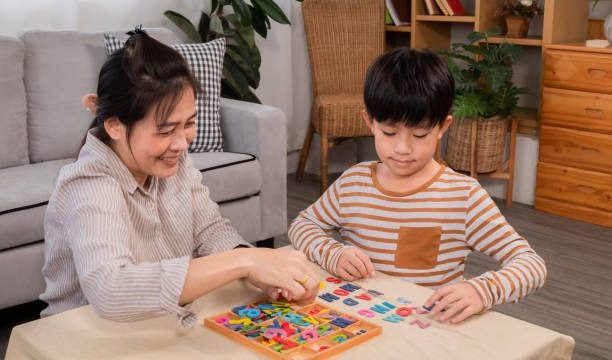
In a world that often prioritizes efficiency and productivity, the value of play can sometimes feel overshadowed.
Yet, play is not merely a leisure activity; it serves as a vital component in developing critical thinking skills.
As we navigate through life, the ability to think critically—analyzing situations, making informed decisions, and solving problems—becomes increasingly important. So, how can we incorporate play into our lives to foster these essential skills?
The beauty of play lies in its versatility. It can take many forms, from board games and puzzles to outdoor activities and imaginative role-playing. Each type of play offers unique opportunities to stretch our minds and expand our perspectives. When we engage in play, we often find ourselves in situations that require us to think on our feet, adapt to new challenges, and collaborate with others. These experiences can sharpen our analytical abilities and enhance our creativity.
A gentle shift toward exploration can be found in the simple act of playing games. Board games, for instance, are not only entertaining but also serve as a wonderful platform for critical thinking. Many games require players to strategize, weigh options, and anticipate their opponents’ moves. As we immerse ourselves in these scenarios, we learn to evaluate information and make decisions based on the data available to us. This process mirrors real-life situations where we must sift through information to arrive at thoughtful conclusions.
Moreover, puzzles can stimulate our minds in ways that are both challenging and rewarding. Whether it’s a jigsaw puzzle, a crossword, or a Sudoku, these activities encourage us to think logically and approach problems methodically. The sense of accomplishment that comes from solving a puzzle can also boost our confidence, reinforcing the idea that we are capable of overcoming obstacles.
The realm of outdoor play offers another rich avenue for developing critical thinking. Engaging in team sports or cooperative games encourages communication, teamwork, and strategic planning. When playing soccer or basketball, for example, players must constantly assess the dynamics of the game, make quick decisions, and adapt their strategies in response to their opponents. These experiences not only foster physical skills but also cultivate an agile mindset that is essential for critical thinking.
Imaginative play, particularly in children, plays a crucial role in nurturing creativity and problem-solving abilities. When children engage in role-playing or storytelling, they explore different perspectives and navigate various scenarios. This imaginative exercise allows them to consider multiple outcomes and develop empathy as they step into the shoes of others. Such experiences can lay the groundwork for strong critical thinking skills that will serve them well into adulthood.
As adults, we can also benefit from tapping into our playful sides. Participating in creative hobbies, such as painting, writing, or crafting, can stimulate our minds in unexpected ways. These activities encourage us to think divergently, exploring new ideas and solutions that may not have been apparent initially. Engaging in creative endeavors can lead to breakthroughs in our thinking, allowing us to approach problems with a fresh perspective.
Finding balance in our lives often involves rediscovering the joy of play. In a society that often emphasizes the seriousness of work and responsibilities, taking time to play can feel like a luxury. However, it is in these moments of leisure that our minds can wander freely, leading to greater clarity and insight. This balance can be achieved through small, intentional changes in our daily routines. Setting aside time each week for a game night with friends or indulging in a creative hobby can foster a sense of joy and curiosity.
Another gentle reminder is that play doesn’t have to be an elaborate affair. Sometimes, simple activities, like a walk in nature or a spontaneous game of catch, can ignite our sense of playfulness. These moments allow us to disconnect from our screens and immerse ourselves in the present, inviting opportunities for reflection and critical thought.
Incorporating play into our lives can also have profound effects on our relationships. When we play with others, we build connections and strengthen bonds. Shared experiences foster communication and collaboration, essential components of critical thinking. As we engage in playful interactions, we learn to navigate social dynamics, consider different viewpoints, and develop a deeper understanding of one another.
As we grow older, it’s easy to forget the importance of play. Yet, the lessons learned through playful experiences can be lifelong gifts. By embracing play as a means of developing critical thinking, we allow ourselves the freedom to explore, question, and innovate.
In conclusion, play is a powerful tool for enhancing our critical thinking skills. Through games, puzzles, outdoor activities, and creative pursuits, we can cultivate a mindset that embraces curiosity and adaptability. As we take small steps to incorporate more play into our lives, we not only enrich our own experiences but also inspire those around us to do the same. In a world that often feels rushed and serious, let us celebrate the joy of play and the profound impact it can have on our thinking and our lives. So, let’s put down our devices, gather our loved ones, and rediscover the magic of play—it might just be the key to unlocking our full potential.