Supporting Kids as They Learn New Things
Watching children learn and grow is one of life’s most rewarding experiences.
Each new skill they acquire, from tying their shoes to solving complex puzzles, is a testament to their curiosity and resilience.
As parents, caregivers, or educators, our role in this journey is crucial. We can create an environment that nurtures their exploration and encourages a love for learning. Here are some gentle ways to support kids as they embark on their educational adventures.
A warm and inviting atmosphere can make a world of difference. When children feel safe and comfortable, they are more likely to take risks and try new things. This doesn’t mean creating a perfect setting but rather one that is filled with encouragement and understanding. Simple gestures, such as a cozy reading nook or a designated art corner, can inspire creativity and exploration. It’s about making learning a natural part of their everyday life.
As kids encounter new concepts, they may experience frustration or confusion. These feelings are perfectly normal and can be a vital part of the learning process. Instead of jumping in to solve problems for them, consider guiding them gently. Ask open-ended questions that encourage them to think critically and come to their own conclusions. This kind of support helps build their confidence and problem-solving skills, allowing them to learn not just the material, but also how to approach challenges.
It’s also important to recognize that every child learns at their own pace. While some may grasp a concept quickly, others may need a bit more time and practice. Cultivating patience is key. Celebrate the small victories along the way, whether it’s mastering a new word or completing a challenging task. Positive reinforcement can be a powerful motivator. A simple acknowledgment of their efforts can boost their self-esteem and encourage them to keep trying.
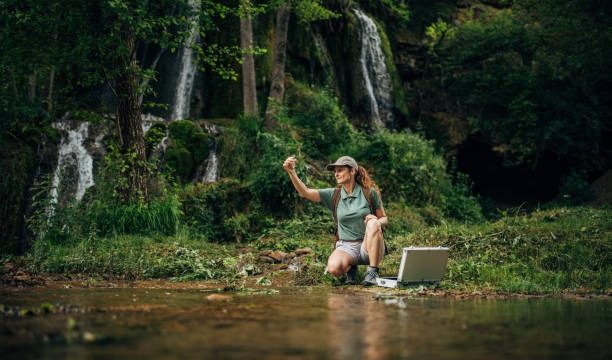
Creating opportunities for exploration is another essential aspect of supporting kids in their learning journey. This could mean visiting a local museum, going on nature walks, or even just engaging in a fun science experiment at home. These experiences not only make learning enjoyable but also help children connect theoretical knowledge with real-world applications. When kids see how their lessons relate to the world around them, it fosters a deeper understanding and appreciation for what they are learning.
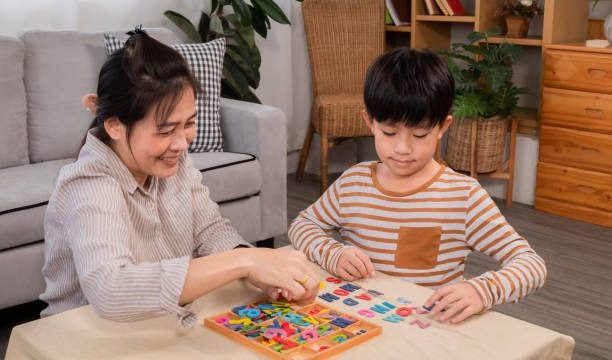
Incorporating play into learning can be particularly effective. Play is a natural way for children to engage with new ideas and develop skills. Whether through imaginative play, building with blocks, or playing educational games, children can explore concepts in a stress-free environment. This approach allows them to learn without the pressure of formal instruction, making the process feel more like fun than work.
Encouraging collaboration can also enrich the learning experience. When kids work together, they learn from one another and develop important social skills. Group activities, whether in a classroom or at home, can foster teamwork and communication. This not only enhances their understanding of the subject matter but also helps them build friendships and a sense of community.
As children grow, their interests will naturally evolve. Being open to these changes can be incredibly beneficial. If a child shows a keen interest in a particular subject, nurturing that passion can lead to deeper learning. Providing resources, such as books, documentaries, or workshops related to their interests, can help them delve deeper. This personalized approach makes learning feel more relevant and engaging.
It’s equally important to model a love for learning ourselves. Children often mimic the behaviors of adults, so demonstrating curiosity and enthusiasm for new knowledge can inspire them to adopt similar attitudes. Share your own learning experiences with them, whether it’s a new hobby you’re exploring or a book you’re reading. This not only shows them that learning is a lifelong journey but also creates shared experiences that can strengthen your bond.
Maintaining open lines of communication is vital as well. Encourage children to express their thoughts and feelings about what they are learning. Regular check-ins can provide insights into their experiences and challenges. This dialogue not only fosters trust but also allows you to tailor your support to their unique needs. Listening actively to their concerns can help them feel valued and understood.
In a world filled with distractions, encouraging mindfulness can also play a significant role in how children learn. Helping them develop focus and concentration can enhance their educational experiences. Simple practices, such as taking deep breaths before tackling a new task or setting aside time for quiet reflection, can help cultivate a peaceful mindset. This calm approach can enhance their ability to absorb information and engage meaningfully with their studies.
As children navigate the ups and downs of learning, it’s essential to remind them that making mistakes is a natural part of the process. Emphasizing that errors are opportunities for growth can help reduce anxiety around failure. When they understand that everyone makes mistakes, they may feel more comfortable taking risks and trying new things. This mindset encourages resilience, which is invaluable as they face challenges throughout their lives.
Ultimately, supporting kids as they learn is about creating a nurturing environment that fosters curiosity, patience, and resilience. By being present, encouraging exploration, and modeling a love for learning, we can help them navigate their educational journeys with confidence and joy. Each step they take in their learning is a step toward becoming the curious, capable individuals they are meant to be. In this shared journey, we can celebrate not just their achievements but also the beautiful process of discovery that unfolds along the way.