Supporting a Child’s Motivation With Routine
In the gentle ebb and flow of childhood, motivation can sometimes feel like a fleeting breeze—here one moment and gone the next.
As parents and caregivers, we often find ourselves wondering how to nurture that spark in our little ones.
One of the most effective ways to do this is through the establishment of a routine. A well-structured daily rhythm can provide the stability and predictability that children need to thrive, while also fostering their intrinsic motivation.
Creating a sense of security
Children are naturally curious and eager to explore the world around them. However, this exploration can feel overwhelming without a solid foundation. A routine establishes a framework that helps children understand what to expect from their day. When they know what comes next, they can focus more on engaging with their activities rather than feeling anxious about uncertainty. This predictability can lead to a greater sense of security, allowing their motivation to flourish.
The beauty of consistency lies in its ability to cultivate a comforting environment. When children are aware of their daily schedule—whether it’s time for homework, play, meals, or bedtime—they can manage their expectations and energy levels. This clarity helps them prioritize tasks without feeling overwhelmed, making room for their natural enthusiasm to shine.
Infusing joy into daily tasks
Routines don’t have to be rigid or dull. In fact, they can be a delightful opportunity to weave joy and creativity into everyday activities. By incorporating fun elements into your child’s routine, you can enhance their motivation and willingness to participate. Perhaps you can turn chores into a game or sing a silly song while brushing teeth. Engaging your child’s imagination can transform mundane tasks into enjoyable experiences, making them more likely to embrace their responsibilities.
As you create these joyful moments, remember to celebrate small achievements along the way. Acknowledging your child’s efforts—whether it’s completing homework or tidying up their room—can boost their confidence and encourage them to take pride in their accomplishments. This positive reinforcement nurtures a sense of ownership and motivation, helping them feel invested in their routine.
Finding balance in flexibility
While routines provide structure, it’s important to remain flexible. Children’s needs and interests can change from day to day, and being too rigid can lead to frustration for both parties. Allowing for some flexibility within the routine can help your child feel empowered and in control of their choices. For instance, if they express a desire to spend more time on a favorite activity, consider adjusting the schedule to accommodate their passion.
This balance between consistency and adaptability fosters resilience. Children learn to navigate changes and challenges, which can be invaluable as they grow older. Encouraging them to communicate their needs and preferences cultivates a sense of agency, further fueling their motivation to engage in their daily activities.
Incorporating downtime
In our fast-paced world, the importance of downtime cannot be overstated. Routines should include moments of rest and relaxation, allowing children to recharge and reflect. When children have time to unwind, they can process their experiences, leading to a deeper understanding of themselves and their interests.
Downtime can take many forms, whether it’s quiet reading time, creative play, or simply enjoying nature. These moments of stillness can inspire new ideas and passions, reigniting their motivation when they return to structured activities. Encouraging your child to explore their interests during these times can help them discover what truly excites them, fostering a love for learning that lasts a lifetime.
Engaging in shared activities
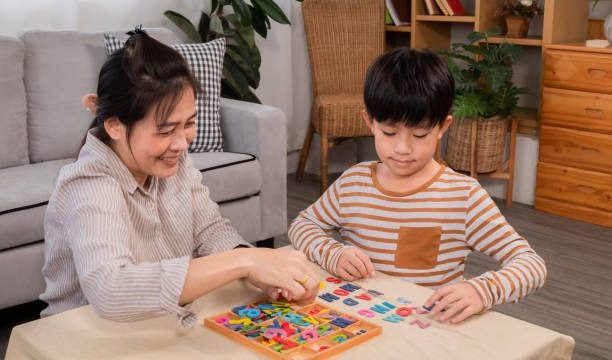
One of the most rewarding aspects of supporting a child’s motivation is the opportunity to engage in shared activities. Whether it’s cooking together, embarking on a nature walk, or tackling a creative project, these moments strengthen the bond between parent and child while also nurturing their enthusiasm. When children see their caregivers actively participating in their interests, they are more likely to feel motivated and supported.
These shared experiences provide a platform for open communication, allowing children to express their thoughts and feelings. By actively listening and engaging in their passions, you can help them cultivate their interests and build a sense of self-worth. This connection not only enhances their motivation but also deepens your relationship, creating a nurturing environment where they feel safe to explore and grow.
Encouraging goal-setting
As children become more aware of their abilities and interests, introducing the concept of goal-setting can be a powerful tool for motivation. Helping them set achievable goals—whether it’s completing a book, mastering a new skill, or finishing a project—encourages them to take ownership of their learning journey. Together, you can break down larger goals into manageable steps, making the process less daunting and more attainable.
This practice not only fosters motivation but also builds essential life skills such as planning, perseverance, and self-discipline. When children experience the satisfaction of reaching their goals, they are more likely to pursue new challenges with enthusiasm and confidence.
Celebrating the journey
Ultimately, supporting a child’s motivation through routine is about celebrating the journey, not just the destination. Encouraging a love for learning and exploration means embracing the ups and downs that come along the way. Remind your child that it’s okay to make mistakes and that every experience is an opportunity for growth.
As you navigate this beautiful journey together, focus on fostering a positive mindset. Encourage them to reflect on their experiences, acknowledge their feelings, and celebrate their progress, no matter how small. This approach nurtures resilience and a lifelong passion for learning, empowering them to pursue their dreams with motivation and joy.
In conclusion, supporting a child’s motivation through routine is a gentle dance of structure and flexibility. By creating a nurturing environment filled with joy, shared experiences, and opportunities for growth, you can help your child develop a strong sense of self and a love for learning that lasts a lifetime. Remember, it’s the small, consistent efforts that can make the most significant impact in their journey.