In a world that often prioritizes productivity and achievement, it’s easy to overlook the profound impact of play, especially in early childhood.
Yet, play is not merely a pastime; it’s a powerful tool for learning and personal development.
The notion that learning through play supports lifelong growth is becoming increasingly recognized, and for good reason. When we allow ourselves to engage in playful activities, we unlock a wealth of opportunities for growth that extend far beyond childhood.
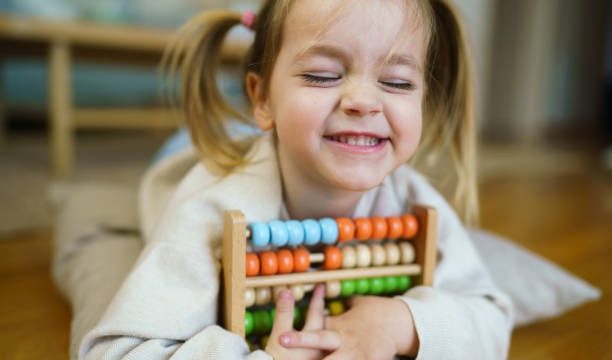
The essence of play lies in its ability to foster creativity and imagination. From the simple joy of building blocks to the intricate narratives spun in a game of pretend, play encourages children to explore their thoughts and feelings in a safe environment. This exploration is crucial, as it nurtures problem-solving skills and critical thinking. Children learn to navigate challenges, experiment with solutions, and even understand the concept of failure as they try again. These early lessons in resilience are invaluable, serving as a foundation for tackling obstacles throughout life.
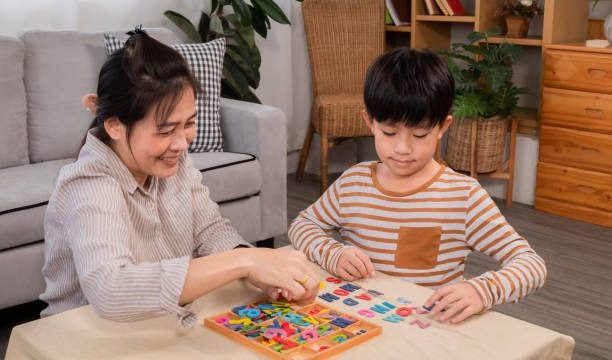
As children engage in play, they are not just having fun; they are developing social skills that will serve them well into adulthood. Interacting with peers during playtime teaches important lessons in cooperation, empathy, and communication. Children learn to share, negotiate, and respect differing viewpoints. These experiences create a sense of community and belonging, which is essential for emotional well-being. As adults, those who have embraced play in their youth often find it easier to connect with others, fostering relationships that enrich their lives.
Moreover, the physical aspect of play cannot be overlooked. Whether it’s running around outside, participating in sports, or engaging in creative movement, physical play promotes health and well-being. It encourages children to explore their bodies, develop motor skills, and discover their physical capabilities. This active engagement leads to a healthier lifestyle as they grow older. The habits formed during play can translate into a lifelong appreciation for physical activity, contributing to overall wellness.
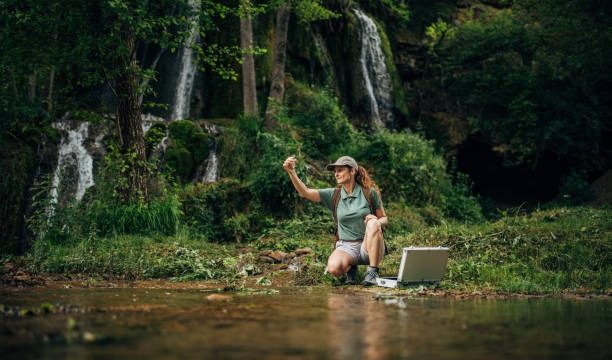
When we think about learning, we often picture structured environments like classrooms. However, the most profound learning often occurs outside these confines. Play allows for exploration and discovery at one’s own pace. Children can delve into their interests, whether it’s nature, art, or technology, without the pressure of grades or assessments. This self-directed learning instills a sense of curiosity that can last a lifetime. Adults who have experienced the joy of learning through play are more likely to seek out new experiences and knowledge, fueling personal and professional growth.
A small shift toward balance can be achieved by recognizing the importance of play in our adult lives as well. While responsibilities and commitments may increase, incorporating playful moments into our daily routines can enhance our overall well-being. Engaging in hobbies, exploring new activities, or simply allowing ourselves time to unwind with playful pursuits can rejuvenate our spirits. This balance between work and play fosters creativity and innovation, essential qualities in today’s fast-paced world.
The benefits of learning through play extend to emotional intelligence as well. Play provides a safe space for children to express their emotions, understand their feelings, and learn to cope with various situations. Through role-playing or storytelling, children can explore complex emotions like joy, sadness, and frustration. This emotional literacy is crucial as they navigate relationships and challenges later in life. Adults who have developed emotional intelligence through play often find themselves better equipped to handle stress, communicate effectively, and build strong connections with others.
As we delve into the idea of lifelong growth through play, it’s essential to recognize the role of creativity. Play nurtures creative thinking, allowing individuals to approach problems with an open mind and innovative spirit. In a world that increasingly values creativity, those who have engaged in playful learning are often more adaptable and resourceful. They can think outside the box, envision new possibilities, and contribute to their communities in meaningful ways.
Furthermore, the joy of play can serve as a powerful motivator. When individuals find enjoyment in what they do, they are more likely to pursue their passions with vigor and enthusiasm. This intrinsic motivation can lead to personal fulfillment and success in various aspects of life, whether it’s in a career, a hobby, or personal relationships. The connection between joy and achievement is a testament to the importance of play in our lives.
Encouraging a culture of playfulness within families and communities can have lasting benefits. By creating environments that prioritize play, we can foster creativity, collaboration, and emotional well-being in future generations. Parents and educators can embrace the concept of learning through play, recognizing that it’s not just a phase of childhood but a lifelong journey. When we support playful exploration, we cultivate a culture of curiosity and resilience that benefits everyone.
In conclusion, the significance of learning through play in supporting lifelong growth cannot be overstated. From enhancing cognitive and social skills to fostering emotional intelligence and creativity, the benefits are profound and far-reaching. As we navigate the complexities of life, let us remember the value of play, not just for children but for ourselves as well. By embracing playful moments, we can cultivate a richer, more fulfilling life experience that encourages growth, connection, and joy. So, whether it’s through a game, a creative project, or simply enjoying time with loved ones, let us make space for play in our lives. After all, it’s through play that we often find the most profound lessons and the deepest connections.