Encouraging Early Math Through Role Play
In a world that increasingly values creativity and critical thinking, the early years of a child’s life are crucial for developing a love for learning.
One of the most effective and enjoyable ways to cultivate this curiosity is through role play, particularly when it comes to subjects like math.
Rather than presenting numbers and equations as abstract concepts, role play can transform them into tangible experiences that are both engaging and educational.
The beauty of role play lies in its natural ability to mimic real-life situations. Children are naturally drawn to play, and by integrating math into their imaginative scenarios, we can help them grasp mathematical concepts in a way that feels authentic and relevant. Picture a child setting up a little shop to sell fruits and vegetables. As they create price tags and calculate costs, they are not just playing; they are practicing addition, subtraction, and even budgeting in a context that makes sense to them.
Creating a math-rich environment through role play can be as simple as incorporating everyday activities into playtime. Consider a family dinner where the little ones can help set the table. Asking them to count out plates, forks, and cups encourages them to engage with numbers in a practical way. This kind of playful interaction reinforces counting skills while also nurturing a sense of responsibility and teamwork.
A gentle introduction to math through role play can take many forms. One delightful idea is to set up a post office at home. Children can take on the roles of postal workers and customers, creating letters and packages. As they weigh their letters or figure out postage, they are unwittingly diving into concepts of measurement and basic arithmetic. This not only enhances their math skills but also sparks their imagination, allowing them to explore different roles and narratives.
Incorporating math into storytime can also enrich a child’s understanding without the pressure of traditional learning. Choose books that feature counting, shapes, or patterns and encourage your child to interact with the story. For instance, if a character is baking cookies, ask your child how many cookies they think will be needed if there are five friends coming over. This approach makes math a part of their daily life, seamlessly woven into the fabric of their experiences.
Another charming way to encourage early math skills is through cooking and baking. When children help measure ingredients, they are practicing fractions, volume, and even basic multiplication. The act of pouring, mixing, and counting pieces of fruit or chocolate chips can be both fun and educational. Plus, the reward of enjoying a delicious treat at the end makes the learning process even sweeter.
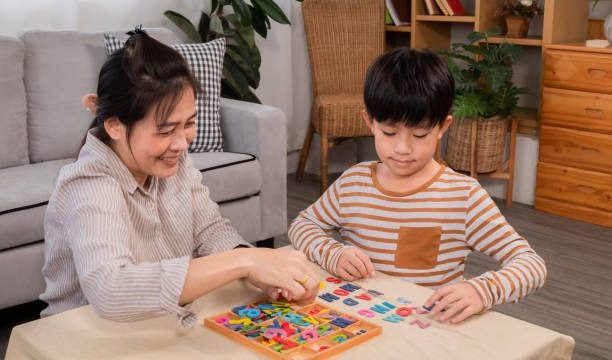
As children engage in role play, it is essential to provide them with the right tools to explore their mathematical thoughts. Simple items like measuring cups, blocks, or even play money can enhance their experience. These tangible objects allow children to visualize and manipulate numbers, fostering a deeper understanding of mathematical principles.
Creating a safe space for exploration is equally important. Encouragement and positive reinforcement go a long way in building a child’s confidence. When they solve a problem or grasp a new concept during play, celebrate their achievements, no matter how small. This affirmation not only boosts their self-esteem but also establishes a positive association with learning.
The impact of role play extends beyond just mathematics; it nurtures social skills, creativity, and critical thinking. As children engage with peers or family members in their imaginative scenarios, they learn to communicate, negotiate, and collaborate. These interactions are vital for their overall development and help them become well-rounded individuals.
It’s also worth noting that children learn at their own pace. While some may quickly grasp mathematical concepts, others may take a little longer. Role play allows for flexibility and adaptability, enabling children to explore math in a non-pressuring environment. This approach fosters a love for learning rather than creating anxiety around it, ensuring that children grow up with a positive attitude toward education.
As parents and caregivers, we have the unique opportunity to guide children through these formative years. By incorporating role play into their daily lives, we can help them develop essential skills in a joyful and engaging manner. Whether it’s through setting up a grocery store, pretending to be architects designing buildings, or even playing restaurant, the possibilities are endless.
As we encourage early math through role play, we are not just teaching numbers; we are igniting a passion for learning that can last a lifetime. The skills they acquire now will serve them well in the future, laying a strong foundation for their academic journey.
In conclusion, the journey of learning math can be filled with laughter and creativity if we embrace the power of role play. By turning abstract concepts into playful experiences, we allow children to explore and enjoy the world of numbers. So, gather some props, unleash your imagination, and watch as your little ones thrive in their mathematical adventures. After all, learning doesn’t have to be a chore; it can be a joyful exploration of the world around us.