Teaching Kids To Recognize Quantities Easily
In a world filled with numbers and measurements, understanding quantities is a fundamental skill that can open doors for children.
From counting the number of apples in a basket to measuring ingredients for a favorite recipe, recognizing quantities is essential not only in math but in daily life.
As parents and caregivers, we have the unique opportunity to guide our children in this journey, helping them develop a strong foundation in understanding quantities.
Creating a nurturing environment for learning can make all the difference. When children feel supported and encouraged, their natural curiosity flourishes. Start by introducing concepts of quantity in a playful and engaging manner. Children are often more receptive to learning when it feels like a game rather than a chore. Simple activities can be woven into daily routines, transforming mundane moments into opportunities for exploration.
A gentle introduction to the world of numbers can begin with everyday objects. Whether it’s during a trip to the grocery store or while setting the table at home, use these moments to highlight quantities. For instance, ask your child to help count out the number of plates needed for dinner or the number of oranges in a bag. This approach not only reinforces counting skills but also invites children to connect numbers to real-life contexts.
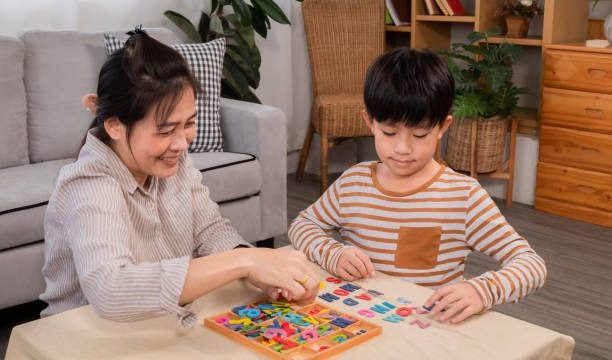
Incorporating play into learning can be both fun and effective. Games that involve counting, sorting, or grouping objects are excellent ways to teach children about quantities. Consider using building blocks, toy cars, or even nature finds like stones and leaves. Encourage your child to group these items by number, size, or color. This hands-on experience helps solidify their understanding of quantity while allowing their imagination to run wild.
A small shift toward balance can also be found in storytelling. Books that incorporate counting and quantities can be a delightful way to engage children. Look for stories that revolve around themes of numbers, such as counting animals or measuring ingredients for a magical potion. As you read together, pause to discuss the quantities mentioned in the story. This can lead to meaningful conversations about numbers and their significance in the world around us.
As children begin to grasp basic quantities, you can introduce them to simple measurement concepts. Cooking and baking provide a perfect backdrop for this kind of learning. Invite your child into the kitchen and let them help measure ingredients for a favorite recipe. This not only teaches them about quantities but also instills a sense of accomplishment when they see the delicious results of their efforts.
Encouraging exploration of quantities can also extend to nature. Whether it’s counting the number of petals on a flower or estimating the height of a tree, outdoor adventures can spark curiosity. Nature walks can be an excellent opportunity for children to practice estimating quantities. Ask them to guess how many leaves are on a tree or how many rocks they can find in a specific area. These experiences help children develop their observational skills while making connections between numbers and the environment.
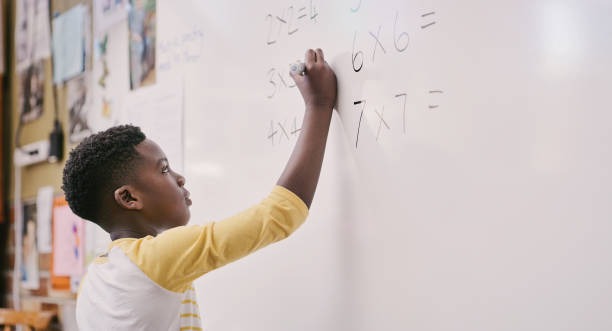
As children grow more confident in recognizing quantities, introducing basic math concepts can be a natural next step. Simple addition and subtraction problems can be woven into daily conversations. For example, if you have three apples and you eat one, ask your child how many are left. This not only reinforces their understanding of quantities but also encourages critical thinking.
Creating a positive atmosphere around numbers is crucial. It’s important to celebrate small victories and to be patient when challenges arise. Children may struggle at times, and that’s perfectly normal. Offering gentle encouragement and acknowledging their efforts can help foster a love for learning. Remind them that everyone learns at their own pace, and that’s what makes the journey unique.
In our increasingly digital world, technology can also play a supportive role in teaching children about quantities. There are numerous educational apps and games designed to make learning about numbers engaging and interactive. These tools can provide an additional layer of support, reinforcing concepts learned through hands-on activities. However, it’s essential to strike a balance between screen time and real-world experiences.
As you guide your child through the process of recognizing quantities, consider the value of collaboration. Involving siblings, friends, or even extended family members in learning activities can create a sense of community. Group games that require teamwork and communication can enhance their understanding of quantities while fostering social skills.
Ultimately, the goal is to help children see the beauty and utility of quantities in their everyday lives. By nurturing their curiosity and providing ample opportunities for exploration, you can help them build a strong foundation in this essential skill.
As they learn to recognize quantities with ease, they will carry this knowledge with them into their future endeavors. Whether it’s in academics, hobbies, or everyday tasks, a solid understanding of quantities will serve them well.
In this journey of discovery, remember to cherish the moments of joy and laughter. Learning is a beautiful process, filled with opportunities for connection and growth. By embracing the adventure of teaching kids to recognize quantities, you’re not just imparting knowledge; you’re also creating cherished memories that will last a lifetime. Together, you and your child can navigate the world of numbers, unlocking the countless possibilities that lie ahead.