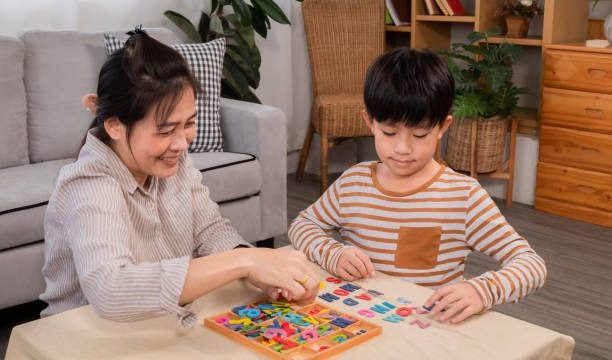
Teaching letter-sound connections is a fundamental aspect of early literacy that can greatly influence a child’s reading journey.
Imagine the joy on a young learner’s face when they realize that the letters they see on the page are not just shapes, but powerful symbols that unlock a world of stories and knowledge.
This magical moment begins with a clear understanding of how letters correspond to sounds.
Creating a nurturing environment for learning is key to helping children make these vital connections. Begin by fostering a sense of curiosity about language. Children are naturally inquisitive, and tapping into that curiosity can make the learning process feel less like a chore and more like an exciting adventure. Surround them with books, engage them in conversations about what they see in their everyday lives, and encourage them to ask questions. This gentle approach lays the groundwork for deeper exploration of letter-sound relationships.
A playful introduction to letter sounds can further enhance a child’s understanding. Incorporating games into your teaching strategy can transform the learning experience from a structured lesson into a delightful activity. Activities such as rhyming games or sound-matching exercises can capture a child’s attention while simultaneously reinforcing their comprehension of sounds. For instance, you might choose objects around the house that begin with the same letter sound and encourage your child to identify them. This simple yet effective method allows children to connect sounds with tangible items, making the learning process both fun and memorable.
As you guide children through their letter-sound journey, consider the importance of repetition. The brain thrives on familiarity, and revisiting sounds and letters can solidify their understanding. However, it’s essential to balance repetition with variety. Engage your child in different activities that reinforce the same sounds. For instance, you could read a book that features a particular letter sound, sing songs that emphasize those sounds, or create art projects that incorporate letters. This multifaceted approach not only helps in reinforcing knowledge but also keeps the learning process fresh and engaging.
Creating a print-rich environment at home is another effective strategy. Surrounding children with letters in various forms—books, labels, signs, and even art—can help reinforce their understanding of letter-sound connections. When children see letters in their everyday lives, they start to recognize that letters are not just confined to the pages of a book but are a part of the world around them. Encourage them to read signs on their way to the park or to identify letters in their favorite picture books. This immersion in print not only enhances their recognition of letters but also fosters a love for reading.
Incorporating technology can also be a wonderful way to teach letter-sound connections. There are numerous educational apps and websites designed to make learning engaging and interactive. These tools often use games and animations to help children understand sounds in a fun way. However, it’s important to balance screen time with traditional learning methods. An effective approach is to use technology as a supplement rather than a replacement for hands-on activities. This way, children can benefit from the advantages of both worlds.
Another gentle yet effective method is to connect emotions with sounds. Children are more likely to remember sounds when they are linked to feelings or experiences. For example, you might create a story where a character goes on an adventure that emphasizes a particular sound. As you narrate the story, use expressive voices and gestures to bring it to life. This not only makes the learning process enjoyable but also helps children form emotional connections with the sounds they are learning.
As children become more familiar with letter sounds, it’s important to celebrate their progress. Every small achievement should be acknowledged, as this builds their confidence and motivation to continue learning. Whether they successfully identify a sound or attempt to read a word for the first time, these moments are milestones in their literacy journey. Create a supportive atmosphere where mistakes are viewed as opportunities for growth rather than setbacks. This nurturing environment encourages children to explore and experiment with language without fear.
Encouraging storytelling can also enhance children’s understanding of letter-sound connections. Invite them to tell their own stories, whether through drawings, oral storytelling, or even writing simple sentences. This creative outlet allows them to practice the sounds they’ve learned in a meaningful context. As they express their thoughts and ideas, they become more invested in the letters and sounds that form the foundation of their stories.
As you embark on this journey with your child, remember to be patient. Learning letter-sound connections is a process that takes time and practice. Every child learns at their own pace, and it’s essential to celebrate the unique journey each child takes. By providing a supportive and engaging learning environment, you can help them develop a strong foundation in literacy that will serve them well in the future.
In conclusion, teaching letter-sound connections can be a delightful experience filled with exploration, creativity, and joy. By fostering curiosity, incorporating play, and creating a rich learning environment, you can help children unlock the doors to reading and writing. Embrace the journey together, and watch as your child blossoms into a confident reader, ready to take on the world of words. The connections they make today will undoubtedly pave the way for a lifetime of learning and discovery.