In the gentle journey of childhood learning, phonics serves as a foundational stone upon which language skills are built.
For many children, mastering phonics can be both an adventure and a challenge.
As parents and educators, finding engaging ways to teach these essential skills is key. Creative phonics worksheets can transform the learning process into a delightful experience that kids truly enjoy.
Incorporating play into learning can foster a sense of joy and curiosity. Worksheets that invite children to explore letters and sounds through games and interactive activities can ignite their enthusiasm. Think of worksheets that feature colorful illustrations, engaging characters, and fun themes. When kids can connect with the material on a personal level, they are more likely to embrace the learning process.
One effective approach is to weave storytelling into phonics worksheets. Children love stories, and when phonics lessons are presented within a narrative, it can make the experience more meaningful. Imagine a worksheet where children help a friendly character, like a brave little fox or a curious cat, find their way through a magical forest by identifying words that start with specific sounds. This not only reinforces their phonetic understanding but also fuels their imagination.
Another delightful way to enhance phonics learning is through art. Worksheets that encourage kids to draw or color can make the process feel more like play. For instance, a worksheet could prompt children to create a picture of an animal that starts with the letter “A” and then write a simple sentence about it. This not only helps them practice their phonics but also allows them to express their creativity. The combination of art and language can lead to a deeper understanding of sounds and letters while keeping the experience lighthearted and enjoyable.
Sensory activities can also play a crucial role in phonics education. Worksheets that incorporate tactile elements—such as tracing letters with their fingers, using sand or play dough—can help reinforce learning. Children often learn best when they can engage multiple senses, so a worksheet that encourages them to shape letters out of play dough or to trace them with their fingers can make the learning process more dynamic. This hands-on approach can be both calming and stimulating, creating a balanced learning environment.
Exploration through nature can be another wonderful avenue for phonics learning. Worksheets that encourage children to go outside and find objects that start with a particular sound can create a sense of adventure. For example, a worksheet might ask them to collect items like leaves, stones, or flowers that begin with specific letters. This not only reinforces their phonics skills but also fosters a connection to the world around them. Nature becomes a classroom, and children learn that language is everywhere.
Incorporating music and rhythm into phonics worksheets can also be a delightful strategy. Children naturally respond to melodies and rhythms, making it easier for them to remember sounds and letters. A worksheet that includes simple songs or rhymes related to phonics can transform the learning experience into a joyful sing-along. When children sing and move, they often feel more engaged and motivated to learn. Music can create a joyful atmosphere where phonics practice feels like a fun activity rather than a chore.
As technology continues to evolve, digital worksheets can also offer a fresh twist on traditional phonics learning. Interactive online worksheets that allow children to drag and drop letters or sounds can provide instant feedback, making the learning process more engaging. Many educational apps incorporate games and challenges that reinforce phonics skills while keeping children entertained. The key is to strike a balance between screen time and hands-on activities, ensuring that kids remain connected to both digital and physical learning experiences.
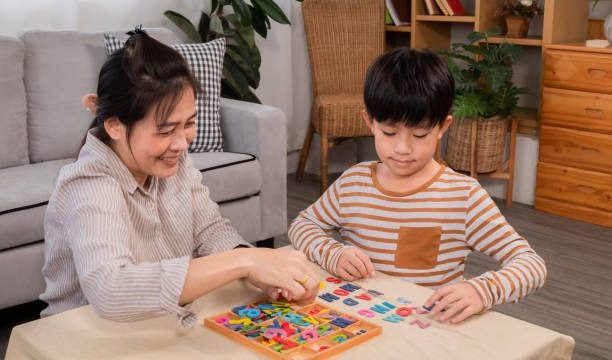
Creating a cozy learning environment at home can also enhance the effectiveness of phonics worksheets. Setting up a dedicated space with comfortable seating, good lighting, and all necessary materials can help children focus better. A warm, inviting atmosphere can make learning feel like a special time, encouraging them to dive into their worksheets with enthusiasm. Additionally, sharing this time with a parent or caregiver can foster a sense of connection and support, making the experience even more enjoyable.
As we explore the world of phonics through creative worksheets, it’s essential to remember that every child is unique. What excites one child may not resonate with another. Being attentive to their interests and preferences can help in selecting the right activities. The goal is to cultivate a love for learning that lasts a lifetime, allowing each child to thrive at their own pace.
In the end, creative phonics worksheets are about more than just teaching sounds and letters. They are a gateway to exploration, imagination, and connection. By infusing joy into the learning process, we can help children build a solid foundation in literacy while nurturing their natural curiosity. As we guide them on this journey, we are not just teaching them to read and write; we are fostering a lifelong love of learning.
With a little creativity and a lot of heart, phonics can become an enjoyable adventure for children, one that they will cherish as they grow. So, let’s embrace the magic of learning together, crafting experiences that inspire and empower our little ones on their educational path.