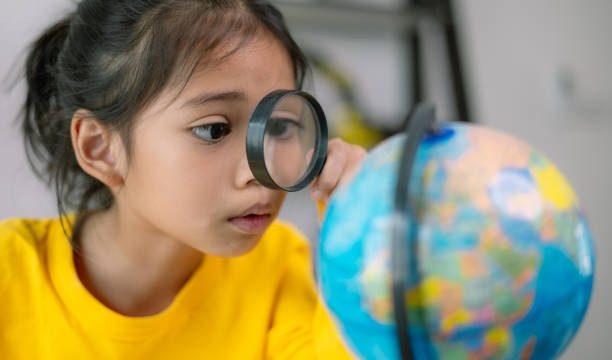
In the heart of our modern world, where technology often takes center stage, a gentle revolution is quietly unfolding within the walls of classrooms everywhere.
Educators and students alike are beginning to recognize the profound connection between ecology and agriculture, weaving these vital subjects into the fabric of learning.
This shift not only enriches students’ educational experiences but also fosters a deeper understanding of the intricate web that sustains life on our planet.
As we navigate through this era of rapid change, the importance of ecological awareness has never been clearer. Climate change, biodiversity loss, and food security are pressing issues that demand our attention. By integrating the principles of ecology and agriculture into educational curricula, we cultivate a generation that is not only knowledgeable but also passionate about making a difference.
A small shift toward balance can make a significant impact. Educators are embracing hands-on learning experiences that connect students with the natural world. School gardens, for example, have emerged as vibrant outdoor classrooms, offering students the chance to engage with the lifecycle of plants, understand the importance of soil health, and appreciate the role of pollinators. These gardens become living laboratories where students can observe the delicate balance of ecosystems, fostering a sense of stewardship and responsibility toward the environment.
The beauty of this educational approach lies in its ability to transcend traditional classroom boundaries. Field trips to local farms or nature reserves provide students with real-world experiences that deepen their understanding of ecological principles. By witnessing firsthand how sustainable farming practices can benefit both the environment and local communities, students are inspired to think critically about the food systems that sustain them. This experiential learning nurtures a sense of place and purpose, encouraging students to form connections with their surroundings.
Incorporating technology into this blend of ecology and agriculture further enhances the learning experience. Digital tools allow students to explore data related to climate patterns, soil composition, and biodiversity in ways that are engaging and interactive. Virtual simulations can illustrate the effects of various agricultural practices on the environment, enabling students to experiment with different scenarios and observe the outcomes. This fusion of technology and nature creates a dynamic learning environment that resonates with the digital natives of today.
The role of educators in this transformation cannot be overstated. Teachers are becoming facilitators of inquiry, guiding students to ask questions and seek answers about the environment and food systems. By encouraging curiosity and critical thinking, educators empower students to become advocates for change. Discussions around topics such as sustainable agriculture, food waste, and conservation practices spark meaningful conversations that extend beyond the classroom, fostering a culture of awareness and activism.
Moreover, connecting ecology and agriculture in education promotes a holistic understanding of health and wellness. As students learn about the importance of biodiversity and sustainable practices, they also begin to appreciate the nutritional value of the food they consume. This awareness can lead to healthier eating habits, as students become more inclined to choose fresh, locally sourced produce over processed alternatives.
The impact of this educational approach extends beyond individual students; it has the potential to transform entire communities. As young people become more informed about ecological issues, they carry this knowledge into their homes and neighborhoods. Families may find themselves engaging in conversations about gardening, composting, or supporting local farmers. This ripple effect fosters a sense of community resilience and encourages collective action toward sustainability.
It’s important to recognize that integrating ecology and agriculture into classrooms is not without its challenges. Educators may face constraints such as limited resources, time, and curriculum rigidity. However, the growing movement toward project-based learning and interdisciplinary approaches offers a pathway to overcome these obstacles. Schools can collaborate with local organizations, farmers, and environmental groups to create meaningful partnerships that enrich the educational experience.
As we look to the future, the vision of classrooms that celebrate the interconnectedness of ecology and agriculture feels more attainable than ever. Imagine a world where students graduate not only with academic knowledge but also with a profound understanding of their role as stewards of the Earth. This vision is not merely aspirational; it is within reach if we collectively commit to nurturing the next generation of environmental leaders.
In this journey, every small step counts. Whether it is planting a seed in a school garden, participating in a community cleanup, or advocating for sustainable practices, each action contributes to a larger movement toward ecological balance. With every student who learns about the delicate interplay between nature and agriculture, we are one step closer to a future where harmony with the Earth is prioritized.
In conclusion, connecting ecology and agriculture in modern classrooms represents a beautiful opportunity to cultivate awareness, responsibility, and passion for the environment. As educators, students, and communities come together to embrace this approach, we pave the way for a more sustainable and compassionate world. By nurturing a sense of curiosity and connection with the natural world, we can inspire the leaders of tomorrow to engage with the pressing challenges of our time. The seeds we plant today will flourish into a brighter, healthier future for all of us.