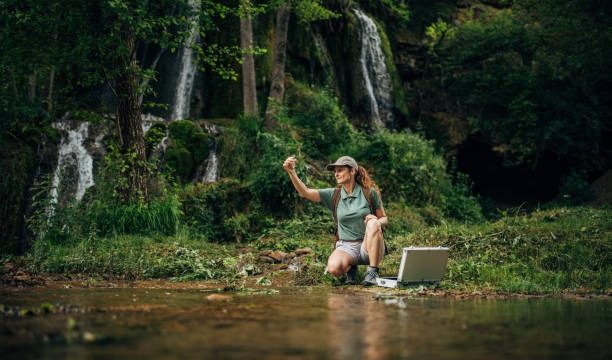
Exploring Geographic Patterns Across Regions
In a world as diverse as ours, geographic patterns weave a fascinating tapestry of cultures, climates, and lifestyles.
Each region tells a story, shaped by its landscape and the people who inhabit it.
As we embark on this journey through various areas, we gain a deeper appreciation for the intricate connections between geography and the human experience.
The beauty of exploring geographic patterns lies in the way they influence our daily lives, even in the most subtle ways. From the rolling hills of the countryside to the bustling streets of urban centers, every location offers unique insights into how place shapes identity. Understanding these patterns can enhance our sense of belonging and inspire us to appreciate the rich diversity of our world.
A gentle shift toward connection
Consider the way geography impacts community life. In rural settings, the vastness of open land often fosters a strong sense of connection among residents. Neighbors may gather for community events, share resources, and form bonds that can last a lifetime. The slower pace of life allows for deeper conversations and meaningful relationships, nurtured by the shared experiences of tending to land and livestock.
In contrast, urban areas bustle with energy and excitement. The close proximity of people from various backgrounds creates a melting pot of cultures, languages, and traditions. Here, the geographic pattern is not only defined by physical space but also by the vibrant interactions that occur daily. People may find a sense of belonging in local cafes, art galleries, or community centers, where they can engage with others and share their unique stories.
Through these dynamics, we see how geography shapes not just our surroundings but also our social fabric. The interplay between land and community invites us to reflect on our own experiences and the ways in which we connect with others.
The rhythms of nature
Nature, too, plays a pivotal role in shaping geographic patterns. The climate of a region influences the flora and fauna, which in turn affects the lifestyle of its inhabitants. For instance, coastal communities often embrace a rhythm dictated by the tides. Fishing, boating, and beach activities become integral parts of life, creating a bond between people and the sea.
In contrast, mountainous regions might foster a different set of practices. Here, outdoor activities like hiking, skiing, and rock climbing become popular, as residents and visitors alike seek to explore the majestic landscapes. The physical challenges posed by the terrain often lead to a strong sense of camaraderie among those who share these adventures.
As we navigate through these diverse environments, we begin to appreciate how geography influences not only the physical landscape but also the ways people engage with nature. This connection can inspire us to cultivate a deeper appreciation for the natural world around us, encouraging us to seek balance in our lives.
Cultural expressions shaped by place
Geographic patterns also manifest in the rich tapestry of cultural expressions found across regions. Each area boasts its own traditions, arts, and culinary delights, all of which are shaped by the local environment. For example, in Mediterranean regions, the abundance of fresh produce leads to a cuisine rich in flavors and colors. Meals are often enjoyed outdoors, fostering a sense of community and connection to the land.
In contrast, colder climates may inspire a different approach to food and gatherings. Hearty stews, warm breads, and cozy indoor settings become central to social life. The seasonal changes influence not just what is eaten, but how people come together to celebrate, share stories, and build relationships.
As we explore these cultural patterns, we’re reminded of the beauty in diversity. Each region offers a unique lens through which to view the world, inviting us to embrace new experiences and perspectives. This exploration can enrich our own lives, encouraging us to try new foods, learn different traditions, and connect with people from all walks of life.
The journey of self-discovery
As we delve deeper into the geographic patterns that shape our world, we may find ourselves on a path of self-discovery. Our surroundings can have a profound impact on our sense of identity, influencing our values, beliefs, and aspirations. For example, someone raised in a tight-knit rural community may carry with them a strong sense of loyalty and responsibility, while a person from a vibrant urban environment might prioritize innovation and collaboration.
Recognizing these influences can empower us to embrace our own unique story while also appreciating the stories of others. As we connect with different regions and their inhabitants, we can cultivate empathy and understanding, fostering a more inclusive world.
A final thought on interconnectedness
Ultimately, exploring geographic patterns across regions opens the door to a deeper understanding of our shared humanity. The interplay between landscape, community, culture, and personal identity reveals the intricate connections that bind us all. As we journey through different environments, we are reminded that, despite our differences, we share a common thread—a desire for connection, understanding, and belonging.
So, whether you find yourself wandering through the serene countryside or exploring the vibrant streets of a city, take a moment to pause and observe. Embrace the beauty of the world around you and the stories that emerge from it. In doing so, you may discover not only the richness of the places you visit but also a greater appreciation for your own journey and the paths that have shaped your life.
As we continue to explore the diverse geographic patterns that define our world, let us carry with us the warmth of connection and the joy of discovery. Each region has something to teach us, inviting us to celebrate the unique experiences that make life so wonderfully intricate.