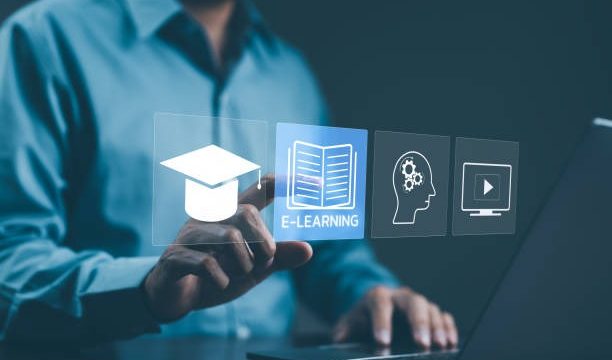
In recent years, the landscape of education has undergone a profound transformation, driven largely by the rapid advancement of digital technologies.
This shift has not only changed the way we access information but has also redefined the very essence of learning itself.
Embracing this digital transformation offers exciting opportunities for students, teachers, and institutions alike, creating an environment that fosters creativity, collaboration, and critical thinking.
The journey into digital education often begins with the simple idea of accessibility. With just a few clicks, students can access a wealth of resources that were once confined to library shelves. Online courses, educational videos, and interactive simulations are now readily available, breaking down geographical barriers and democratizing education. This newfound accessibility ensures that learning is no longer limited to the classroom; rather, it extends into homes, libraries, and even coffee shops. Imagine a student in a remote area being able to learn from world-renowned experts or participate in discussions with peers from around the globe. The possibilities are endless, and the impact is profound.
As we explore this digital landscape, it’s essential to recognize the role of technology in enhancing engagement. Traditional teaching methods often relied heavily on lectures and rote memorization, which could sometimes lead to disengagement. However, digital tools have introduced a more dynamic approach to learning. Interactive platforms encourage participation, allowing students to collaborate on projects, share ideas, and receive instant feedback. This interaction not only makes learning more enjoyable but also cultivates essential skills such as teamwork and communication, which are invaluable in today’s interconnected world.
Incorporating technology into education also allows for personalized learning experiences. Each student has a unique learning style and pace, and digital resources can be tailored to meet individual needs. Adaptive learning technologies analyze a student’s progress and adjust the content accordingly, ensuring they receive the support necessary to thrive. This personalized approach empowers learners to take ownership of their education, fostering a sense of agency and motivation that can lead to greater academic success.
The shift toward digital education is not just about technology; it also represents a change in mindset. Educators are now encouraged to embrace innovative teaching methods that prioritize critical thinking and problem-solving. Instead of simply imparting knowledge, teachers are becoming facilitators of learning, guiding students to explore topics deeply and think independently. This evolution in teaching philosophy nurtures a generation of learners who are not only knowledgeable but also adaptable and ready to tackle the challenges of the future.
A small shift toward balance is essential in this digital age. While the benefits of technology in education are clear, it’s important to maintain a healthy relationship with digital tools. Screen time can be overwhelming, and educators and parents alike must encourage breaks and offline activities. Balancing digital learning with traditional methods can provide a holistic educational experience, allowing students to develop not just academically but also socially and emotionally. Engaging in face-to-face interactions, participating in physical activities, and nurturing hobbies outside of the digital realm are all vital for well-rounded development.
As we reflect on the impact of digital transformation in education, we must also consider the importance of digital literacy. In a world where information is abundant, teaching students how to discern credible sources from misinformation is crucial. Digital literacy goes beyond just knowing how to navigate the internet; it encompasses critical thinking, ethical considerations, and responsible online behavior. By equipping students with these skills, we can prepare them to be informed citizens who can navigate the complexities of the digital world with confidence and integrity.
The role of educators in this transformation cannot be overstated. Teachers are not just transmitters of knowledge; they are mentors, guides, and advocates for their students. Professional development opportunities focused on integrating technology into the classroom can empower educators to feel comfortable and confident in using digital tools. Supportive communities of teachers sharing best practices can foster innovation and creativity, ultimately benefiting the students they serve.
Engaging parents in this digital journey is equally important. Open communication about the tools and resources being used in the classroom can help parents understand and support their children’s learning experiences. Workshops and informational sessions can provide parents with insights into how they can reinforce digital literacy at home, ensuring a cohesive approach to education that extends beyond school walls.
As we continue to embrace the possibilities of digital transformation in education, we must remain mindful of the ethical implications. Issues of privacy, equity, and access to technology must be addressed to ensure that all students can benefit from these advancements. Advocating for policies that promote equitable access to digital resources is essential for creating an inclusive educational environment where every student has the opportunity to thrive.
In conclusion, the digital transformation in education is an exciting journey filled with potential. By embracing these changes, we can create an enriching learning environment that nurtures creativity, collaboration, and critical thinking. As we navigate this evolving landscape, let us remember the importance of balance, digital literacy, and community support. Together, we can build a brighter future for learners everywhere, one that is not just about technology, but about fostering a love for learning that lasts a lifetime.