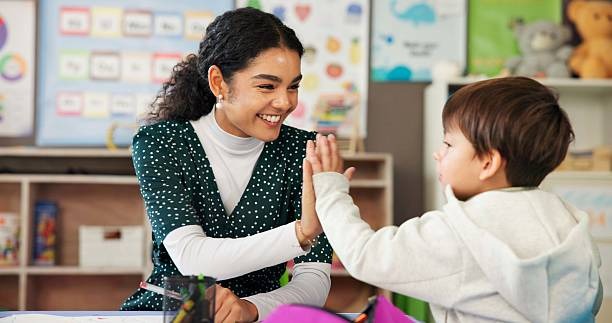
A warm start to education in early childhood
As the sun rises on a new day, so too does the opportunity for growth and learning in the lives of our youngest explorers.
Early childhood education is a vibrant world, filled with wonder and discovery, where children begin to form their understanding of the world around them.
By fostering a nurturing environment in these formative years, we can lay the groundwork for a lifetime of learning.
Creating a nurturing environment
At the heart of early childhood education is the idea of creating a warm and welcoming space for children. It’s essential that this environment feels safe and inclusive, allowing little ones to express themselves freely. When children feel secure, they are more likely to engage with their surroundings and take those first brave steps into the world of education.
Imagine a classroom adorned with bright colors, soft textures, and engaging materials that invite curiosity. From bookshelves brimming with stories to art supplies waiting to inspire creativity, every corner of the room should spark joy and wonder. Teachers play a pivotal role in this environment, acting as guides who encourage exploration and discovery while providing gentle support along the way.
The magic of play
Play is often regarded as the language of children, and it is through play that they learn some of their most valuable lessons. In early childhood education, play-based learning is a cornerstone. It allows children to explore concepts of math, science, and literacy in a natural and engaging manner.
When children engage in imaginative play, they develop problem-solving skills and social abilities. Whether they are building castles with blocks or pretending to be chefs in a play kitchen, they are learning to collaborate, negotiate, and express their ideas. This form of learning is not only effective but also incredibly enjoyable, making it easier for children to absorb new information.
Fostering social connections
As children embark on their educational journey, they begin to develop relationships with their peers. These early friendships are crucial, as they teach children about empathy, cooperation, and communication. In a classroom setting, children learn to navigate the complexities of social interactions, from sharing toys to resolving conflicts.
Encouraging group activities helps children to bond and understand the importance of teamwork. Simple tasks, such as working together to complete a puzzle or participating in a group art project, can foster a sense of belonging and community. When children feel connected to their peers, they are more likely to thrive in their educational pursuits.
The role of families
The partnership between families and educators is vital in early childhood education. When parents and caregivers are actively involved in their child’s learning, it creates a strong support system that enhances their educational experience. Regular communication between home and school helps to ensure that children’s needs are being met and allows for a consistent approach to learning.
Family engagement can take many forms, from attending school events to participating in home learning activities. Simple practices, such as reading together or exploring nature, can greatly enrich a child’s educational journey. When families and educators work together, children benefit from a holistic approach to learning that nurtures their emotional, social, and cognitive development.
Cultivating a love for learning
One of the most beautiful gifts we can give to children is a love for learning. Early childhood education is the perfect time to ignite this passion, as children are naturally curious and eager to explore. By introducing a variety of subjects and experiences, we can help children discover their interests and talents.
Storytime can be a magical experience that not only enhances literacy skills but also opens the door to new worlds and ideas. Science experiments, nature walks, and art projects all provide opportunities for exploration and discovery. When children are encouraged to ask questions and seek answers, they develop a lifelong love for learning that will serve them well in their future educational endeavors.
A small shift toward balance
As we navigate the world of early childhood education, it’s essential to recognize the importance of balance. While academic readiness is important, emotional and social development is equally vital. A well-rounded approach to education ensures that children not only acquire knowledge but also develop resilience, empathy, and self-awareness.
Incorporating mindfulness practices into the daily routine can help children learn to manage their emotions and build a sense of inner calm. Simple activities, such as breathing exercises or quiet reflection time, can provide children with tools to navigate their feelings and foster a sense of balance in their lives.
Embracing diversity
In our increasingly interconnected world, embracing diversity in early childhood education is essential. Children come from various backgrounds, cultures, and experiences, and celebrating this diversity enriches the learning environment. By incorporating diverse perspectives and stories into the curriculum, we can help children develop an appreciation for differences and foster inclusivity from a young age.
Educators can encourage children to share their own experiences and traditions, creating a rich tapestry of learning that reflects the beauty of our diverse society. When children see themselves represented in their learning, they feel valued and understood, which enhances their overall educational experience.
Looking ahead
As we reflect on the importance of a warm start to education in early childhood, it becomes clear that these early years are foundational for a child’s future. By creating supportive environments, fostering play, encouraging social connections, and involving families, we can set the stage for a lifelong love of learning.
As parents, educators, and caregivers, we have the privilege of guiding our youngest learners on their journey. By nurturing their curiosity and supporting their growth, we can help them become confident, compassionate individuals ready to take on the world. In this way, we not only invest in their future but also in the future of our communities and society as a whole. A warm start to education truly has the power to change lives.