Early Education and Strong Communication Skills
In a world that is becoming increasingly interconnected, the importance of strong communication skills cannot be overstated.
From the moment children enter the world, they begin a journey of learning that shapes not only their minds but also their ability to express themselves.
Early education serves as the foundation upon which these essential skills are built, creating a pathway for children to navigate their relationships, both personally and professionally, in the years to come.
The journey of communication begins long before children learn to speak. Infants instinctively use facial expressions, gestures, and sounds to communicate their needs and emotions. This early form of interaction is a crucial step in developing the skills necessary for effective communication later in life. By fostering an environment rich in conversation and emotional expression, caregivers can nurture these budding communicators.
Creating a nurturing environment for communication starts with simple conversations. Engaging with children in a warm and responsive manner encourages them to express themselves freely. Whether it’s talking about the day’s events, sharing stories, or asking open-ended questions, these interactions lay the groundwork for children to understand the nuances of language and expression. When children feel heard, they are more likely to develop confidence in their communication abilities.
A gentle shift toward balance can be found in the way we introduce literacy and language skills to young learners. Reading together is a delightful and effective way to enhance vocabulary and comprehension. Picture books and storytelling not only captivate children’s imaginations but also expose them to different sentence structures and word choices. When parents and educators take the time to read aloud, they model the rhythm and flow of language, making it easier for children to grasp complex concepts as they grow.
In addition to reading, involving children in everyday conversations can significantly enhance their communication skills. Simple activities, such as cooking together or discussing plans for the day, provide natural opportunities for dialogue. These moments teach children how to articulate their thoughts and feelings while also learning the art of listening. When they engage in conversations, they discover the importance of taking turns and respecting others’ viewpoints, skills that will serve them well throughout their lives.
The role of play in early education cannot be underestimated. Through imaginative play, children experiment with language in a fun and engaging way. Pretend play allows them to step into different roles, encouraging them to use new vocabulary and practice various forms of communication. Whether they are playing house, pretending to be superheroes, or creating their own adventure stories, play gives children the freedom to explore language in a relaxed setting.
In a world dominated by screens and technology, it’s essential to strike a balance between digital communication and face-to-face interactions. While technology can offer educational opportunities, nothing can replace the value of personal connection. Encouraging children to engage in conversations with peers and family members fosters social skills that are vital for their development. Regular family meals, game nights, or simply spending time together without distractions can strengthen these bonds and cultivate strong communicators.
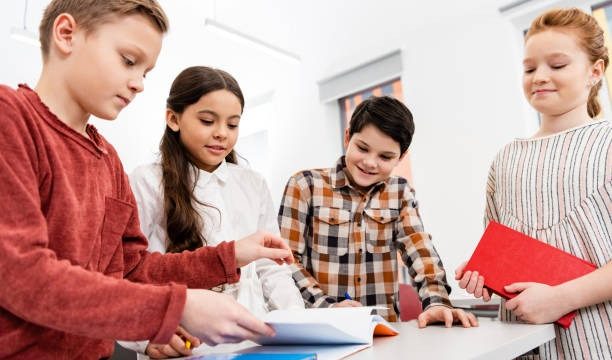
As children progress through their early education, the importance of group activities becomes apparent. Participating in group discussions, team projects, or even simple classroom activities promotes collaboration and helps children learn how to express their thoughts in a group setting. These experiences teach them to appreciate diverse perspectives and to communicate their ideas clearly and respectfully.
Encouraging children to express themselves artistically is another wonderful way to enhance communication skills. Whether through drawing, painting, or crafting, creative expression allows them to convey their feelings and ideas without the constraints of language. Art provides an alternative medium through which they can explore their emotions, leading to a deeper understanding of themselves and their ability to communicate those feelings to others.
The influence of teachers and caregivers in this developmental stage is profound. Educators who prioritize communication in their teaching methods are instrumental in shaping confident communicators. By creating a supportive atmosphere where children feel safe to express themselves, teachers can inspire a love for learning and communication that lasts a lifetime. Regular feedback and encouragement help children refine their skills, instilling a sense of accomplishment and motivation to continue developing their abilities.
As children grow older, the foundational skills acquired during their early education become increasingly important. Effective communication is key to building relationships, succeeding in academic settings, and eventually navigating the professional world. By emphasizing the significance of communication from an early age, we equip children with the tools they need to express themselves clearly and confidently.
In our fast-paced world, the ability to communicate effectively is a vital life skill. Early education plays an essential role in nurturing these skills, providing children with a strong foundation that will support them throughout their lives. By fostering an environment rich in conversation, play, and creative expression, we can help children develop the confidence and ability to articulate their thoughts and feelings.
Ultimately, the journey of developing strong communication skills begins in the early years of life. With the right support, encouragement, and opportunities for practice, children can grow into articulate individuals who thrive in their personal and professional relationships. As parents, educators, and caregivers, we have the privilege of guiding them through this journey, ensuring that they are well-equipped to navigate the world with clarity and confidence.