Arithmetic Essentials for Students
As students embark on their educational journeys, the importance of arithmetic cannot be overstated.
This foundational aspect of mathematics serves not only as a building block for more advanced concepts but also as a vital skill for everyday life.
Whether it’s managing a budget, calculating distances, or simply figuring out how much time is left before a deadline, arithmetic is everywhere. In this article, we’ll explore the essential arithmetic skills every student should nurture, along with some tips to make learning this subject a little more enjoyable.
Understanding the Basics
At its core, arithmetic revolves around the four basic operations: addition, subtraction, multiplication, and division. These operations form the basis of all mathematical calculations, and mastering them is crucial for students of all ages. Each operation has its unique characteristics and applications, and understanding when and how to use them can significantly enhance a student’s confidence in math.
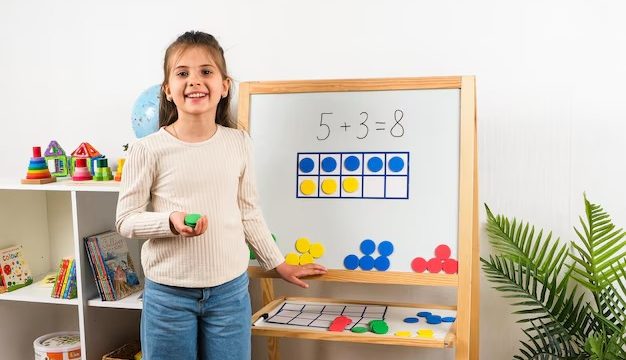
Addition is often the first operation students encounter, introducing them to the concept of combining quantities. It’s a gentle starting point that encourages a sense of accomplishment as they see numbers grow. Subtraction, on the other hand, teaches students about the idea of taking away, providing a sense of balance to the addition process. Together, these two operations lay the groundwork for more complex mathematical concepts.
Multiplication and division, often introduced shortly after, expand upon the ideas of addition and subtraction. While multiplication can be viewed as repeated addition, division offers a way to share or distribute quantities evenly. These operations are essential not just in academic settings but also in real-world scenarios. Whether it’s calculating how many slices of pizza each person gets at a party or determining how long it will take to save for a new bicycle, these skills are practical and relevant.
Building Confidence Through Practice
As with any skill, practice is key in mastering arithmetic. Regular engagement with numbers helps to solidify understanding and build confidence. Students can benefit from incorporating math into their daily lives in small, enjoyable ways. For instance, when cooking, they can double or halve recipes, allowing them to practice multiplication and division in a hands-on manner. This approach not only makes math relevant but also helps to develop a love for learning.
Another effective method is to use games and puzzles that involve arithmetic. Many board games and card games require players to perform calculations, making learning feel less like a chore and more like play. Additionally, there are numerous online resources and apps designed to make arithmetic practice fun and interactive. By blending learning with leisure, students can develop their skills in a relaxed and enjoyable environment.
Encouraging a Positive Mindset
It’s important to recognize that learning arithmetic can be challenging for some students. A positive mindset plays a crucial role in overcoming obstacles. Encouraging students to view mistakes as opportunities for growth can be incredibly beneficial. Rather than seeing errors as failures, they can be framed as stepping stones toward mastery. This shift in perspective fosters resilience and determination, essential qualities for any learner.
Creating a supportive environment is equally important. Parents, teachers, and peers can help by offering encouragement and celebrating successes, big or small. When students feel that their efforts are recognized, they are more likely to stay motivated and engaged in their learning process.
The Role of Real-World Applications
One of the most effective ways to instill a love for arithmetic is by highlighting its relevance in everyday life. From budgeting for a school project to calculating travel time, students can see how arithmetic plays a role in their daily decisions. Discussing real-world applications can spark curiosity and make the subject feel less abstract.
For example, when shopping, students can practice addition and subtraction by calculating discounts or comparing prices. In doing so, they not only sharpen their arithmetic skills but also gain valuable experience in making informed choices. By connecting arithmetic to real-life situations, students can appreciate its importance and utility.
A small shift toward balance
While mastering arithmetic is essential, it’s equally important for students to maintain a balanced approach to their studies. Stress and anxiety can hinder learning, so finding ways to integrate relaxation and mindfulness into the study routine can be beneficial. Simple practices, like taking short breaks during study sessions or engaging in deep-breathing exercises, can help students stay calm and focused.
Additionally, fostering a sense of curiosity about mathematics can inspire students to explore beyond the basics. Encouraging them to ask questions and seek out new challenges can lead to a deeper understanding and appreciation of the subject. This mindset not only helps with arithmetic but can also cultivate a lifelong love for learning.
Embracing the Journey
Ultimately, the journey to mastering arithmetic is just that—a journey. It’s not about perfection but rather about progress and understanding. Every student learns at their own pace, and that’s perfectly okay. Embracing this journey with patience and persistence can lead to a fulfilling educational experience.
As students navigate their arithmetic studies, they should remember that they are not alone. Support from teachers, family, and friends can make a world of difference. By fostering a community that values learning and encourages growth, students can thrive and develop the skills they need to succeed.
In conclusion, arithmetic is an essential part of a student’s education, providing the foundation for future learning and practical skills. By understanding the basics, practicing regularly, maintaining a positive mindset, and connecting arithmetic to real-world applications, students can build confidence and competence. Embracing the journey, with all its ups and downs, will ultimately lead to a deeper understanding and appreciation of this vital subject. So, let’s celebrate each step along the way and enjoy the beauty of numbers together.