In our daily lives, numbers are everywhere.
They are woven into the fabric of our experiences, guiding us through everything from budgeting our finances to measuring ingredients for a delicious meal.
Yet, for many, the concept of numbers and arithmetic can seem daunting. The good news is that understanding these fundamental components of life can be a gentle journey toward clarity and confidence.
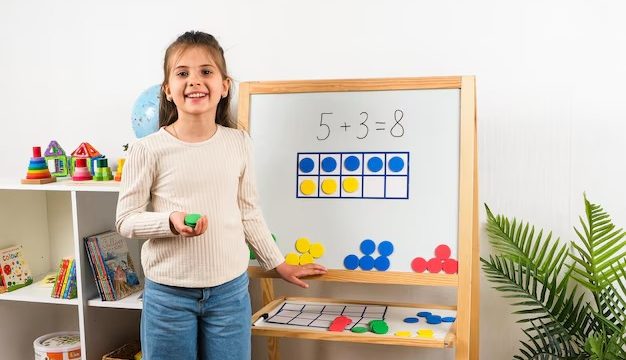
Finding comfort in numbers can often begin with the simplest of concepts. At its core, arithmetic is about relationships—how quantities relate to one another. Imagine a cozy gathering of friends, each bringing a dish to share. If one person brings two pizzas, and another brings three salads, we can quickly see that together they create a delightful feast. This simple act of combining quantities is the essence of addition, a basic yet powerful arithmetic operation.
As we delve deeper into numbers, we encounter various operations: addition, subtraction, multiplication, and division. Each serves a unique purpose, much like different tools in a toolbox. Addition and subtraction help us understand how to combine and separate quantities. For instance, if you have five apples and eat two, you can easily subtract to find that three apples remain. This fundamental concept is not just about numbers; it mirrors life’s ebb and flow, teaching us about gain and loss.
The beauty of multiplication and division lies in their ability to simplify our understanding of larger quantities. Multiplication can be thought of as a way of adding the same number repeatedly. If you have four friends and each friend has two cookies, instead of counting one by one, you can multiply: 4 friends times 2 cookies each gives you 8 cookies in total. This operation can save time and mental energy, allowing us to focus on enjoying our treats rather than getting lost in the details.
Division, on the other hand, is a way of distributing or sharing. If you have a delicious cake that you wish to share equally among four friends, division helps you determine how much each person receives. This act of sharing is not just a mathematical operation; it reflects a spirit of generosity and community. By embracing these operations, we can cultivate a sense of harmony in our interactions, both with numbers and with each other.
As we continue to explore the world of numbers, it’s essential to recognize the role of patterns. Patterns are the threads that connect numbers and operations, creating a tapestry of understanding. Recognizing that numbers can repeat or follow a sequence helps us make sense of the world around us. For instance, the rhythm of seasons or the cycles of the moon can be understood through numerical patterns. This awareness can foster a sense of connection to nature and the universe.
In our journey through numbers, we may also encounter the concept of measurement. Measurement is a practical application of arithmetic that helps us quantify our surroundings. Whether we are measuring the length of a table for a family gathering or determining how much paint we need for a room, measurements provide a framework for making informed decisions. This aspect of arithmetic is particularly empowering, as it allows us to take control of our environment and make choices that enhance our well-being.
A small shift toward balance can be found in the way we approach mistakes. It’s natural to feel apprehensive about making errors when working with numbers. However, embracing mistakes as part of the learning process can transform our relationship with arithmetic. Each misstep offers an opportunity for growth, encouraging us to rethink our approach and develop resilience. This perspective is not only applicable to numbers but can also be a guiding principle in our lives.
As we cultivate our understanding of numbers, it can be beneficial to explore the emotional connections we have with them. Many people associate numbers with stress, especially when it comes to finances or performance. It’s important to recognize that numbers themselves are neutral; they are tools that help us navigate our lives. By reframing our mindset, we can approach numbers with curiosity rather than fear. This shift can lead to a more positive experience, allowing us to engage with arithmetic as a companion rather than an adversary.
In our modern world, technology has made numbers more accessible than ever. With calculators and smartphones at our fingertips, we can perform complex calculations with ease. However, it’s still valuable to nurture our foundational understanding of arithmetic. By honing our skills, we can engage more meaningfully with the tools at our disposal. This balance between technology and fundamental knowledge can empower us to make informed choices and enhance our daily lives.
As we conclude this gentle exploration of numbers and arithmetic, it’s essential to remember that every journey is unique. Your relationship with numbers may evolve over time, influenced by experiences, education, and personal growth. Embrace this journey with an open heart, allowing curiosity to guide you.
Ultimately, numbers are not just abstract concepts; they are a reflection of our lives, our relationships, and our experiences. By nurturing a positive relationship with arithmetic, we can find a sense of balance and peace in our everyday lives. So, as you go about your day, take a moment to appreciate the numbers around you. Whether you’re cooking, budgeting, or simply counting the stars in the sky, let each number remind you of the beauty and harmony that exists in the world.