In our fast-paced world, the ability to think mathematically can feel like a superpower.
Arithmetic skills are foundational not just in academics, but in everyday life as well.
Whether you’re budgeting for groceries, planning a vacation, or simply calculating tips, strong arithmetic skills can make these tasks smoother and more enjoyable. So how can we cultivate these skills, transforming what may seem like a daunting subject into a joyful journey?
A gentle approach to learning arithmetic can be a game changer. Instead of viewing math as a series of difficult problems to solve, consider it a puzzle waiting to be enjoyed. When we shift our perspective, we allow ourselves to explore the beauty of numbers and their relationships. This can begin with something as simple as incorporating arithmetic into daily conversations. For instance, while preparing dinner, you might discuss how many cups of rice are needed for a recipe that serves four people versus one that serves six. This real-world application can demystify numbers and show their relevance in our lives.
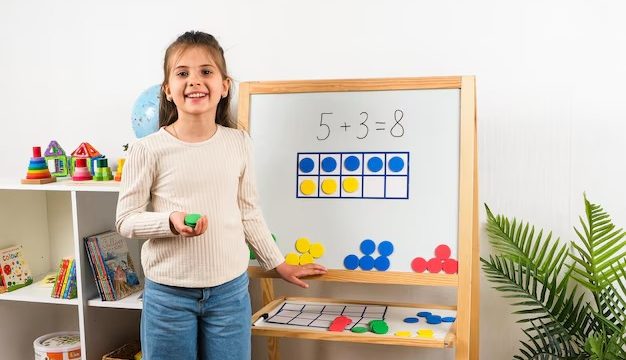
Creating a nurturing environment is essential for developing strong arithmetic skills. Surround yourself with resources that promote a positive view of math. This can include books, games, and puzzles that engage the mind while remaining fun. Math board games or apps can turn learning into a delightful experience, fostering a sense of curiosity and excitement about numbers. When arithmetic feels like play, it becomes less intimidating and more approachable.
Another effective way to strengthen arithmetic skills is through storytelling. By weaving math into narratives, we can create a relatable context that enhances understanding. Consider reading stories that involve counting, measuring, or sharing. As you explore these tales together, pause to discuss the math concepts involved. This not only reinforces the arithmetic skills but also makes learning a shared adventure, turning what could be a solitary task into a bonding experience.
Practice, as with any skill, is vital in arithmetic. However, the key is to make practice enjoyable rather than a chore. Short, engaging activities can be more effective than lengthy drills. For example, while on a walk, you might ask your child to count the number of cars that pass by or calculate how many steps it takes to reach a certain landmark. These spontaneous moments can provide valuable practice without the pressure of formal exercises.
Incorporating technology wisely can also be beneficial. There are numerous apps designed to make math engaging and interactive. Many of these platforms use gamification to encourage practice, providing instant feedback and rewards that motivate learners. Just remember to balance screen time with hands-on activities that encourage critical thinking and problem-solving.
Connecting arithmetic to other subjects can enhance understanding and retention. For instance, art can be a wonderful avenue to explore math concepts. Discuss shapes, symmetry, and patterns while creating a masterpiece. Cooking can also be a delightful way to practice measurements and fractions. As you mix ingredients, talk about the relationships between different quantities and how they can be adjusted for larger or smaller servings. This multi-dimensional approach not only makes learning more dynamic but also reveals the interconnectedness of various disciplines.
A calm and patient mindset is essential when developing arithmetic skills. It’s important to acknowledge that everyone learns at their own pace. Embrace mistakes as learning opportunities rather than setbacks. Encourage an atmosphere where questions are welcomed, and exploration is celebrated. This supportive environment can help build confidence, allowing learners to take risks and engage more deeply with math.
As we nurture arithmetic skills, it’s also vital to recognize the emotional aspect of learning. Anxiety around math is common, but it doesn’t have to define the experience. Mindfulness practices can be helpful in easing this tension. Simple breathing exercises or positive affirmations can create a calm state of mind that fosters focus and clarity. By addressing the emotional side of learning, we pave the way for a more enjoyable and effective experience.
Finding community can also enrich the journey of growing strong arithmetic skills. Joining study groups or math clubs can provide a sense of belonging and support. Sharing challenges and successes with peers can create a positive atmosphere where learning flourishes. Online forums and social media groups can also be excellent resources for connecting with others who share similar goals and interests.
As we explore the world of arithmetic, let’s not forget the importance of celebrating progress, no matter how small. Each step forward is a victory worth acknowledging. Whether it’s mastering a new concept or simply feeling more comfortable with numbers, these achievements contribute to a larger journey of growth. Celebrating these milestones can reinforce motivation and encourage continued exploration.
In the end, the path to strong arithmetic skills is not a race but a personal journey. Embracing the process with warmth and curiosity can transform learning into a fulfilling experience. By fostering a positive environment, incorporating real-world applications, and nurturing a supportive community, we can cultivate a love for numbers that lasts a lifetime. Remember, it’s not just about the destination but the joy found in the journey of learning and discovery. Let’s take each step together, celebrating the beauty of arithmetic along the way.