Understanding multiplication in arithmetic can feel like a journey into a world of patterns and relationships.
At its core, multiplication is a fundamental operation that helps us make sense of numbers and their interactions in our daily lives.
It’s not just a tool for solving problems; it’s a way to understand the world around us, whether we’re sharing a meal, planning a budget, or measuring ingredients for a favorite recipe.
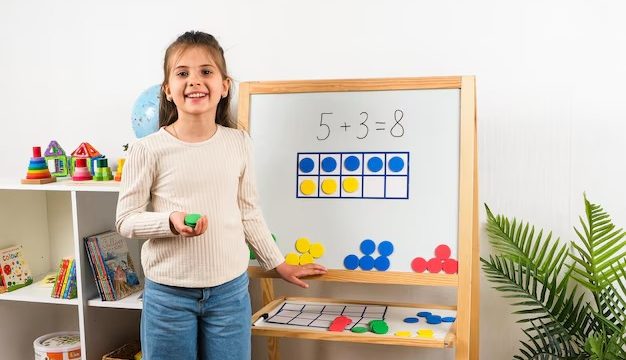
When we think about multiplication, we often picture a simple equation, such as 3 times 4. This basic calculation tells us that if we take three groups of four, we will have a total of twelve. However, the beauty of multiplication lies beyond mere numbers; it invites us to explore the connections between quantities and the ways they can combine to create something greater.
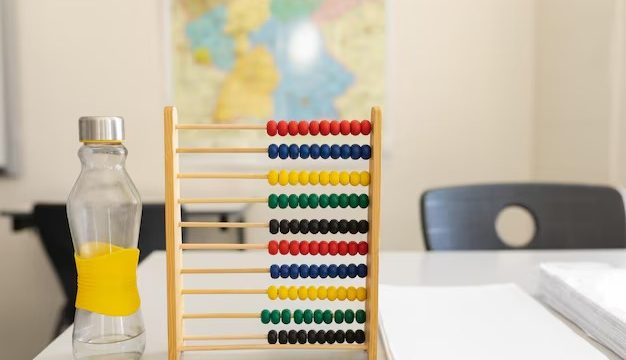
As we delve deeper into multiplication, we can start to see it as a form of repeated addition. If we have four apples and we want to find out how many apples we would have if we had four times as many, we can add four together four times: 4 + 4 + 4 + 4. This approach not only reinforces the concept of multiplication but also illustrates how numbers can interact in a harmonious way.
A small shift toward balance occurs when we recognize that multiplication is not just about finding the answer; it’s about understanding relationships. For example, the equation 5 times 2 can be viewed in multiple ways. We can think of it as two groups of five or five groups of two. This flexibility in perspective highlights the beauty of multiplication, allowing us to see the same situation from different angles and appreciate the underlying connections.
In our daily lives, multiplication plays a significant role, often without us even realizing it. When we cook, we multiply ingredients to adjust a recipe for more or fewer servings. When we shop, we calculate costs based on quantity, multiplying the price of an item by the number we wish to purchase. These practical applications remind us that multiplication is not just an abstract concept; it’s a vital part of our everyday experiences.
As we cultivate a deeper understanding of multiplication, we can also explore its relationship with division. These two operations are intrinsically linked, like two sides of the same coin. While multiplication helps us combine quantities, division allows us to break them down. Recognizing this connection can enhance our mathematical literacy and provide a more rounded view of how numbers operate.
Another aspect of multiplication that can be intriguing is its connection to the world of patterns. Multiplication tables, often introduced during early education, represent a beautiful symmetry in numbers. As we explore these tables, we notice that certain numbers, such as 2, 3, 5, and 10, create predictable patterns. This predictability can be comforting and empowering, providing a sense of order in the often-chaotic world of numbers.
In addition to practical applications and patterns, multiplication can also serve as a springboard for creativity. Consider the way it can be applied in art, music, and even nature. Artists use multiplication in design, creating repeating patterns that draw the eye and evoke emotion. Musicians might use it to understand rhythm and beats, multiplying measures to create complex compositions. Nature, too, is full of examples of multiplication, from the branching of trees to the way flowers bloom in multiples, each instance revealing a hidden order in the natural world.
As we engage with multiplication more deeply, we can also reflect on the emotional aspects of learning this concept. Many of us have experienced frustration or anxiety when faced with math, often stemming from a fear of making mistakes. It’s important to approach multiplication—and all arithmetic—with a sense of curiosity rather than pressure. Embracing a mindset of exploration allows us to learn at our own pace, celebrating small victories along the way.
Creating a positive environment for learning multiplication can greatly enhance our understanding. Finding ways to incorporate multiplication into fun activities can make the process enjoyable. Whether it’s through games, cooking, or even gardening, applying multiplication in real-life situations can help us grasp its significance and utility. This playful approach nurtures a love for learning and encourages us to see numbers as friends rather than foes.
In a world that often emphasizes the importance of quick answers and instant results, taking time to appreciate the nuances of multiplication can be refreshing. It encourages us to slow down, observe, and connect with the underlying patterns that shape our reality. As we become more comfortable with multiplication, we also foster a greater sense of confidence in our mathematical abilities.
Ultimately, understanding multiplication in arithmetic is about more than just mastering a skill; it’s about embracing the journey of learning and connecting with the world around us. Each equation we solve and every pattern we discover adds to the rich tapestry of our mathematical experience. By nurturing our curiosity and allowing ourselves to explore the beauty of numbers, we cultivate not only a better understanding of arithmetic but also a deeper appreciation for the intricate relationships that define our lives.
In conclusion, multiplication is a powerful tool that opens doors to understanding, creativity, and connection. By approaching it with a gentle mindset and a sense of wonder, we can transform our relationship with numbers and enhance our everyday experiences. As we navigate this journey, let us remember that each step brings us closer to a more profound insight into the world around us and our place within it.