The allure of islands and archipelagos has captivated humans for centuries.
From the shimmering waters that cradle them to the unique ecosystems they support, these landforms offer a glimpse into a world that feels both enchanting and mysterious.
Each island tells a story, shaped by its geography, culture, and the rhythms of nature.
Islands are often formed through various geological processes, including volcanic activity, erosion, and sediment deposition. This diversity in formation contributes to the uniqueness of each island. For instance, volcanic islands like the Hawaiian archipelago rise majestically from the ocean floor, their peaks often shrouded in mist, while coral islands such as those in the Maldives are flat and low-lying, characterized by their stunning lagoons and vibrant marine life.
The geography of these landforms is not merely a backdrop; it plays a pivotal role in shaping the climate and biodiversity of the islands. Tropical islands tend to boast lush rainforests, teeming with wildlife, while those in temperate zones may offer rolling hills and rocky coastlines. The specific conditions of each island—such as its latitude, altitude, and proximity to ocean currents—create distinct habitats, fostering a rich tapestry of flora and fauna that is often found nowhere else on Earth.
Exploring the geography of islands and archipelagos often leads us to consider how these environments influence the lifestyles of their inhabitants. Communities on islands have adapted to their surroundings in remarkable ways, often developing unique cultures and traditions that reflect their relationship with the land and sea. For example, fishing is not just a livelihood in many island cultures; it is a way of life that connects people to the rhythms of the ocean. The bounty of the sea shapes local cuisine, customs, and even social structures, creating a vibrant cultural landscape that is deeply intertwined with the geography of the place.
As we journey through these island realms, we often discover that the geography extends beyond physical landscapes. The isolation of many islands fosters a sense of community, where relationships among residents are often more intimate and interconnected. This closeness can lead to a strong sense of identity, as shared experiences and common challenges unite individuals. The slower pace of life on islands, away from the hustle and bustle of mainland cities, allows for moments of reflection and connection with nature, promoting a lifestyle that values simplicity and mindfulness.
A small shift toward balance can be observed in the sustainable practices that many island communities embrace. With limited resources and fragile ecosystems, there is often a heightened awareness of environmental stewardship. Residents may engage in practices such as fishing quotas, conservation efforts, and sustainable tourism initiatives to ensure that their natural surroundings remain intact for future generations. This mindful approach to living in harmony with nature serves as a gentle reminder of the importance of balance in our own lives.
Moreover, the geography of islands often serves as a sanctuary for biodiversity. Many islands are home to species that have evolved in isolation, resulting in unique plants and animals that are not found anywhere else. The Galápagos Islands, for example, are renowned for their extraordinary wildlife, which played a crucial role in Charles Darwin’s theory of evolution. These ecosystems are fragile, and the ongoing challenge of protecting them from invasive species and climate change highlights the need for continued conservation efforts.
As we delve deeper into the world of islands and archipelagos, we can’t help but appreciate the beauty of their landscapes. The rugged cliffs of Santorini, the white sandy beaches of Bora Bora, and the dense jungles of Borneo all offer breathtaking views that inspire awe and wonder. These natural wonders not only draw visitors from around the globe but also remind us of the importance of preserving the delicate balance of these environments.
Traveling to islands often evokes a sense of adventure and exploration. The journey to reach these destinations can be as enchanting as the islands themselves, whether it’s a boat ride across glistening waters or a scenic flight that reveals the beauty of the archipelago below. Each island offers its own unique experiences, from hiking volcanic trails to snorkeling in crystal-clear lagoons, inviting us to immerse ourselves in the wonders of nature.
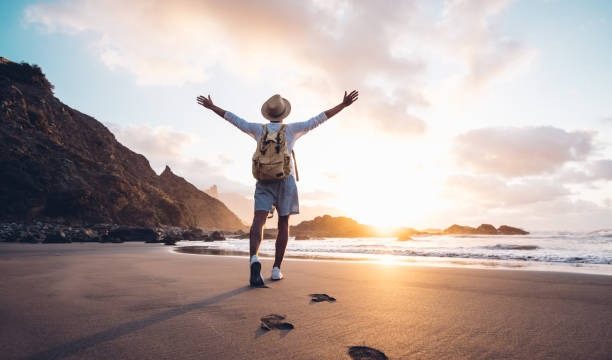
In the quiet moments spent on these islands, one can find a sense of peace and tranquility. The gentle lapping of waves, the rustle of palm leaves in the breeze, and the vibrant colors of sunsets create a serene atmosphere that encourages reflection and relaxation. It’s a reminder of the beauty that surrounds us and the importance of taking time to appreciate the world we inhabit.
Ultimately, the geography of islands and archipelagos serves as a mirror reflecting our own lives. The challenges they face, the beauty they offer, and the cultures that thrive within them remind us of the intricate connection between humans and nature. As we navigate our own journeys, may we find inspiration in the resilience and adaptability of island communities, and may we strive to cultivate a sense of balance and harmony in our own lives.
Whether you dream of exploring the untouched beauty of remote islands or simply wish to find solace in nature, the geography of these enchanting places invites us to connect with the world around us. Each island is a testament to the wonders of our planet, encouraging us to embrace the adventure of life, cherish our relationships, and nurture the environment that sustains us. Through this lens, we can discover not only the geography of islands but also the geography of our hearts and minds, leading us toward a more fulfilling and harmonious existence.