Numbers often seem like cold, hard facts, but beneath their surface lies a world of warmth and connection, especially when we begin to see the patterns they create.
Patterns are not just a mathematical concept; they are the threads that weave our understanding of numbers into a tapestry of meaning.
They help us make sense of the world around us, transforming abstract figures into relatable concepts that resonate with our everyday experiences.
When we think about patterns, we might first envision the rhythmic repetition found in nature, art, or music. Similarly, numbers have their own patterns. Consider the way they appear in sequences, such as the Fibonacci series, where each number is the sum of the two preceding ones. This sequence is not just a mathematical curiosity; it appears in the arrangement of leaves, the branching of trees, and even the spirals of seashells. By recognizing these patterns, we can appreciate the underlying order in what might initially seem chaotic.
A gentle shift toward understanding numbers through patterns can enhance our perception of mathematics. Instead of viewing numbers as isolated entities, we start to see them as part of a larger story. This story unfolds in various ways: through symmetry, sequences, and relationships. For instance, think about how we often use patterns in our daily lives without even realizing it. When we cook, we follow a recipe that involves measurements and timings, all grounded in numerical relationships. The act of cooking itself becomes a dance of numbers, each ingredient and step contributing to the final creation.
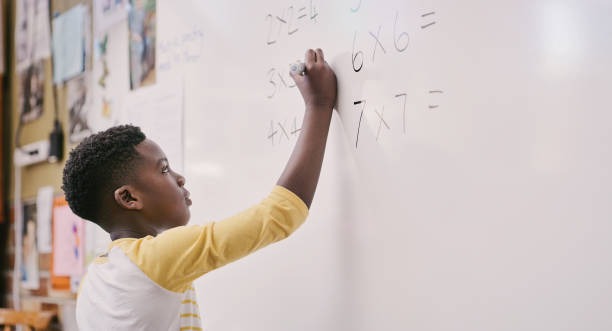
As we delve deeper into the world of patterns, we begin to notice their role in problem-solving. When faced with a complex issue, identifying patterns can provide clarity. For example, in mathematics, recognizing a pattern in a series can help us predict future numbers or outcomes. This skill is not just useful in academic settings; it can also be applied to everyday decisions, such as budgeting or planning travel itineraries. By understanding and utilizing patterns, we cultivate a sense of confidence in handling numbers, allowing us to navigate life’s challenges with greater ease.
Embracing patterns can also foster a sense of connection with others. Consider how we often bond over shared experiences that involve numbers, such as birthday celebrations, anniversaries, or even the excitement of a favorite sports team’s score. These moments are steeped in numerical significance, yet they also carry emotional weight. They remind us that numbers are not merely abstract symbols; they reflect our shared humanity and the milestones that shape our lives.
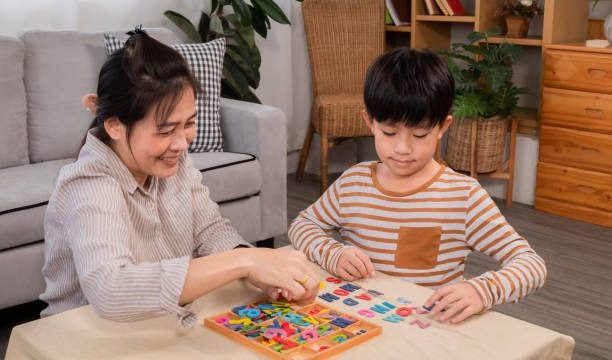
In the realm of education, fostering an appreciation for patterns can transform the way children engage with mathematics. Rather than memorizing formulas and procedures, young learners can explore the beauty of numbers through hands-on activities that highlight patterns. For instance, using blocks to create sequences or drawing geometric shapes can ignite a sense of wonder and curiosity. This playful approach invites children to discover the joy of numbers, encouraging them to see math not as a chore, but as an integral part of their world.
As adults, we can also benefit from revisiting the patterns of numbers. Perhaps you’ve tried to learn a new skill or hobby, only to feel overwhelmed by the complexities involved. Here, recognizing patterns can be a source of comfort. Whether it’s learning a new language or mastering a musical instrument, understanding the patterns inherent in these skills can make the journey less daunting. It reminds us that progress often comes in stages, and each small step contributes to a larger goal.
Moreover, patterns can guide us in cultivating a balanced life. Just as numbers can create harmony in mathematics, they can also help us find equilibrium in our daily routines. For example, tracking habits, such as exercise or meditation, can reveal patterns that inform our well-being. By recognizing when we feel most energized or calm, we can tailor our activities to align with those patterns, leading to a more fulfilling lifestyle.
The beauty of patterns is that they are everywhere, waiting to be discovered. From the rhythm of our daily routines to the cycles of nature, numbers and patterns intertwine to create a rich tapestry of life. By embracing this connection, we not only enhance our understanding of mathematics but also deepen our appreciation for the world around us. Each pattern we uncover serves as a reminder of the intricate connections that bind us together, transforming numbers from mere symbols into a language of life itself.
In conclusion, understanding numbers through patterns invites us to engage with mathematics in a more meaningful way. By recognizing the beauty of these relationships, we can shift our perspective, seeing numbers as part of a larger narrative. This gentle shift can enhance our interactions with numbers, making them feel less intimidating and more relatable. As we explore the patterns that shape our lives, we discover a deeper appreciation for the rhythm of existence, where numbers and human experiences intertwine seamlessly. Ultimately, this understanding enriches our lives, allowing us to navigate the world with confidence, creativity, and a sense of wonder.