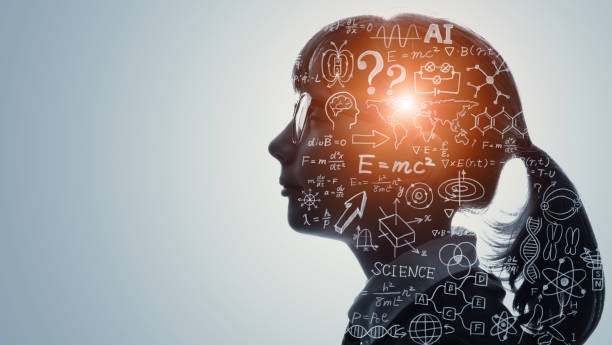
In the journey of life, we often find that health and wellness are at the forefront of our minds.
Whether we’re seeking to prevent illness, manage chronic conditions, or simply enhance our overall well-being, science plays a pivotal role in shaping our understanding and approaches to health and medicine.
As we delve into this intricate relationship, it becomes clear that the insights derived from scientific inquiry are not just abstract concepts; they are woven into the fabric of our daily lives.
A gentle exploration of the past reveals how far we’ve come. Historically, the field of medicine was steeped in tradition and often reliant on anecdotal evidence. Ancient civilizations turned to herbal remedies and rituals, guided by the wisdom of their predecessors. While these practices laid the groundwork for future advancements, they also highlighted the limitations of understanding health without the lens of scientific inquiry. It wasn’t until the advent of the scientific method that medicine began to evolve into a more structured and evidence-based discipline.
As we moved into the modern era, pivotal discoveries began to emerge. The identification of germs as the causative agents of many diseases, championed by figures like Louis Pasteur and Robert Koch, transformed our approach to healthcare. This understanding led to the development of vaccines and improved hygiene practices, which have saved countless lives. The connection between science and health became increasingly evident; it was not merely about treating symptoms but understanding the underlying causes of illness.
In our contemporary world, the role of science in health and medicine continues to expand, touching every aspect of our lives. From the discovery of antibiotics that revolutionized the treatment of infections to advances in imaging technologies that allow us to peer inside the human body, the impact is profound. These innovations are not just for the medical professionals; they ripple out into our everyday experiences, enhancing our quality of life.
As we embrace the fruits of scientific research, we also witness the emergence of personalized medicine. This approach tailors medical treatment to the individual characteristics of each patient, often informed by genetic insights. Imagine a world where your healthcare is not just a one-size-fits-all solution but a customized plan that considers your unique genetic makeup, lifestyle, and preferences. This is not a distant fantasy; it is a reality being shaped by the diligent work of scientists and researchers.
The importance of preventive care cannot be overstated. Science has illuminated the pathways to a healthier life, emphasizing the significance of lifestyle choices. Research continually uncovers the links between diet, exercise, and mental health, offering evidence that reinforces the age-old wisdom of balance and moderation. As we integrate these findings into our lives, we empower ourselves to take charge of our health, making informed decisions that enhance our well-being.
In the realm of mental health, the contributions of scientific research are equally transformative. The stigma surrounding mental health issues is gradually dissipating, thanks in part to increased awareness and understanding fostered by scientific studies. Therapies grounded in cognitive-behavioral principles and other evidence-based practices are becoming more prevalent, providing individuals with effective tools to navigate their mental health journeys. Science not only helps in diagnosing conditions but also in developing effective treatment modalities that resonate with those seeking support.
Looking ahead, the intersection of technology and medicine presents exciting possibilities. Innovations such as telehealth have made healthcare more accessible, allowing individuals to consult with healthcare providers from the comfort of their homes. Wearable devices track our physical activity and vital signs, offering real-time feedback that encourages healthier habits. As we embrace these advancements, we find that science is not just a distant entity; it has become a part of our daily routines, guiding us toward better health.
While the journey through the world of health and medicine is marked by remarkable progress, it is essential to remember the human element at its core. Science, after all, is not merely a collection of data points or research papers; it is about people—patients, caregivers, researchers, and practitioners. The stories of resilience and recovery remind us that behind every scientific breakthrough lies a human experience, shaped by hope and determination.
As we navigate our paths toward wellness, it is beneficial to cultivate a mindset that embraces curiosity and openness. By staying informed about scientific advancements and their implications for our health, we become active participants in our own well-being. Engaging with health information mindfully allows us to discern what aligns with our values and lifestyles, fostering a sense of empowerment.
In this ever-evolving landscape, it is also crucial to approach health information with a critical eye. Not all sources are created equal, and the internet can sometimes blur the lines between credible science and misinformation. By seeking out reputable sources and consulting with healthcare professionals, we can ensure that our understanding of health and medicine is rooted in reliable evidence.
As we reflect on the role of science in health and medicine, it becomes evident that this relationship is a partnership—one that requires collaboration, communication, and mutual respect. Scientists, healthcare providers, and patients all play integral roles in this intricate dance, working together to enhance our collective well-being.
In conclusion, the journey of health and wellness is enriched by the contributions of science. From historical breakthroughs to modern innovations, our understanding of health continues to evolve, offering new avenues for improving our lives. By embracing the insights gained through scientific inquiry and integrating them into our daily practices, we can cultivate a lifestyle that supports our well-being, fostering a harmonious balance between body and mind. With each step we take, we honor the legacy of those who came before us and pave the way for future generations to thrive in a world where health is not just the absence of illness, but a vibrant state of being.