Learning fractions can often feel like navigating a maze filled with confusing symbols and numbers.
However, with a little creativity and a dash of fun, you can turn this mathematical concept into an engaging experience for both children and adults.
Here are some enjoyable activities to help you and your loved ones grasp fractions in a playful yet educational manner.
A gentle introduction to fractions can begin in the kitchen. Cooking is one of the best ways to make learning tangible. When you follow a recipe, you often encounter fractions in the form of cups, tablespoons, and teaspoons. Why not invite your family or friends to join you in preparing a meal? As you measure out ingredients, take the opportunity to discuss how different fractions come together to create a whole dish. For example, if a recipe calls for one and a half cups of flour, you can demonstrate how to measure one cup and then add half a cup, showing how the two fractions combine. This hands-on approach not only teaches fractions but also fosters teamwork and communication.
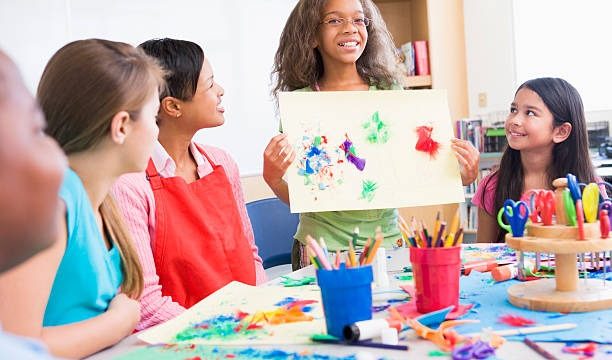
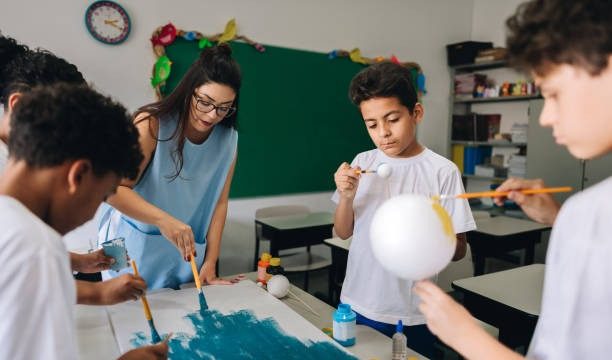
Exploring fractions through art is another delightful avenue. Set up a creative space with colored paper, scissors, and glue. Ask everyone to create a collage that represents different fractions. For example, you could cut a large circle into halves, quarters, or eighths using different colors. This visual representation can help solidify the concept of fractions as parts of a whole. As you work on your collages, discuss the different fractions you are creating and how they relate to one another. This artistic exploration can make learning feel less like a chore and more like a shared experience.
Another engaging way to learn about fractions is through games. Board games that involve counting, such as Monopoly or The Game of Life, can be adapted to include fraction discussions. For instance, when players land on a property, you could ask them to calculate what fraction of their total money they are spending. Alternatively, you can create a simple card game where players have to match equivalent fractions. This not only makes fractions more relatable but also introduces critical thinking and strategy into the mix.
Nature walks can also provide a refreshing backdrop for learning about fractions. As you stroll through a park or your backyard, you can gather items like leaves, stones, or flowers. Once you have a collection, challenge each other to create fractions from the items. For instance, if you collected twelve leaves, how many would represent one-half or one-third? This outdoor activity blends physical movement with cognitive learning, making fractions a part of the natural world around us.
Incorporating technology can also enhance the learning experience. There are numerous apps and online games designed to teach fractions in an interactive manner. These digital resources often use colorful graphics and engaging storylines to capture attention. Consider setting aside some screen time to explore these tools together. As you navigate through the games, talk about the strategies you’re employing and how they relate to the concepts of fractions. This can create a bridge between traditional learning methods and modern technology, appealing to a variety of learning styles.
For those who enjoy reading, there are many wonderful children’s books that introduce fractions in a fun and engaging way. Titles like “Fraction Fun” by David Adler or “The Wishing Tree” by Mary McCarty can provide context and narrative to the concept of fractions. After reading, you can discuss the fractions mentioned in the story and create your own examples based on the characters’ experiences. This not only reinforces the learning but also nurtures a love for reading and storytelling.
A small shift toward balance can also be achieved through physical activities. Yoga and dance can be surprisingly effective in teaching fractions. For example, while practicing yoga poses, you can discuss how a specific pose holds a fraction of the total time you spend in the session. In dance, you can break down a routine into fractions of counts, helping learners understand how parts combine to create a whole performance. This kinesthetic approach makes learning dynamic and enjoyable, allowing the body to engage with the concept of fractions.
Gardening can be another fruitful way to explore fractions. If you have a garden or even a few pots on a balcony, consider planting seeds in different sections. For instance, if you have a plot divided into four equal parts, plant different seeds in each part and discuss the fraction of the garden each type of plant occupies. As the plants grow, you can revisit the fractions and see how they change over time, providing a living example of how parts relate to a whole.
As you explore these activities, remember that the goal is to create a positive and engaging environment for learning. The more relaxed and enjoyable the experience, the more likely it is to resonate with those involved. Approach each activity with curiosity and openness, allowing for questions and discussions to flow naturally. This not only reinforces understanding but also builds a foundation of trust and collaboration among family and friends.
In the end, learning fractions doesn’t have to be a daunting task. With a sprinkle of creativity and a focus on fun, you can transform this mathematical concept into an enjoyable adventure. Whether you’re cooking, creating art, playing games, or exploring the outdoors, the opportunities to learn fractions are endless. Embrace the journey, and you might just find that fractions become a delightful part of your everyday life.