Encouraging independent learning in children is a beautiful journey that can foster curiosity, confidence, and a lifelong love for knowledge.
As educators and parents, we often find ourselves guiding our little ones, but nurturing their ability to learn on their own can be equally rewarding.
Here are some gentle approaches to inspire independence in learning, creating an environment where children can thrive.
Creating a nurturing environment is the first step toward fostering independent learning. A space that feels safe and inviting allows children to explore their interests without fear of making mistakes. This can be as simple as setting up a cozy reading nook filled with books that pique their curiosity or providing art supplies for creative expression. The key is to ensure that this space encourages exploration while also being free from distractions. When children feel comfortable in their surroundings, they are more likely to take the initiative to learn and discover.
Encouraging questions is another vital aspect of promoting independent learning. Children are naturally curious, and their questions can lead to meaningful exploration. Instead of providing immediate answers, try to guide them through the process of finding solutions. This might involve asking them what they think or suggesting resources they can explore. By doing so, you empower them to seek knowledge independently while developing critical thinking skills. It can be a delightful experience, watching them piece together information and arrive at their own conclusions.
A small shift toward balance can be achieved by allowing children to take ownership of their learning. This means giving them the freedom to choose what they want to learn about, which can be incredibly motivating. You might introduce them to a variety of subjects, such as science, art, or history, and let them pick the topics that resonate most with them. This autonomy fosters a sense of responsibility and pride in their learning journey, encouraging them to dive deeper into subjects that truly interest them.
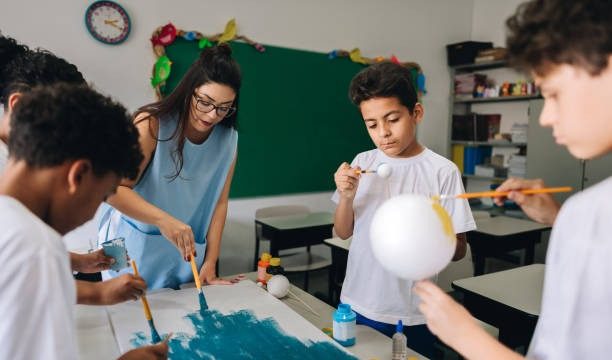
Incorporating play into learning can also be a wonderful way to encourage independence. Children learn best when they are engaged and having fun. Integrating games, hands-on activities, or outdoor exploration into lessons can make learning feel less like a chore and more like an adventure. For instance, if your child is interested in nature, consider organizing a scavenger hunt where they can discover different plants or insects. This playful approach not only makes learning enjoyable but also allows them to explore at their own pace.
Modeling lifelong learning is an essential part of encouraging independence. Children often learn by observing the adults around them. When they see you engaging in your own learning pursuits, whether it’s reading a book, taking a class, or exploring a new hobby, they are more likely to adopt a similar mindset. Share your learning experiences with them, discussing what you discover and how it enriches your life. This creates a culture of curiosity and reinforces the idea that learning is a continuous journey.
Promoting goal-setting can also be a gentle way to encourage independent learning. Helping children set small, achievable goals can instill a sense of purpose and direction in their learning. This could be as simple as completing a book by the end of the week or mastering a new skill, like drawing or coding. Celebrate their achievements, no matter how small, to reinforce their sense of accomplishment. This practice not only fosters independence but also teaches them the value of perseverance and dedication.
Encouraging reflection is another vital aspect of nurturing independent learners. After completing a task or project, take some time to discuss what they learned and how they felt about the experience. This helps children process their thoughts and emotions, allowing them to understand their learning journey better. Ask open-ended questions that prompt them to think critically about their experiences. This reflection process can lead to greater self-awareness and a deeper understanding of their interests and strengths.
Integrating technology mindfully can also enhance independent learning. In our digital age, technology can be a powerful tool for exploration. Encourage your child to use educational apps, online courses, or videos that align with their interests. However, it’s important to set boundaries and ensure that their screen time is balanced with other forms of learning and play. Teaching them to use technology responsibly will empower them to seek knowledge independently while also developing digital literacy skills.
Encouraging collaboration with peers is another enriching aspect of independent learning. Learning doesn’t have to be a solitary experience. Organizing group projects or study sessions with friends can provide children with different perspectives and enhance their learning experience. This collaborative approach fosters a sense of community and allows them to learn from one another, promoting teamwork and social skills.
Lastly, cultivating a growth mindset is crucial in nurturing independent learners. Encourage your child to view challenges as opportunities for growth rather than obstacles. Celebrate their efforts and resilience when they encounter difficulties, reinforcing the idea that perseverance is key to success. This mindset allows them to embrace learning as a lifelong journey filled with exploration, discovery, and personal development.
In conclusion, encouraging independent learning in children is a multifaceted journey that involves creating a supportive environment, promoting curiosity, and fostering self-discovery. By gently guiding them through this process, we empower our children to take charge of their learning, instilling a sense of confidence and passion for knowledge that will serve them throughout their lives. Remember, every small step taken toward independence is a significant milestone in their educational journey, and your support can make all the difference.