Teaching students with special needs can be one of the most rewarding yet challenging experiences for educators.
It requires a unique blend of patience, creativity, and understanding.
As we navigate this journey together, we can explore various techniques that have proven effective in supporting these students in their learning environments.
Creating a nurturing atmosphere is essential. Students with special needs often thrive in spaces where they feel safe and valued. By fostering a warm, inclusive environment, educators can help their students engage more fully. This might mean rearranging a classroom to minimize distractions or incorporating calming elements like soft lighting or comfortable seating areas. When students feel at ease, they are more likely to express themselves and participate in the learning process.
Building strong relationships is another cornerstone of effective teaching. Establishing trust can make a world of difference for students who may have experienced challenges in previous educational settings. Taking the time to get to know each student, their interests, and their individual needs can help create a bond that encourages open communication. This connection not only enhances learning but also promotes emotional well-being.
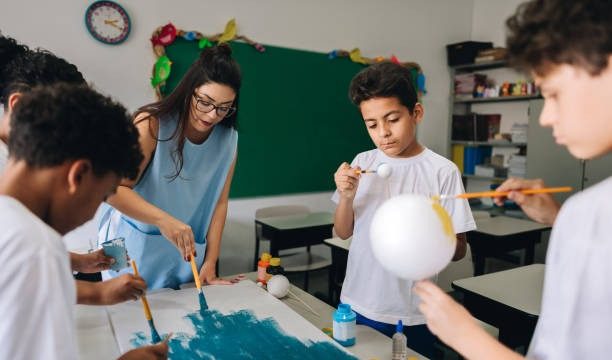
Adapting instructional methods is vital when working with diverse learners. Each student comes with their own unique strengths and challenges, and recognizing these differences can guide an educator’s approach. For instance, incorporating visual aids can be beneficial for students who struggle with verbal instructions. Using charts, diagrams, or multimedia presentations can help convey complex ideas in a more digestible manner. Similarly, hands-on activities can be incredibly effective for students who learn best through experience. Engaging them in real-world applications of concepts can spark curiosity and deepen understanding.
Another effective technique is to incorporate multi-sensory learning experiences. This approach engages various senses, making learning more dynamic and memorable. For example, using tactile materials or interactive tools can help students grasp abstract concepts. Whether it’s through art, music, or movement, tapping into different sensory channels can create a richer educational experience.
Providing clear and consistent routines can also be beneficial. Many students with special needs thrive on structure, as it helps them feel secure and understand what to expect. By establishing predictable schedules and transitions, educators can minimize anxiety and foster a sense of stability. Visual schedules can be particularly helpful, allowing students to see what activities lie ahead and prepare themselves mentally for changes throughout the day.
Additionally, flexibility in teaching methods can cater to the varying needs of students. Being open to adjusting lesson plans or trying alternative strategies can make a significant impact. For instance, if a particular teaching method isn’t resonating with a student, being willing to pivot and explore different avenues can lead to breakthroughs in understanding. This adaptability not only supports learning but also models resilience and problem-solving skills for students.
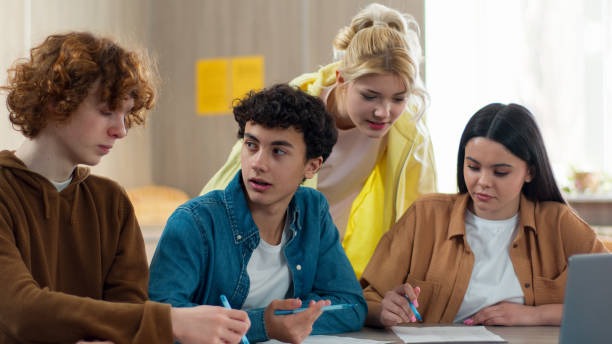
Encouraging peer collaboration is another wonderful way to enhance the learning experience. Group activities can provide opportunities for students to work together, share ideas, and learn from one another. This collaborative environment promotes social skills, empathy, and teamwork. Pairing students strategically can also create a sense of belonging, as they support each other in their learning journeys.
Celebrating small successes is essential. In any educational setting, recognizing achievements—no matter how minor—can boost confidence and motivation. For students with special needs, these moments of validation can be particularly impactful. Whether it’s a new skill mastered or simply participating in a classroom discussion, acknowledging these milestones fosters a growth mindset and encourages students to strive for further success.
Communication with families plays an integral role in supporting students with special needs. Building a partnership with parents and caregivers can provide valuable insights into a student’s strengths, challenges, and interests. Regular check-ins and open lines of communication ensure that everyone is on the same page and working collaboratively toward the student’s goals. This teamwork can create a strong support network that extends beyond the classroom.
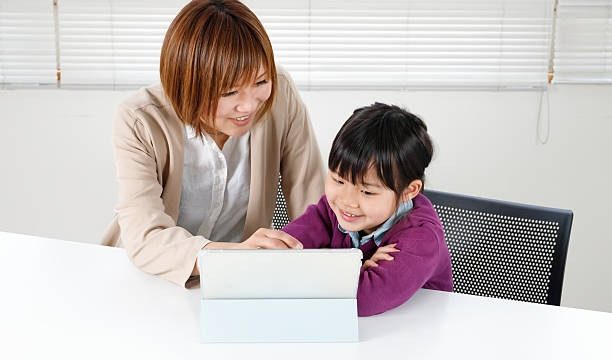
Incorporating technology can also enhance learning for students with special needs. There are numerous tools and applications available that cater specifically to diverse learning needs. From speech-to-text software to interactive educational games, technology can provide personalized learning experiences that engage students in new ways. It’s important to explore these resources and determine which ones align best with each student’s individual learning style.
As we reflect on these techniques, it’s essential to remember that every student is unique. What works for one may not work for another, and that’s perfectly okay. The key is to remain observant and responsive to each student’s needs, adapting strategies as necessary. It’s this ongoing journey of discovery that makes teaching students with special needs both challenging and incredibly fulfilling.
Ultimately, the goal is to empower these students, helping them reach their full potential while fostering a love for learning. By embracing patience, creativity, and a mindset of inclusivity, educators can create enriching experiences that not only enhance academic growth but also nurture emotional and social development.
In this beautiful tapestry of education, each thread represents a student’s journey. By weaving together understanding, support, and a commitment to growth, we can help all students shine brightly in their own unique ways. Teaching students with special needs is not just about imparting knowledge; it’s about cultivating an environment where every learner can flourish and thrive.