The importance of active participation in learning often gets overshadowed by the more traditional views of education.
Many of us are familiar with the conventional classroom dynamic: a teacher delivers information, and students passively absorb it.
However, as we delve deeper into the essence of learning, we discover that engagement and involvement play pivotal roles in truly grasping concepts and fostering personal growth.
A gentle shift toward engagement
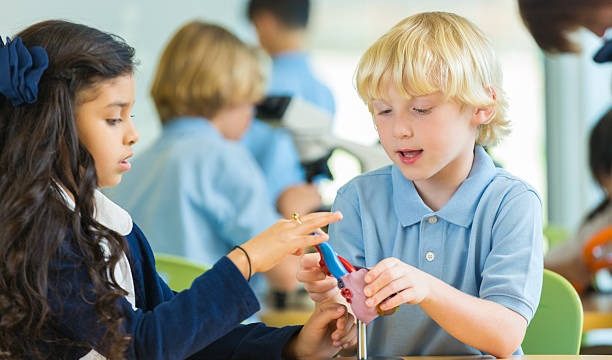
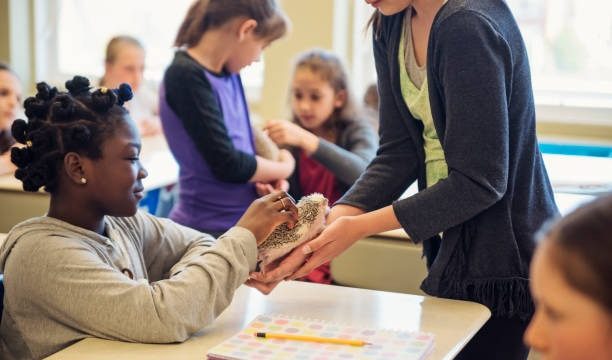
Active participation brings a richness to the learning experience that passive absorption simply cannot match. When we engage with the material—whether through discussions, hands-on activities, or collaborative projects—our brains process information in a more profound way. This active engagement helps create connections between ideas, making them easier to recall later. It’s akin to planting seeds in a garden; the more care and attention we give them, the more they flourish.
Consider how we learn best. Have you ever found yourself captivated by a story shared in a classroom or a workshop? When the speaker invites questions or encourages dialogue, the atmosphere transforms. Suddenly, everyone feels like they have a stake in the conversation. This shared involvement not only enhances understanding but also cultivates a sense of community among learners. It’s in these moments of exchange, where ideas bounce off one another, that true learning happens.
Building confidence through participation
Engaging actively in learning environments also nurtures confidence. For many, speaking up or sharing thoughts can feel daunting. However, when we participate, we take small but significant steps toward overcoming that fear. Each contribution, no matter how small, reinforces our belief in our abilities. This gradual building of confidence can extend far beyond the classroom, influencing our personal and professional lives.
Imagine attending a workshop where participants are encouraged to share their insights. A timid voice speaks up, offering a unique perspective. In that moment, not only does the individual experience a surge of confidence, but others also benefit from the fresh viewpoint. This cycle of participation creates an enriching environment where everyone feels valued and heard.
The transformative power of collaboration
Collaboration is another powerful aspect of active participation. Working alongside others allows us to see different approaches to the same problem. When learners collaborate, they don’t just share knowledge; they also learn about teamwork, patience, and the beauty of diverse perspectives. This collective journey enhances the learning experience, making it more dynamic and multifaceted.
In a world that increasingly values collaboration, being an active participant prepares us for future endeavors. Whether in a professional setting or a community project, the ability to engage constructively with others is a valuable skill.
Creating a lifelong love for learning
When we actively participate in our learning journey, we cultivate a genuine love for knowledge. It becomes less about acquiring information for exams or grades and more about the joy of discovery. This shift in mindset is crucial in today’s fast-paced world, where continuous learning is essential for personal and professional growth.
Think back to a time when you learned something new that truly excited you. Perhaps it was a cooking class where you experimented with flavors, or a history discussion that led to a deeper understanding of a culture. These experiences often stick with us because we were actively engaged. They remind us that learning can and should be enjoyable.
Finding balance in participation
While active participation is crucial, it’s also important to find a balance. Not every moment in a learning environment requires vocal participation or group work. There are times when quiet reflection and individual study are equally valuable. The key lies in recognizing when to engage and when to step back, allowing for a more holistic approach to learning.
Incorporating moments of solitude into our learning routine can lead to deeper insights and personal reflections. This balance between active participation and quiet contemplation creates a well-rounded learning experience that nurtures both the mind and spirit.
The ripple effect of engaged learning
The benefits of active participation extend beyond the individual. When we engage fully in our learning, we inspire those around us. Our enthusiasm can spark curiosity in others, creating a ripple effect that enhances the entire learning community. This shared energy fosters an environment where everyone feels empowered to contribute, leading to richer discussions and a more vibrant atmosphere.
As we navigate our learning journeys, it’s essential to remember that participation is not just about speaking up; it encompasses listening, observing, and reflecting as well. Each of these elements contributes to a fuller understanding of the material and a deeper connection with fellow learners.
A journey of growth and discovery
Ultimately, the importance of active participation in learning lies in its ability to transform our experiences. It encourages us to step outside our comfort zones, embrace new ideas, and connect with others on a meaningful level. As we engage with the world around us, we not only expand our knowledge but also enrich our lives.
In our quest for personal and intellectual growth, let us embrace the opportunities for active participation that come our way. Whether in a classroom, a workshop, or a casual conversation, each moment of engagement is a chance to learn, grow, and connect. As we cultivate this practice, we nurture not only our minds but also our hearts, creating a life that is vibrant, curious, and continually evolving.
In this ever-changing world, let us remember that learning is not a destination but a journey—a journey best traveled together, with open minds and eager hearts.