Education is often viewed as a structured pathway to knowledge, but its true essence goes far beyond textbooks and classrooms.
At its core, education serves as a nurturing ground for independent thinking, fostering a sense of curiosity and encouraging individuals to explore the world around them.
In a society that constantly evolves, the ability to think independently is not just an asset; it is a necessity for personal and collective growth.
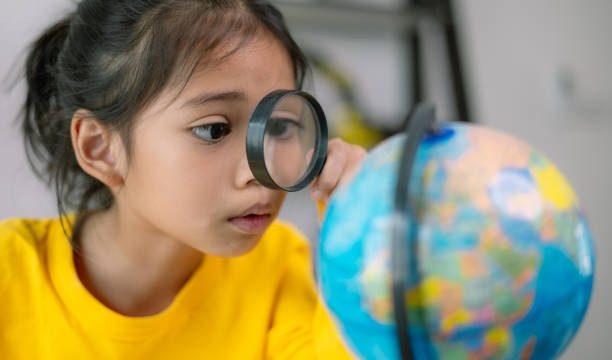
The journey of education begins with the simple act of questioning. From a young age, children are naturally curious, eager to understand the “why” and “how” of everything they encounter. This innate curiosity is the foundation upon which independent thinking is built. When educators embrace this curiosity, they create an environment where students feel safe to express their thoughts and opinions. This supportive atmosphere allows learners to explore ideas, challenge norms, and engage in discussions that promote critical thinking.
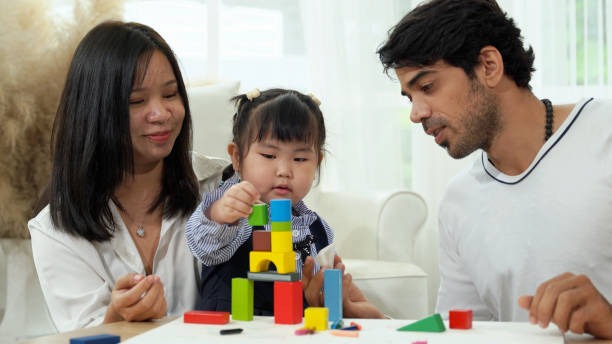
Creating a safe space for dialogue is essential. In classrooms where diverse perspectives are welcomed, students learn to appreciate different viewpoints. This not only broadens their understanding but also encourages them to articulate their own beliefs confidently. When students are encouraged to think for themselves, they begin to develop a sense of ownership over their learning journey. This empowerment fosters resilience, as they learn to navigate challenges and formulate their own solutions.
As students progress through their education, they encounter a variety of subjects and disciplines. Each subject offers a unique lens through which to view the world. For instance, a history lesson might prompt students to consider the motivations behind historical events, while a science experiment invites them to hypothesize and test their ideas. Engaging with different disciplines cultivates a well-rounded perspective, enabling learners to draw connections between seemingly unrelated topics. This interdisciplinary approach enhances independent thinking, as students learn to synthesize information and apply it creatively in various contexts.
A gentle shift toward balance occurs when education encourages both critical and creative thinking. While critical thinking involves analyzing and evaluating information, creative thinking allows for innovation and imaginative problem-solving. In a balanced educational environment, students are encouraged to question assumptions and think outside the box. This dual approach not only enhances their cognitive abilities but also nurtures their emotional intelligence, enabling them to navigate complex social dynamics with empathy and understanding.
Moreover, the role of educators in promoting independent thinking cannot be understated. Teachers who model curiosity and lifelong learning inspire their students to adopt a similar mindset. When educators share their own learning experiences, including their failures and successes, they humanize the process of education. This authenticity fosters trust and motivates students to embrace challenges as opportunities for growth. By encouraging learners to pursue their passions and interests, educators nurture a sense of agency, allowing students to take charge of their own learning.
In today’s digital age, access to information is more abundant than ever. However, the sheer volume of information can be overwhelming. Education plays a critical role in helping individuals navigate this landscape with discernment. Teaching students how to evaluate sources critically, differentiate between fact and opinion, and recognize bias empowers them to become informed citizens. This skill set is essential in a world where misinformation can spread rapidly. By cultivating independent thinkers who can sift through information thoughtfully, education contributes to a more informed and engaged society.
As learners transition from formal education to the broader world, the ability to think independently becomes increasingly vital. In the workplace, for instance, employers value individuals who can approach problems creatively and contribute innovative solutions. The collaborative nature of modern work environments often requires individuals to communicate their ideas effectively while remaining open to feedback. Independent thinking fosters adaptability, enabling individuals to thrive in diverse settings and navigate the complexities of their careers.
The impact of education on independent thinking extends beyond personal development; it ripples into the community and society at large. When individuals are empowered to think critically and independently, they are more likely to engage in civic activities, advocate for their beliefs, and contribute positively to their communities. This engagement creates a culture of dialogue and collaboration, where diverse voices are heard and valued. In essence, education lays the groundwork for a more democratic society, where individuals are equipped to participate actively in shaping the future.
As we reflect on the transformative power of education, it becomes clear that promoting independent thinking is not merely an educational goal; it is a fundamental human right. Every individual deserves the opportunity to explore their thoughts, challenge assumptions, and contribute their unique perspectives to the world. By fostering environments that support independent thinking, we create a brighter future for generations to come.
In conclusion, education serves as a crucial catalyst for independent thinking, empowering individuals to embrace their curiosity, challenge norms, and engage meaningfully with the world around them. By nurturing this essential skill, we not only enhance personal growth but also cultivate a society that values diversity of thought and encourages collaboration. As we continue on this journey, let us celebrate the beauty of independent thinking and the profound impact it has on our lives and the world at large.