In a world that constantly evolves, the way we learn is also transforming.
Traditional education, while invaluable, often does not cater to the diverse needs of every learner.
Enter open learning—an approach that invites individuals to explore knowledge in a way that feels organic and practical. This method not only broadens access to education but also nurtures a more personalized learning experience.
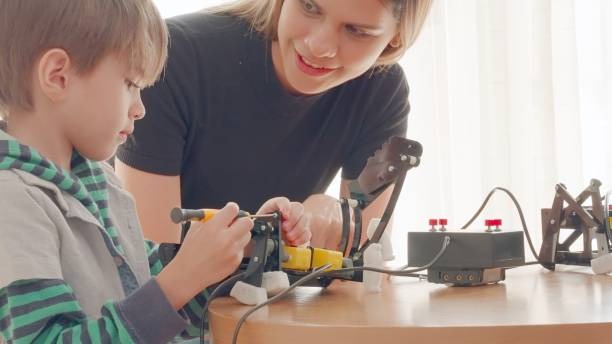
Open learning encourages curiosity and hands-on engagement, allowing individuals to learn by doing. It is about breaking down barriers and fostering an environment where learning is not confined to the four walls of a classroom. Instead, it embraces various formats—online courses, workshops, community projects, and even peer-to-peer exchanges—making education more accessible and applicable to real-life situations.
A small shift toward balance
Imagine a world where learning is not just about memorizing facts but about understanding how to apply knowledge in everyday life. Open learning promotes this balance. It emphasizes practical skills that can be used in various aspects of life, from personal development to professional growth. For instance, someone interested in cooking can find countless resources, from video tutorials to local cooking classes, enabling them to experiment and refine their skills in a supportive environment.
The beauty of open learning lies in the freedom it offers. It allows individuals to pursue their interests at their own pace and in their own style. Whether you’re a visual learner who thrives on videos or someone who prefers reading articles and books, open learning provides the flexibility to choose the medium that resonates with you. This adaptability can lead to a deeper understanding and retention of information, as learners engage with content that speaks to their unique preferences.
Cultivating community through shared experiences
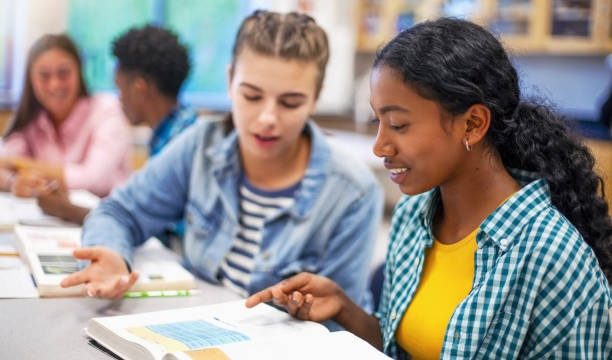
One of the most delightful aspects of open learning is the sense of community it fosters. In traditional educational settings, students often find themselves isolated in their learning journeys, focusing solely on their individual grades. However, open learning encourages collaboration and interaction. When learners come together to share their experiences, insights, and challenges, they create a rich tapestry of knowledge.
Consider a community garden project where individuals of all ages gather to cultivate plants. This initiative is not just about growing vegetables; it’s about exchanging tips, sharing stories, and learning from one another. Such interactions can be incredibly enriching, as they blend practical skills with social connections. By working together, participants not only enhance their gardening abilities but also build friendships and a sense of belonging.
Embracing failure as part of the journey
Another significant aspect of open learning is the acceptance of failure as a natural part of the learning process. In traditional educational settings, the fear of making mistakes can hinder exploration and creativity. However, open learning encourages a mindset that views failures as opportunities for growth.
For instance, someone trying to learn a musical instrument may struggle initially, but through open learning, they can find resources that emphasize practice and persistence. They might connect with others who have faced similar challenges and discover that failure is simply a stepping stone toward mastery. This shift in perspective can be liberating, enabling learners to approach new skills with enthusiasm rather than trepidation.
A path to lifelong learning
As we navigate through life, the importance of lifelong learning becomes increasingly evident. Open learning nurtures this ethos by providing the tools and resources to continue growing beyond formal education. Whether it’s picking up a new hobby, exploring a different career path, or simply satisfying a curiosity, open learning offers the flexibility to evolve at any stage of life.
The rise of online platforms has made it easier than ever to access a wealth of knowledge. From coding to photography, the options are limitless. This accessibility empowers individuals to take charge of their learning journeys, making it possible to pursue passions that may have otherwise remained dormant.
Finding joy in the journey
Ultimately, open learning is about finding joy in the journey of discovery. It encourages individuals to explore, experiment, and engage with the world around them. This approach to learning is not solely about acquiring knowledge; it’s about fostering a sense of wonder and appreciation for the process.
When we shift our focus from the destination to the journey itself, we open ourselves up to a world of possibilities. We begin to see learning as an integral part of life, woven into our daily experiences. Whether it’s learning to paint, understanding a new language, or mastering a new recipe, each small step contributes to our growth.
As you consider your own learning path, think about how open learning can play a role in your life. What skills or interests have you always wanted to explore? Perhaps it’s time to take that first step. Remember, the journey of a thousand miles begins with a single step, and in the realm of open learning, every step is valued.
In a society that often emphasizes the importance of credentials and formal education, open learning reminds us that knowledge is not confined to traditional pathways. It invites us to embrace our curiosity, connect with others, and find practical applications for what we learn. So, whether you’re revisiting an old passion or discovering a new one, open learning can be a beautiful companion on your journey toward personal and practical growth.