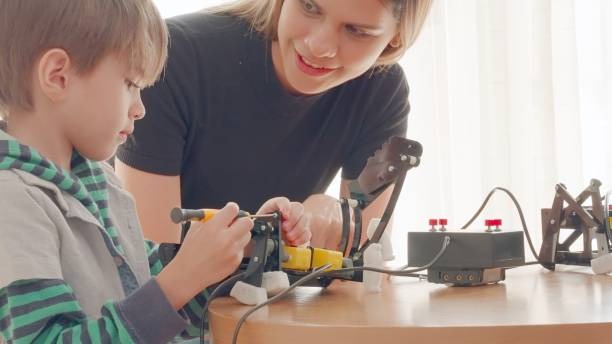
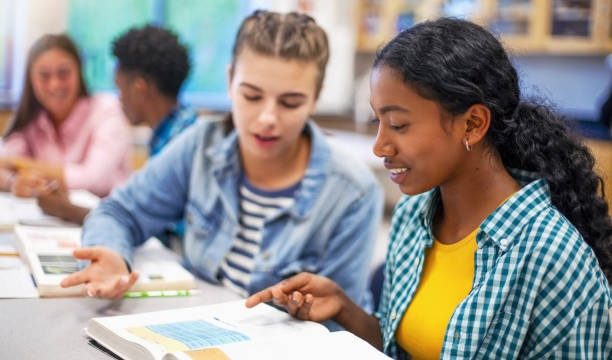
In a world that often feels dominated by screens and digital interactions, the concept of open learning for hands-on skills is a refreshing breath of fresh air.
This approach invites us to step away from our keyboards and engage with our surroundings in a tactile, meaningful way.
Open learning, in this context, refers to educational experiences that are accessible to everyone and encourage exploration, creativity, and practical application. Whether it’s crafting, cooking, woodworking, or gardening, the journey of acquiring hands-on skills is not just about the end result; it’s about the process itself.
The beauty of open learning lies in its inclusivity. Anyone with a desire to learn can dive in, regardless of their background or prior experience. This democratization of knowledge is empowering; it opens doors to those who may have felt excluded from traditional educational settings. Imagine a community workshop where individuals of all ages gather to learn woodworking together. The atmosphere buzzes with enthusiasm as ideas flow, and mistakes become stepping stones to mastery. This kind of environment fosters a sense of belonging and shared purpose, making learning an enjoyable part of life rather than a chore.
Engaging in hands-on skills also nurtures a deeper connection to the material world. In our fast-paced, digital age, it’s easy to lose sight of the tactile pleasures that come from creating something with our own hands. The act of kneading dough, shaping clay, or planting seeds grounds us, reminding us of the simple joys that can be found in the physicality of life. Each skill acquired becomes a thread in the fabric of our daily existence, weaving a richer, more textured experience.
A small shift toward balance can occur when we embrace these hands-on experiences. Many of us lead busy lives, often prioritizing work and obligations over personal hobbies. However, dedicating time to learn a new skill can be a form of self-care. It allows us to slow down, breathe, and find joy in the present moment. Think about the satisfaction that comes from crafting a beautiful piece of art or successfully growing your own herbs. These experiences bring a sense of accomplishment that is both fulfilling and restorative.
Moreover, hands-on skills often encourage a mindset of experimentation and resilience. When we step into the realm of crafting or building, we inevitably encounter challenges. Perhaps a knitting project doesn’t turn out as planned, or a recipe doesn’t yield the expected results. Each failure is an opportunity for growth, teaching us to approach problems with curiosity rather than fear. This shift in perspective can have far-reaching effects, instilling confidence and a willingness to take risks in other areas of our lives.
Community plays a crucial role in the open learning landscape. Many local organizations, makerspaces, and community centers offer workshops and classes that bring people together to share knowledge and skills. These gatherings create a vibrant atmosphere where collaboration thrives. You might find yourself learning how to build a birdhouse alongside someone who has been honing their carpentry skills for years. The exchange of ideas and support enriches the learning experience, making it more than just an individual journey; it becomes a collective celebration of creativity and ingenuity.
As we engage in open learning, we also cultivate a sense of mindfulness. The focus required to master a new skill pulls us into the present, allowing us to escape the distractions of daily life. When we are fully engaged in the act of creation, we become attuned to our thoughts and feelings, fostering a deeper understanding of ourselves. This mindfulness can extend beyond the crafting table or garden bed, influencing how we interact with the world around us.
Additionally, the skills we acquire through open learning can serve as a bridge to sustainability. Many hands-on activities encourage us to embrace more eco-friendly practices. Learning to sew or repair clothes, for instance, reduces waste and promotes a more sustainable lifestyle. Cooking from scratch with fresh ingredients not only nourishes our bodies but also supports local farmers and reduces our carbon footprint. By cultivating these skills, we become more conscious consumers and stewards of the environment.
As we consider the impact of open learning on our lives, it’s essential to recognize the role of technology. While we often associate technology with disconnection, it can also serve as a powerful tool for enhancing hands-on learning. Online platforms and social media can connect us to a world of tutorials, classes, and communities focused on various skills. This digital aspect complements the physical experience, allowing us to learn from experts and share our progress with others. It’s a beautiful blend of old and new, where tradition meets innovation.
In the end, open learning for hands-on skills is about more than just acquiring knowledge; it’s about embracing a lifestyle that values creativity, connection, and personal growth. It invites us to explore our interests, engage with our communities, and foster a sense of belonging. As we navigate this journey, we discover that the skills we gain are not just tools for creating; they are pathways to deeper understanding and fulfillment.
So, whether you’re picking up a paintbrush, dusting off a sewing machine, or getting your hands dirty in the garden, remember that every small step you take is part of a larger journey. Open learning is not just an educational approach; it’s a way of life that encourages us to savor the process and celebrate the beauty of creation, one skill at a time. Embrace the adventure, and let your hands lead the way.