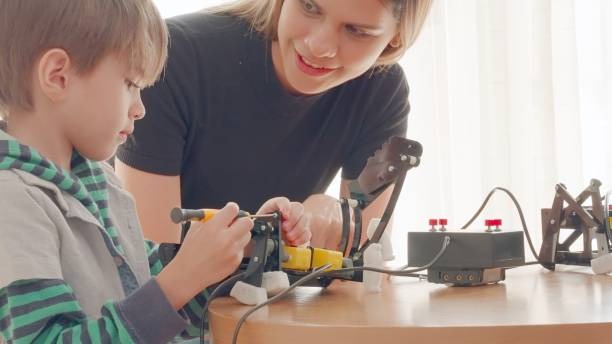
Learning new skills can be one of the most rewarding experiences in life.
Whether you’re picking up a musical instrument, learning a new language, or exploring the world of cooking, the journey of skill development can enrich your everyday existence.
However, it’s not always easy. At times, the path can feel overwhelming, and that’s perfectly normal. Embracing a few thoughtful approaches can make all the difference.
A gentle approach to learning
When approaching a new skill, it’s essential to maintain a gentle mindset. Often, we can be our harshest critics, setting lofty expectations that lead to frustration. Instead of pressuring yourself to achieve perfection right away, allow yourself the grace to be a beginner. Acknowledging that everyone starts somewhere can free you from the weight of unrealistic standards. Remember, it’s about progress, not perfection. By focusing on the small victories along the way, you’ll find joy in the process itself.
Creating a nurturing environment
Your surroundings can significantly influence your ability to learn. Consider transforming your space into a nurturing environment that inspires creativity and focus. This could mean decluttering your workspace, adding personal touches that motivate you, or even curating a playlist that energizes your learning sessions. When you create a space that reflects your aspirations, it becomes easier to immerse yourself in your new skill. Surrounding yourself with positive reminders of your goals can act as a gentle nudge to keep you engaged.
Finding the right resources
In today’s digital age, there’s a wealth of resources available to help you learn almost any skill imaginable. However, not all resources are created equal. Invest some time in finding those that resonate with you. This could be an online course, a local workshop, or even a book that captures your interest. Look for materials that not only teach the skill but also inspire and motivate you. Engaging with passionate instructors or supportive communities can enrich your learning experience and provide encouragement along the way.
Setting realistic goals
As you embark on your learning journey, it’s helpful to set realistic and achievable goals. Rather than aiming for a grand outcome right away, break your skill down into smaller, manageable milestones. This approach allows you to celebrate accomplishments along the way, reinforcing your motivation. For instance, if you’re learning to play the guitar, focus on mastering a simple chord progression before tackling more complex pieces. Each small success builds your confidence, making the overall journey feel more attainable.
The power of practice
Practice is often touted as the key to skill development, and for good reason. However, it’s not just about putting in the hours; it’s about practicing mindfully. Aim to engage with your skill regularly, even in short bursts. Consistency is more crucial than duration. Setting aside just a few minutes every day can be more beneficial than longer, infrequent sessions. During these practice times, try to be fully present, minimizing distractions. This mindful approach can enhance your learning experience and deepen your connection to the skill.
Embracing mistakes
Mistakes are an inevitable part of learning, yet they are often viewed negatively. Shifting your perspective on mistakes can transform your learning experience. Instead of seeing them as failures, view them as opportunities for growth. Each mistake provides insight and lessons that can help you improve. Embracing this mindset allows you to approach challenges with curiosity rather than fear. Remember, even the most accomplished individuals have faced setbacks on their journeys. It’s all part of the process.
Building a supportive community
Learning a new skill can sometimes feel isolating, but it doesn’t have to be. Connecting with others who share your interests can provide motivation, encouragement, and valuable feedback. Look for local clubs, online forums, or social media groups where you can engage with like-minded individuals. Sharing your experiences, challenges, and successes can foster a sense of belonging and keep you inspired. Plus, learning from others can introduce you to new techniques and perspectives that enrich your own practice.
Reflecting on your journey
As you progress in developing your skill, it’s important to take time to reflect on your journey. Consider keeping a journal where you can document your experiences, thoughts, and feelings. Reflecting on your growth can provide insight into the methods that work best for you and help you identify areas where you might want to focus more attention. Celebrating your progress, no matter how small, reinforces your commitment and can reignite your passion for learning.
Staying curious
Curiosity is a powerful ally in the pursuit of new skills. Allow your interests to guide you and explore related areas that spark your enthusiasm. For example, if you’re learning to paint, delve into art history or experiment with different styles and techniques. This broadening of your horizons can deepen your understanding and appreciation of your chosen skill. Staying curious keeps the excitement alive and can lead to unexpected discoveries that enhance your learning experience.
Finding joy in the process
Ultimately, the goal of learning a new skill should be to find joy in the process. While it’s natural to want to achieve mastery, try to focus on the enjoyment that comes from exploration and creativity. Allow yourself to be playful and experiment without the pressure of performance. When you approach learning with a sense of wonder, you may find that the journey itself becomes as fulfilling as the destination.
In conclusion, developing new skills is a beautiful journey filled with opportunities for growth and self-discovery. By nurturing a gentle mindset, creating a supportive environment, and embracing the process, you can cultivate a fulfilling learning experience. Remember to celebrate your progress, stay curious, and most importantly, enjoy every moment of the adventure. After all, the true value lies not just in what you learn, but in how it enriches your life.