In a world where traditional schooling has long been the norm, it’s refreshing to see a growing movement toward creative alternatives that embrace different learning styles and philosophies.
Parents and educators alike are exploring innovative paths that cater to the unique needs of each child, fostering a love of learning while nurturing their individuality.
Let’s delve into some of these inspiring alternatives and discover how they can enrich the educational experience.
A gentle shift toward flexibility
One of the most appealing aspects of alternative education is its inherent flexibility. Traditional schooling often adheres to a rigid schedule and standardized curriculum, which may not suit every learner. In contrast, options like unschooling allow children to take the reins of their education. This approach encourages them to pursue their interests, fostering natural curiosity and self-directed exploration. Imagine a child who spends a day immersed in nature, learning about ecosystems while collecting leaves and observing wildlife. This experiential learning can be incredibly powerful and memorable, creating a deep connection to the subject matter.
Additionally, project-based learning is gaining traction in many educational circles. This method emphasizes hands-on projects that are relevant to students’ lives, allowing them to collaborate, problem-solve, and think critically. By working on real-world challenges, children develop skills that are not only academically valuable but also essential for navigating life beyond the classroom.
Cultivating community through co-ops
Another wonderful alternative to standard schooling is the rise of learning co-ops. These small, community-driven groups bring together families who share similar educational philosophies. Parents and caregivers collaborate to create a curriculum that reflects their values and interests, often blending elements of traditional education with experiential learning.
In a co-op setting, children benefit from a diverse range of perspectives and skills, as each family contributes unique expertise. One week, a parent might lead a science experiment, while another may share their artistic talents in a creative workshop. This sense of community not only enriches the learning experience but also builds lasting friendships among families.
Exploring the world through travel
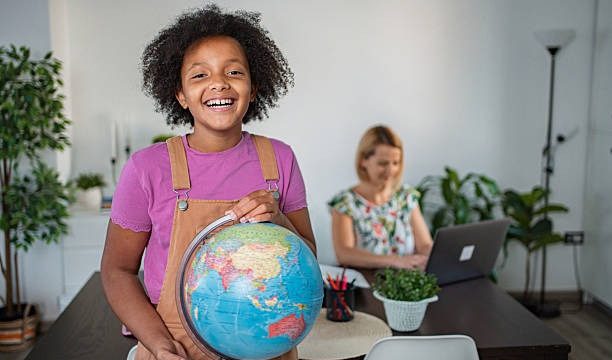
For families with a sense of adventure, worldschooling offers a captivating approach to education. This philosophy encourages families to travel and immerse themselves in different cultures, turning the globe into a vibrant classroom. Learning about history, geography, and languages becomes an engaging, hands-on experience as children explore ancient ruins, visit museums, and interact with local communities.
Worldschooling fosters adaptability and open-mindedness, qualities that are increasingly valuable in our interconnected world. Children learn to appreciate diversity and develop a global perspective, which can shape them into compassionate and informed citizens.
Embracing the arts
Artistic expression is another vital component of alternative education that deserves recognition. Many families are turning to arts-based learning, where creativity is placed at the forefront of the educational experience. This approach encompasses a range of disciplines, from visual arts to music and performing arts, allowing children to explore their talents and interests fully.
Engaging with the arts can enhance cognitive development, improve emotional well-being, and foster critical thinking. Whether through painting, dancing, or playing an instrument, children learn to express themselves and communicate their ideas in diverse ways. Moreover, the collaborative nature of many artistic endeavors encourages teamwork and social skills, which are invaluable throughout life.
Nature as a teacher
Nature-based education is another beautiful alternative that reconnects children with the natural world. Programs that incorporate outdoor learning encourage children to explore their surroundings, fostering a sense of wonder and respect for the environment. Whether through nature walks, gardening, or wildlife observation, children gain hands-on experience that deepens their understanding of ecological systems.
Moreover, spending time outdoors has been shown to have numerous benefits for mental health and well-being. Nature can be a calming presence, offering a respite from the fast-paced demands of modern life. By intertwining education with nature, children learn to appreciate the beauty of the world around them while developing a sense of stewardship for the planet.
Nurturing individual strengths
At the heart of these alternative educational approaches is a focus on nurturing each child’s unique strengths and interests. In contrast to the one-size-fits-all model of traditional schooling, alternative methods prioritize personalized learning experiences. This means recognizing that each child has their own pace, style, and areas of passion.
By tailoring education to suit individual needs, children are more likely to thrive and develop a lifelong love of learning. This approach not only fosters academic success but also nurtures confidence, resilience, and a sense of purpose.
Creating a balanced lifestyle
As we explore these creative alternatives, it’s essential to consider the impact on overall well-being. Education is not just about academics; it encompasses emotional, social, and physical health. Alternative schooling methods often emphasize balance, allowing children to cultivate their interests while also prioritizing self-care and mindfulness.
Integrating practices such as yoga, meditation, or outdoor play can enhance focus, reduce stress, and promote emotional intelligence. By fostering a holistic approach to education, families can help children thrive in all aspects of their lives, preparing them for a fulfilling future.
The joy of discovery
Ultimately, the alternatives to standard schooling invite us to reimagine education as a joyful and enriching journey. Whether through unschooling, co-ops, worldschooling, or arts-based learning, these approaches celebrate the diversity of learning styles and the importance of fostering curiosity and creativity.
As we shift away from traditional models, we open the door to new possibilities that honor each child’s unique path. By embracing these creative alternatives, we can cultivate a generation of learners who are not only knowledgeable but also compassionate, adaptable, and empowered to make their mark on the world. In this way, education becomes a lifelong adventure filled with discovery, growth, and connection.