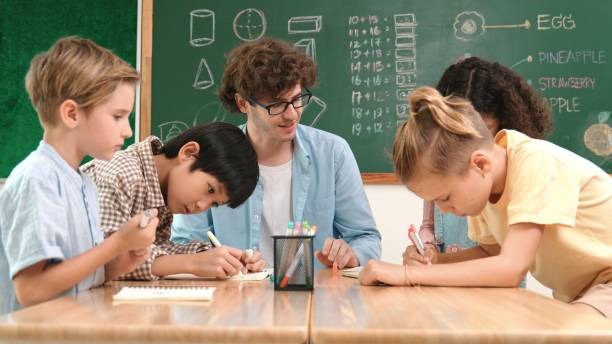
In our fast-paced world, the concept of learning has evolved dramatically.
Gone are the days when education was confined to rigid schedules and traditional classrooms.
Today, flexible learning stands out as a supportive choice, inviting individuals to tailor their educational experiences according to their lifestyles and personal needs. This approach not only fosters a love for learning but also enhances overall well-being.
The beauty of flexible learning lies in its adaptability. It is designed to accommodate a variety of life circumstances, whether you are a busy parent juggling family responsibilities, a working professional seeking to upskill, or someone exploring new passions. This model allows students to choose when, where, and how they engage with their studies. By breaking free from the constraints of a conventional classroom, individuals can create a balanced lifestyle that nurtures both personal and academic growth.
A small shift toward balance can make a world of difference. When education aligns with daily life, it becomes less of a chore and more of an enriching experience. Imagine studying in the comfort of your own home, at your favorite café, or even while traveling. This flexibility encourages learners to integrate their studies into their routines seamlessly, leading to a more fulfilling and less stressful learning journey.
Moreover, flexible learning empowers individuals to take charge of their educational paths. With a plethora of online courses, workshops, and resources available at our fingertips, learners can explore subjects that resonate with their interests and career goals. This autonomy fosters a sense of ownership over one’s education, igniting a passion for lifelong learning. When students feel connected to what they are learning, they are more likely to engage deeply and retain information effectively.
In addition to personal growth, flexible learning offers a supportive community. Online platforms and social media groups bring together learners from diverse backgrounds and experiences. This sense of belonging can be incredibly motivating, as individuals share insights, challenges, and successes. Connecting with like-minded peers can transform the educational experience into a collaborative journey, where support and encouragement are just a message away.
Flexibility also allows for a tailored approach to learning styles. Each person has unique preferences when it comes to absorbing information. Some may thrive in visual environments, while others prefer auditory or kinesthetic methods. With flexible learning, individuals can experiment with different formats—videos, podcasts, interactive modules, or written materials—to discover what works best for them. This personalized approach not only enhances understanding but also cultivates a deeper appreciation for the learning process.
As we navigate the complexities of modern life, the importance of mental health cannot be overstated. The pressures of balancing work, family, and personal aspirations can be overwhelming. Flexible learning offers a gentle remedy by allowing individuals to pace themselves. It encourages learners to prioritize their well-being, taking breaks when needed and celebrating small victories along the way. This mindful approach creates a healthier relationship with education, where stress is minimized, and joy in learning is maximized.
Engaging in flexible learning can also lead to the development of essential life skills. Time management, self-discipline, and goal-setting become crucial as individuals navigate their educational journeys. These skills are transferable to various aspects of life, from professional settings to personal relationships. By learning to balance responsibilities and commitments, individuals foster resilience and adaptability—qualities that are invaluable in today’s ever-changing world.
The rise of technology has further enhanced the accessibility of flexible learning. Online platforms provide a wealth of knowledge that was once confined to physical locations. From renowned universities offering remote courses to niche platforms catering to specific interests, the options are virtually limitless. This democratization of education means that anyone with an internet connection can pursue their passions and expand their skill sets, regardless of geographical or financial barriers.
Though flexible learning offers numerous advantages, it is important to approach it with mindfulness. The freedom it provides can sometimes lead to distractions or procrastination. Setting clear goals and maintaining a structured routine can help individuals stay on track while still enjoying the benefits of flexibility. It is about finding a harmonious balance that works for each person.
As we embrace the possibilities of flexible learning, it’s essential to remember that this approach is not just about academic achievement. It is a holistic journey that nurtures the mind, body, and spirit. By prioritizing our educational experiences in alignment with our lifestyles, we create space for growth, creativity, and exploration. The supportive nature of flexible learning invites us to be curious, to ask questions, and to seek knowledge in ways that resonate deeply with us.
In conclusion, flexible learning emerges as a beacon of support in a world that often feels chaotic. It champions the idea that education should not be a source of stress but rather a pathway to empowerment and enrichment. By embracing this approach, we can cultivate a lifelong love of learning, foster meaningful connections, and ultimately lead more balanced and fulfilling lives. So, whether you’re diving into a new hobby or advancing your career, remember that flexible learning is here to support you every step of the way.