Education is an ever-evolving landscape, a vibrant tapestry woven with threads of innovation, technology, and the timeless human desire to learn.
Today, we stand on the brink of a transformative era in education—one that promises to enhance our experiences, broaden our horizons, and redefine what it means to learn.
As we navigate this exciting journey, let’s explore how the future of education is unfolding right before our eyes, and how we can embrace it in our daily lives.
A shift in perspective
Traditionally, education has often been viewed as a linear process, confined to classrooms with rigid schedules. However, the future invites us to rethink this paradigm. Learning is no longer just about memorizing facts or completing assignments; it’s about cultivating curiosity, fostering creativity, and nurturing critical thinking. This shift in perspective encourages us to see education as a lifelong journey, one that continues well beyond the confines of formal schooling.
With the rise of online courses, podcasts, and educational apps, knowledge is at our fingertips like never before. Whether you’re interested in picking up a new language, mastering a musical instrument, or exploring the intricacies of quantum physics, there’s a wealth of resources available to satisfy your thirst for knowledge. The future of education is about personalization, allowing individuals to tailor their learning experiences to suit their unique interests and goals.
The role of technology
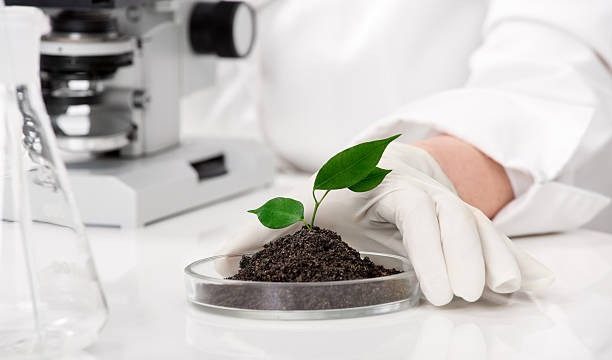
Technology plays a pivotal role in shaping this new educational landscape. Virtual classrooms, interactive simulations, and augmented reality experiences are just a few examples of how technology is transforming the way we learn. Imagine attending a history lesson where you can virtually walk through ancient civilizations or a science class that allows you to conduct experiments in a safe, simulated environment. These immersive experiences not only make learning more engaging but also deepen our understanding of complex concepts.
Moreover, technology fosters collaboration across geographical boundaries. Students can now connect with peers from different cultures, sharing perspectives and insights that enrich the learning experience. This global connectivity nurtures empathy and understanding, preparing individuals to thrive in an increasingly interconnected world.
A focus on well-being
As we embrace the future of education, it’s essential to prioritize well-being alongside academic achievement. In a fast-paced world, the pressure to excel can sometimes overshadow the joy of learning. The future of education recognizes the importance of mental health and emotional resilience, integrating mindfulness practices and social-emotional learning into curricula. Schools and educational institutions are beginning to understand that a healthy mind fosters a fertile ground for growth and creativity.
Implementing practices such as meditation, yoga, or simply encouraging open conversations about mental health can create a supportive environment where students feel valued and understood. When individuals are nurtured holistically, they are more likely to engage deeply with their studies, fostering a love for learning that lasts a lifetime.
Community and collaboration
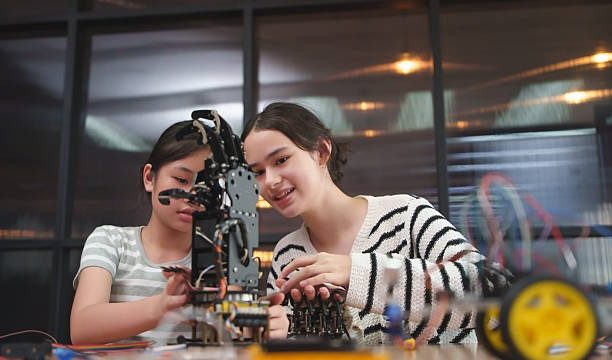
The future of education is not just about individual learning; it’s about building communities. Collaborative projects, group discussions, and peer-to-peer learning are becoming essential components of the educational experience. These interactions not only enhance critical thinking and communication skills but also foster a sense of belonging.
In this interconnected world, the importance of community cannot be overstated. Learning is enriched when we share our experiences and insights with others. Educational institutions are increasingly recognizing the value of partnerships with local organizations, businesses, and even families, creating a supportive network that enhances the learning experience.
Exploring diverse pathways
In this new educational landscape, standardized testing and rigid curricula are giving way to diverse pathways that honor individual strengths and aspirations. Alternative education models, such as project-based learning and competency-based education, provide students with opportunities to explore their passions and develop practical skills. This approach empowers learners to take ownership of their education, fostering a sense of agency that is crucial for success in today’s dynamic world.
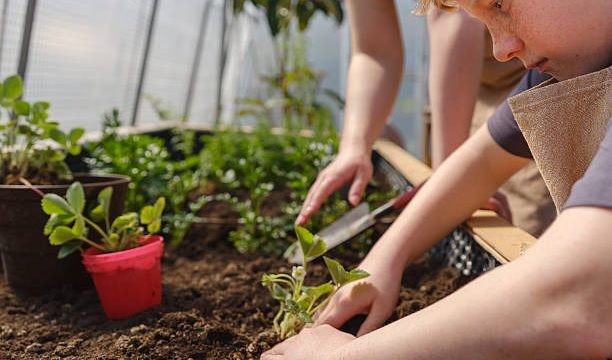
Moreover, vocational training and apprenticeships are gaining recognition as viable and valuable educational options. These pathways offer hands-on experience and practical skills that can lead to fulfilling careers, providing a counterbalance to the traditional academic route. As we explore these diverse pathways, we open doors for creativity and innovation in the workforce.
The importance of adaptability
As we journey further into the future of education, adaptability emerges as a key trait for both learners and educators. The world is changing at an unprecedented pace, and the ability to pivot, embrace change, and learn new skills is more important than ever. The focus is shifting from rote memorization to fostering a growth mindset, where challenges are seen as opportunities for learning and growth.
Educators are also evolving, embracing new teaching methodologies and technologies to meet the needs of diverse learners. Professional development and continuous learning for educators are becoming essential components of a thriving educational environment. By staying adaptable, educators can inspire their students to do the same, creating a culture of resilience and lifelong learning.
Embracing the journey
As we experience the future of education today, it’s essential to approach this journey with an open heart and a curious mind. The landscape may be shifting, but the essence of learning remains the same: a deep-seated desire to understand the world around us and to connect with one another.
In this new era, we have the opportunity to redefine education as a holistic, inclusive, and enriching experience. Whether you are a student, an educator, or simply a lifelong learner, embracing the future of education invites us to participate in a vibrant dialogue about what it means to learn and grow together.
So, let’s step into this exciting future with enthusiasm and courage, ready to explore the endless possibilities that lie ahead. Together, we can create an educational experience that not only prepares us for the challenges of tomorrow but also inspires us to dream bigger, learn deeper, and connect more profoundly with one another.