In our fast-paced world, the importance of support in education cannot be overstated.
Whether you’re a student navigating the complexities of a new subject or a parent striving to understand your child’s learning journey, finding the right support can make all the difference.
The beauty of learning lies in its shared experience, and the support we receive can transform challenges into opportunities for growth.
As we embark on this exploration of support in every lesson, it’s essential to recognize that learning is not a solitary endeavor. It thrives in an environment where encouragement, understanding, and resources are readily accessible. Each lesson, whether in a classroom or at home, offers a chance to cultivate not only knowledge but also resilience and confidence.
A gentle reminder of our shared humanity is often what we need to flourish. This is where the role of mentors and teachers becomes significant. They are not just educators; they are guides who illuminate paths that may seem daunting. Their support is often the beacon that helps students navigate through confusion and uncertainty. When a teacher shows patience and understanding, it fosters a sense of safety that allows students to take risks, ask questions, and ultimately learn more deeply.
The experience of learning can be enriched by collaboration. When students engage with peers, they share insights and perspectives that can enhance understanding. Support is not limited to a one-way street; it flows in multiple directions. Group work or study sessions can create a community of learners who uplift one another. In such an environment, students feel empowered to express themselves freely and to explore ideas without the fear of judgment. The lessons learned from each other often extend far beyond textbooks, teaching valuable life skills such as communication, empathy, and teamwork.
For many, the journey of learning is accompanied by obstacles. Whether it’s grappling with a challenging concept or dealing with personal issues that affect focus, these hurdles can feel overwhelming. This is where emotional support comes into play. Having someone to talk to, whether a friend, family member, or counselor, can provide the reassurance needed to overcome these challenges. A small shift toward balance can often be achieved by simply sharing one’s struggles. It’s a reminder that no one is alone in their journey, and seeking help is not a sign of weakness but rather an act of strength.
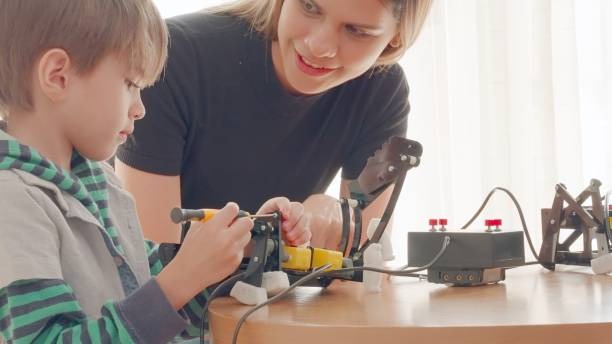
Parents also play a crucial role in providing support. Their involvement can significantly influence a child’s educational experience. Encouragement at home, whether through discussions about school or providing a quiet space for study, creates a supportive atmosphere. It is not just about helping with homework; it’s about nurturing a love for learning. When children see their parents engaged and interested, it instills in them a sense of value in their own education. This connection can ignite curiosity and motivate them to pursue knowledge with enthusiasm.
As we explore the various facets of support in education, it’s important to acknowledge the resources available beyond the traditional classroom. Online platforms, tutoring services, and educational workshops can provide additional layers of assistance. These resources can be tailored to individual learning styles, ensuring that everyone has access to the support they need. The flexibility offered by technology allows learners to engage with materials at their own pace, fostering a more personalized learning experience.
In our quest for knowledge, it’s also vital to recognize the importance of self-care. Learning can be intense, and taking care of one’s well-being is essential for maintaining focus and motivation. Simple practices such as mindfulness, regular breaks, and physical activity can enhance cognitive function and emotional resilience. When we prioritize our mental and physical health, we set the stage for more effective learning. Support is not only about external influences; it begins with the way we treat ourselves.
Creating a supportive environment extends to cultivating a culture of kindness and respect in educational spaces. Encouraging an atmosphere where everyone feels valued can lead to profound changes in how lessons are received and understood. When students know that their voices matter, they are more likely to participate actively and engage with the material. This sense of belonging can be transformative, turning the classroom into a sanctuary for growth and exploration.
As we reflect on the support we need in every lesson, it becomes clear that the journey of learning is one of connection. It’s about building relationships with those who guide us, those who learn alongside us, and even with ourselves. Each lesson is enriched by the interactions we share, the challenges we face together, and the triumphs we celebrate.
In this intricate tapestry of education, every thread contributes to a larger picture of growth and understanding. By embracing the support available to us, we can navigate the complexities of learning with grace and resilience. Ultimately, it’s about recognizing that we are all part of a collective journey, one that is filled with possibilities and endless opportunities for discovery.
So, as you embark on your next lesson, take a moment to appreciate the support that surrounds you. Whether it’s the encouraging words of a teacher, the camaraderie of classmates, or the love of family, remember that you are never alone. Each step you take is a testament to your courage and determination, and with the right support, you can achieve remarkable things.