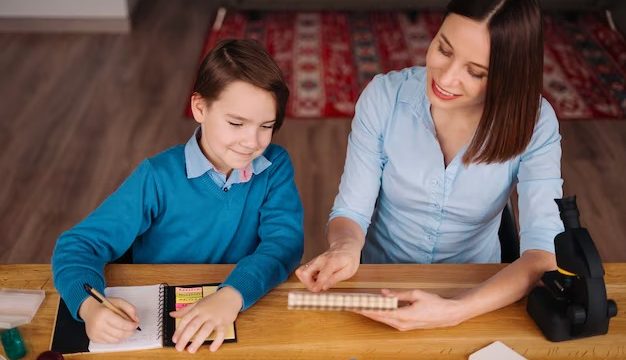
In the ever-evolving landscape of education, blended learning has emerged as a fascinating approach that marries traditional classroom experiences with the flexibility of online learning.
This dynamic blend not only caters to diverse learning styles but also opens up new avenues for creativity.
By integrating various tools and platforms, educators can cultivate an environment that encourages innovative thinking and self-expression.
Understanding blended learning can sometimes feel overwhelming, but at its core, it’s about creating a harmonious balance between face-to-face interactions and digital engagement. The beauty of this approach is that it allows students to explore their creativity in ways that resonate with them personally. Let’s explore some blended learning tools that can help foster this creativity, making learning not just an obligation but a joyful experience.
A gentle introduction to digital storytelling
Digital storytelling is one of the most powerful tools in a blended learning environment. It allows students to combine their imagination with technology, crafting narratives that reflect their thoughts and ideas. Platforms like Adobe Spark or Storybird provide intuitive interfaces where learners can create visually captivating stories, blending text, images, and even audio.
By engaging in digital storytelling, students can express themselves more freely, exploring themes that resonate with them. Whether they’re recounting a personal experience or inventing a fantastical tale, the ability to weave their narratives into a digital format encourages them to think critically about their content and presentation. This process not only nurtures creativity but also enhances their communication skills, which are invaluable in today’s interconnected world.
Exploring the world of interactive learning
Another enriching aspect of blended learning is the use of interactive tools that transform passive learning into an engaging experience. Platforms like Nearpod or Kahoot! allow educators to create interactive lessons that encourage student participation.
Imagine a classroom where students are not just recipients of information but active contributors. With interactive quizzes, polls, and collaborative activities, learners can share their insights and ideas in real-time. This not only fosters a sense of community but also sparks creativity as students collaborate on projects or brainstorm solutions to problems. The interactive nature of these tools can lead to a deeper understanding of the subject matter while also igniting a passion for exploration and discovery.
Embracing creative collaboration
Collaboration is a cornerstone of creativity, and blended learning offers ample opportunities for students to work together, even if they are not physically in the same space. Tools like Google Workspace or Microsoft Teams enable seamless collaboration on projects, allowing students to share ideas, provide feedback, and build upon each other’s work.
When students collaborate, they are exposed to different perspectives and approaches, which can inspire them to think outside the box. This environment fosters a sense of belonging and encourages them to take risks with their ideas. The process of bouncing ideas off one another can lead to unexpected connections and innovative solutions, making learning a shared adventure rather than a solitary endeavor.
Nurturing creativity through art and design
Art and design play a significant role in fostering creativity, and blended learning tools can help students explore these fields in exciting ways. Platforms like Canva or Tinkercad allow learners to unleash their artistic potential, whether it’s through graphic design, 3D modeling, or crafting visual presentations.
By incorporating art into their learning, students can express complex concepts visually, making them more accessible and engaging. This not only enhances their understanding but also allows for a personal touch in their work. The freedom to create and design can be incredibly liberating, giving students the confidence to experiment and innovate without the fear of making mistakes.
A small shift toward balance
While technology is a wonderful enabler of creativity, it’s essential to strike a balance between digital tools and traditional methods. Blended learning thrives on the synergy between online resources and in-person interactions, allowing students to benefit from both worlds.
Encouraging students to engage in hands-on activities, such as workshops or outdoor projects, complements their digital experiences. This holistic approach not only nurtures creativity but also promotes well-being by providing a variety of learning experiences. When students can switch between digital and physical spaces, they are more likely to stay engaged and inspired.
Reflecting on the journey
As students navigate their blended learning experiences, reflection becomes a vital component of their creative journey. Tools like ePortfolios or blogs allow learners to document their progress, articulate their thoughts, and showcase their work.
This reflective practice encourages them to think critically about their creative processes and the skills they are developing along the way. By having a space to share their reflections, students can celebrate their achievements and identify areas for growth, fostering a mindset of continuous learning.
Embracing the future of education
As we look to the future of education, the integration of blended learning tools that foster creativity will undoubtedly play a pivotal role. By embracing these innovative approaches, educators can create vibrant learning environments that cater to the diverse needs of their students.
In this journey, it’s essential to remember that creativity thrives when students feel supported and empowered. By providing them with the right tools and opportunities, we can help cultivate a new generation of thinkers, problem-solvers, and creators who are not only prepared for the challenges of tomorrow but also inspired to make their mark on the world.
In conclusion, blended learning is more than just a method of instruction; it’s an invitation to explore, create, and collaborate. By incorporating various tools that nurture creativity, we can transform the educational experience into a journey filled with wonder and possibility. As we move forward, let’s embrace the potential of blended learning to inspire creativity and ignite the passions of learners everywhere.