In today’s ever-evolving educational landscape, the concept of blended learning has emerged as a beacon of hope for both educators and students.
This approach combines traditional classroom methods with digital resources, creating a harmonious blend that can cater to diverse learning styles and needs.
Personalizing instruction through blended learning not only enhances the educational experience but also fosters a deeper connection between students and their learning journeys.
The beauty of blended learning lies in its flexibility. Imagine a classroom where students are not confined to a single pace or method of learning. Instead, they can explore topics that resonate with their interests while receiving guidance tailored to their unique abilities. This personalized approach empowers students to take ownership of their education, allowing them to flourish in ways that traditional methods sometimes overlook.
A small shift toward balance can have a profound impact on how students engage with their lessons. By integrating technology, educators can create a dynamic environment where students can work at their own pace. For instance, a student struggling with a particular concept can revisit video lectures or interactive modules at home, reinforcing their understanding before returning to the classroom. Meanwhile, those who grasp the material quickly can move forward, diving deeper into more challenging content without feeling held back.
Embracing a variety of learning modalities is essential in this journey. Blended learning encourages the use of visual, auditory, and kinesthetic resources, allowing students to engage with material in ways that resonate with their personal learning styles. For example, a student who thrives on visual aids might benefit from infographics or video content, while another who learns best through hands-on activities can participate in experiments or projects that bring the material to life. This multifaceted approach not only caters to individual preferences but also enriches the learning experience as a whole.
Creating a supportive and collaborative environment is another key aspect of personalizing instruction. In a blended learning setting, students can engage in peer-to-peer interactions, sharing insights and perspectives that enhance their understanding. Group projects, discussions, and online forums foster a sense of community, allowing students to learn from one another. This collaboration not only builds social skills but also instills a sense of belonging, which is vital for emotional well-being.
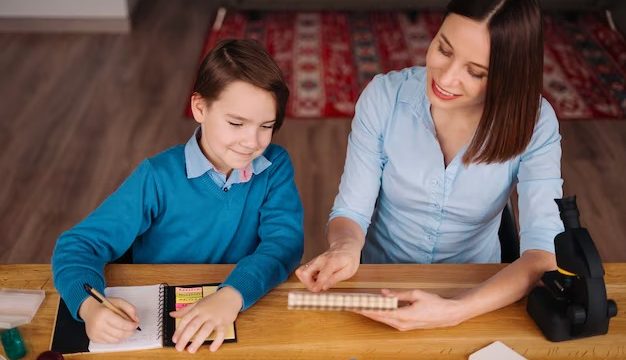
As educators navigate this blend of traditional and digital instruction, the role of the teacher transforms from a mere dispenser of knowledge to a facilitator of learning. Teachers can spend more time interacting with students on a personal level, offering tailored support and encouragement. This shift not only strengthens the teacher-student relationship but also helps educators identify individual challenges and milestones, allowing them to adjust their teaching strategies accordingly.
Incorporating student feedback into the blended learning model is another essential component of personalization. By actively seeking input from students about their experiences, educators can gain valuable insights into what works and what doesn’t. This feedback loop fosters a culture of continuous improvement, enabling teachers to refine their approaches and better meet the needs of their students. When students feel heard and valued, their engagement and motivation naturally increase.
A gentle embrace of technology can also open doors to a wealth of resources that enhance learning. Online platforms offer a treasure trove of educational materials, from interactive simulations to global collaboration opportunities. Students can explore subjects beyond the confines of their curriculum, discovering passions and interests that may shape their future. This access to diverse resources not only enriches their academic experience but also encourages lifelong learning—a vital skill in today’s fast-paced world.
While the benefits of blended learning are clear, it’s essential to recognize that this approach is not without its challenges. Access to technology and reliable internet can be barriers for some students, highlighting the importance of equitable solutions. Schools and communities must work together to ensure that all students have the tools they need to thrive in a blended learning environment. By addressing these disparities, we can create a more inclusive educational landscape that truly embraces personalization.
As we look to the future, the potential of blended learning to reshape education is exciting. The possibilities for personalization are vast, offering a pathway for students to engage deeply with their education. By embracing this approach, educators can cultivate an environment that not only values academic achievement but also nurtures the holistic development of each student.
In conclusion, personalizing instruction through blended learning is a journey that requires thoughtful consideration and a commitment to supporting every learner. By blending traditional teaching methods with innovative technology, we can create a vibrant educational experience that resonates with students on multiple levels. As we continue to explore this evolving landscape, let us remain focused on fostering connections, encouraging collaboration, and celebrating the unique paths each student takes in their quest for knowledge. Together, we can harness the power of blended learning to create a brighter, more personalized future for all.