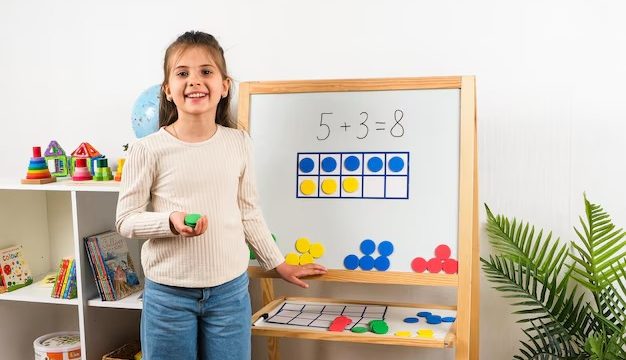
In the ever-evolving landscape of education, finding the right approach to engage students can feel like a quest for the holy grail.
With the rise of technology and the changing dynamics of learning, blended learning has emerged as a powerful method to create a more enriching educational experience.
Combining traditional face-to-face teaching with online components, blended learning offers a fresh perspective on how we can captivate students’ attention and foster deeper understanding.
A gentle fusion of tradition and innovation
At its core, blended learning represents a harmonious blend of conventional classroom instruction and the vast resources available online. This approach allows educators to leverage the strengths of both worlds, creating a more flexible and dynamic learning environment. Imagine a classroom where students can dive into interactive online modules at their own pace, then come together to discuss and collaborate on projects in person. It’s a beautiful dance between structure and freedom, where the possibilities for engagement are endless.
One of the most appealing aspects of blended learning is its adaptability. Every student is unique, with individual learning styles, preferences, and paces. By incorporating online elements, teachers can cater to these diverse needs more effectively. Some students may thrive in a more visual learning environment, while others may prefer hands-on activities or discussions. With blended learning, there’s room for all these styles to flourish, creating a rich tapestry of educational experiences.
The role of technology in student engagement
In today’s digital age, technology is more than just a tool; it’s an integral part of our lives. Students are naturally drawn to digital platforms, making it essential for educators to harness this interest. Blended learning taps into that curiosity, utilizing tools like videos, interactive quizzes, and online forums to create an engaging atmosphere. When students can interact with content in a way that feels relevant and exciting, they are more likely to invest their time and energy into their studies.
Moreover, technology facilitates a sense of community among students. Online platforms allow for collaboration beyond the confines of the classroom, enabling students to share ideas and support one another in ways that traditional methods sometimes cannot. This sense of connection can be incredibly motivating, as students see themselves as part of a larger learning community, fostering a sense of belonging and shared purpose.
Fostering autonomy and responsibility
One of the most profound benefits of blended learning is the opportunity it provides for students to take charge of their education. By allowing them to navigate online resources at their own pace, blended learning encourages autonomy and responsibility. Students learn to set goals for themselves, manage their time, and seek help when needed. This shift from passive learning to active engagement instills confidence and cultivates essential life skills that extend far beyond the classroom.
As students become more self-directed, they often find a renewed sense of motivation. When they have the freedom to explore topics that pique their interest, they are more likely to engage deeply with the material. This intrinsic motivation is a powerful catalyst for learning, transforming education from a chore into a journey of discovery.
Creating a supportive environment
While blended learning offers numerous benefits, it’s essential to remember that the human element remains at the heart of education. Building strong relationships between educators and students is crucial for fostering engagement. Teachers play a vital role in guiding students through their learning experiences, providing support, encouragement, and feedback. In a blended learning environment, this relationship can flourish in new ways.
For instance, teachers can use online platforms to check in with students more frequently, offering personalized feedback and encouragement. This ongoing dialogue helps students feel valued and supported, reinforcing their commitment to learning. Additionally, when teachers model enthusiasm for both in-person and online learning, they inspire students to embrace the blended approach with open arms.
A small shift toward balance
As we explore the potential of blended learning, it’s important to strike a balance. While technology can enhance engagement, it’s essential not to lose sight of the importance of face-to-face interactions. The classroom environment offers unique opportunities for socialization, collaboration, and emotional connection that cannot be replicated online. By finding the right balance between online and in-person activities, educators can create a holistic learning experience that nurtures both academic and personal growth.
Encouraging mindfulness in learning
In our fast-paced world, it’s easy to get caught up in the hustle and bustle of academic pressures. Blended learning offers an opportunity to encourage mindfulness in education. By allowing students to work at their own pace, they can approach their studies with a sense of calm and purpose. This mindful approach not only enhances engagement but also promotes overall well-being, helping students to develop a healthier relationship with learning.
As educators embrace blended learning, they are not only enhancing student engagement but also fostering a culture of curiosity and exploration. This approach encourages students to ask questions, seek knowledge, and develop a lifelong love of learning. In a world where the only constant is change, equipping students with the skills to adapt and thrive is invaluable.
In conclusion, blended learning represents a gentle revolution in education, offering a pathway to deeper student engagement. By combining the best of traditional teaching with the innovative possibilities of technology, we can create a vibrant and inclusive learning environment. This approach not only captivates students but also empowers them to take charge of their education in meaningful ways. As we continue to explore the potential of blended learning, let us embrace the journey with open hearts and minds, nurturing the next generation of curious, engaged learners.