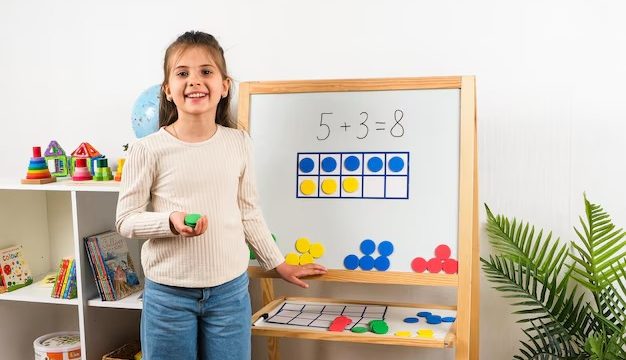
In recent years, the landscape of education has transformed dramatically, with online learning carving out a significant space in the classroom.
As educators, parents, and students navigate this new terrain, integrating online resources into traditional teaching methods can create a rich, engaging learning environment.
The beauty of online learning lies in its flexibility, accessibility, and the variety of resources available. By weaving digital tools into everyday lessons, we can enhance the educational experience, making it more engaging and relevant for our students.
A gentle introduction to digital learning
The transition to online learning often feels daunting, particularly for those who have spent years in a more traditional classroom setting. However, embracing this shift doesn’t mean abandoning what we know; instead, it’s about blending the best of both worlds. Online learning can serve as a wonderful complement to in-person instruction, providing students with opportunities to explore topics more deeply and at their own pace. Imagine a world where students can dive into interactive simulations or engage in discussions with peers from around the globe, all while still having the support of their classroom community.
Creating a welcoming digital space
One of the first steps in making online learning part of your classroom is to create an inviting digital space. This could be as simple as setting up a dedicated area on your school’s learning management system or using accessible platforms like Google Classroom. The key is to ensure that students feel comfortable navigating this space. Consider incorporating elements that reflect your classroom’s personality—perhaps a virtual bulletin board showcasing student work or a space for sharing resources and ideas.
Encouraging exploration and curiosity
Once your digital space is established, it’s time to encourage exploration. Online learning thrives on curiosity, and as educators, we can foster this by presenting students with a range of resources that pique their interest. Curate a collection of videos, articles, and interactive tools related to your lesson plans, allowing students to engage with the material in a way that resonates with them. By encouraging autonomy in their learning journey, students are more likely to take ownership of their education and develop a genuine passion for learning.
A small shift toward balance
While online resources can be incredibly beneficial, it’s essential to strike a balance between digital and traditional learning methods. Too much screen time can lead to fatigue and disengagement, so consider how you can alternate between online activities and hands-on experiences. For instance, after a week of virtual discussions or online research, you might plan a project-based learning activity that allows students to collaborate in person. This balance not only keeps the learning experience fresh but also nurtures various skills, from critical thinking to teamwork.
Fostering collaboration and connection
One of the most beautiful aspects of online learning is its ability to connect students with one another, regardless of their geographical locations. By incorporating collaborative online projects into your curriculum, you can create opportunities for students to work together, share ideas, and learn from each other. For example, consider pairing your students with a classroom in another country to collaborate on a shared project. This not only enhances their learning experience but also broadens their perspectives and fosters a sense of global citizenship.
Integrating technology mindfully
As we bring more technology into the classroom, it’s crucial to do so mindfully. Digital tools should enhance learning, not distract from it. Take the time to teach students how to use technology responsibly and effectively. This includes everything from understanding digital citizenship to developing effective research skills. By equipping students with the tools they need to navigate the online world, you’re preparing them not just for academic success, but for life beyond the classroom.
Celebrating achievements, big and small
In a blended learning environment, it’s important to celebrate achievements, both big and small. Recognizing milestones can boost students’ confidence and motivation as they navigate their educational journey. This might mean showcasing a student’s exceptional online project during class or creating a digital awards ceremony to honor accomplishments. By fostering a culture of recognition, you help students feel valued and connected to their learning community.
Encouraging feedback and reflection
To truly make online learning an integral part of your classroom, encourage students to provide feedback and reflect on their experiences. This can be through informal discussions or structured reflections in their digital learning journals. By giving students a voice in their learning process, you not only empower them but also gain valuable insights into what works and what doesn’t. This ongoing dialogue can help you refine your approach, ensuring that the integration of online learning remains effective and meaningful.
Nurturing well-being in a digital world
As we embrace the possibilities of online learning, it’s essential to prioritize students’ well-being. The digital world can sometimes feel overwhelming, so creating a supportive environment is crucial. Encourage students to take breaks, practice mindfulness, and engage in activities that promote mental health. This might include setting aside time for outdoor learning or integrating social-emotional learning practices into your curriculum. By nurturing their well-being, you’re allowing students to thrive both academically and personally.
A journey of continuous growth
Incorporating online learning into your classroom is not a one-time event but a journey of continuous growth and adaptation. As technology evolves and new resources become available, staying open to change will enrich your teaching practice. Engage with fellow educators, attend professional development workshops, and explore innovative tools that can enhance your students’ learning experiences. By fostering a culture of growth, you not only benefit your students but also inspire them to become lifelong learners.
In the end, making online learning a part of your classroom is about embracing the possibilities it offers while remaining grounded in the principles of good teaching. By blending traditional methods with digital tools, you can create a harmonious learning environment that nurtures curiosity, collaboration, and well-being. As we move forward in this ever-evolving educational landscape, let’s celebrate the journey and the incredible opportunities it brings to our classrooms.