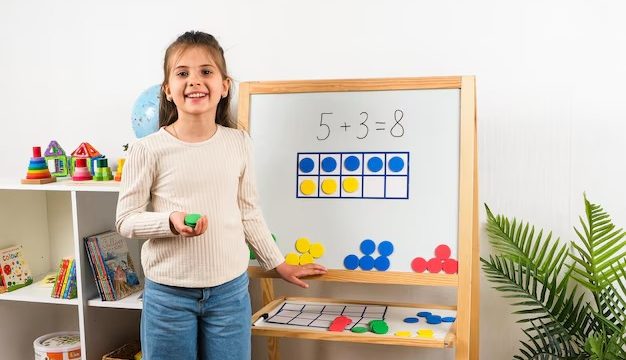
In recent years, the educational landscape has transformed, largely due to the rise of technology and the need for flexible learning environments.
Blended learning, which combines traditional face-to-face instruction with online resources, has gained popularity among educators seeking to enhance their teaching practices.
For teachers looking to navigate this exciting approach, understanding the best blended learning practices can make all the difference in creating a dynamic and engaging classroom experience.
A gentle introduction to blended learning
At its core, blended learning is about balance. It allows educators to tailor their teaching methods to meet the diverse needs of their students while leveraging the benefits of digital tools. This approach encourages a more personalized learning experience, enabling students to progress at their own pace, engage with materials that resonate with them, and develop essential skills for the future. As teachers embark on this journey, they can implement several effective strategies to create an enriching blended learning environment.
Creating a supportive online community
One of the most important aspects of blended learning is fostering a sense of community among students. When transitioning to an online platform, it can be easy for students to feel isolated. To counter this, teachers can create forums or discussion boards where students can share thoughts, ask questions, and collaborate on projects. Regular check-ins through video calls or live chats can also help maintain connections and provide support. By cultivating an online community, teachers can ensure that students feel valued and engaged, no matter where learning takes place.
Encouraging self-directed learning
A significant advantage of blended learning is its ability to promote self-directed learning. Teachers can encourage this by providing students with choices in their assignments or projects. For instance, allowing students to select topics that interest them within a particular subject can ignite passion and motivation. Providing access to various resources—such as videos, articles, and interactive simulations—can empower students to explore and learn independently. By nurturing this autonomy, educators help students develop critical thinking skills and a love for lifelong learning.
Integrating technology thoughtfully
While technology is a crucial component of blended learning, it’s essential to integrate it thoughtfully. Not all digital tools are created equal, and the effectiveness of a resource often depends on how well it aligns with learning objectives. Teachers should take the time to explore various platforms and tools to determine which best supports their instructional goals. Whether it’s utilizing learning management systems, educational apps, or virtual reality experiences, the key is to choose technology that enhances the learning experience rather than distracts from it.
Balancing synchronous and asynchronous learning
In blended learning, it’s vital to strike a balance between synchronous (live) and asynchronous (self-paced) learning activities. Synchronous sessions, such as real-time discussions or collaborative group work, can foster interaction and build relationships among students. On the other hand, asynchronous learning allows students to engage with content at their own pace, providing the flexibility they need to absorb information fully. By incorporating both types of learning, educators create a comprehensive experience that caters to various learning styles and preferences.
Providing timely feedback
Feedback is a cornerstone of effective learning, and in a blended environment, it becomes even more essential. Teachers can harness technology to provide timely and constructive feedback through digital platforms. For example, using online quizzes or discussion boards allows educators to assess student understanding and offer insights quickly. Regular feedback helps students stay on track and encourages them to reflect on their progress. By creating a culture of open communication, teachers can guide students toward improvement and celebrate their achievements.
Fostering collaboration and teamwork
Blended learning offers unique opportunities for collaboration, both online and in person. Teachers can design group projects that require students to work together, even if they are not physically in the same location. Utilizing collaborative tools such as shared documents or virtual whiteboards can facilitate teamwork and allow students to learn from one another. Encouraging peer-to-peer interactions not only enhances understanding but also builds essential social skills that will serve students well beyond the classroom.
Reflecting on and adapting practices
As with any teaching approach, reflection plays a crucial role in the success of blended learning. Educators should regularly assess the effectiveness of their strategies and be open to adapting their practices based on student feedback and outcomes. This reflective process can involve seeking input from students about what works and what could be improved. By remaining flexible and responsive to their needs, teachers can continuously enhance the blended learning experience, ensuring it remains engaging and effective.
Encouraging a growth mindset
In a blended learning environment, fostering a growth mindset can empower students to embrace challenges and view failures as opportunities for growth. Teachers can model this mindset by sharing their own experiences with learning and resilience. Encouraging students to set goals and celebrate their progress, no matter how small, reinforces the idea that effort and perseverance lead to success. By cultivating a growth mindset, educators not only enhance academic achievement but also promote emotional well-being and a positive attitude toward learning.
Embracing the journey
Blended learning is not just a teaching method; it’s a journey that allows educators and students to explore new possibilities together. As teachers implement these best practices, they can create a vibrant learning environment that nurtures curiosity and fosters a love for knowledge. By embracing the blend of traditional and digital approaches, educators can inspire students to become active participants in their own learning journeys.
In the end, the most effective blended learning practices are those that prioritize connection, engagement, and growth. By focusing on building community, encouraging self-directed learning, and adapting to the needs of their students, teachers can create a harmonious balance that supports academic success and personal development. The world of education is ever-evolving, and blended learning is a testament to the exciting possibilities that lie ahead for both teachers and students.