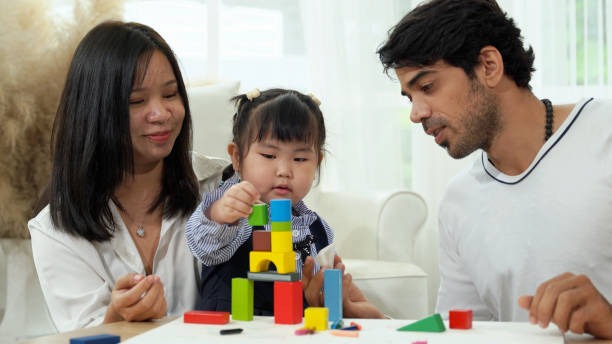
In the journey of education, the role of parental support cannot be overstated.
It acts as a nurturing force that not only helps students navigate the complexities of their academic lives but also fosters their overall growth and development.
The relationship between parents and their children during these formative years is crucial in shaping students’ attitudes toward learning and their future aspirations.
The foundation of academic success often starts at home. When parents take an active interest in their children’s education, it creates a positive environment conducive to learning. This support can manifest in various ways, from helping with homework to engaging in conversations about school experiences. Such involvement not only provides students with the academic assistance they might need but also signals to them that their education is valued.
Creating a supportive home environment is essential. Children thrive in spaces where they feel safe and understood. When parents encourage their kids to express their thoughts and feelings about school, it opens the door to deeper discussions about academic challenges. This emotional support helps students develop resilience, enabling them to face setbacks with a more positive mindset. They learn that it’s okay to struggle and that perseverance is a key ingredient for success.
A gentle shift toward balance can make a significant difference. It’s important for parents to recognize that while academic achievement is important, so is the overall well-being of their children. Encouraging a healthy balance between study time and leisure activities can prevent burnout and promote a love for learning. This holistic approach fosters creativity and critical thinking, skills that are invaluable beyond the classroom.
Parental support also plays a pivotal role in instilling a growth mindset in students. When parents emphasize the value of effort and learning from mistakes, children begin to view challenges as opportunities rather than obstacles. This shift in perspective can lead to greater academic motivation and engagement. By celebrating small victories and acknowledging hard work, parents help their children build confidence in their abilities.
Furthermore, the impact of parental involvement extends into the realm of social development. When parents encourage their children to participate in group activities, whether it be team sports or study groups, they are helping them develop essential social skills. These interactions teach students how to collaborate, communicate, and empathize with others, all of which are crucial attributes for success in both academic and personal settings.
Creating a routine can also enhance the academic experience for students. Parents who establish consistent study schedules help their children develop discipline and time management skills. This structure not only aids in academic performance but also allows students to cultivate good habits that will serve them well into adulthood. A well-organized routine provides a sense of security and predictability, enabling children to focus on their studies without feeling overwhelmed.
Engaging with teachers and school staff is another important aspect of parental support. When parents actively communicate with educators, they gain insights into their child’s academic performance and social interactions. This partnership can lead to tailored strategies that address specific needs, ensuring that children receive the support necessary to thrive. Parents who attend parent-teacher conferences or participate in school events demonstrate to their children that education is a priority, reinforcing the importance of academic success.
Additionally, fostering a love for reading and learning at home can have a profound impact on a child’s academic journey. When parents read with their children or provide access to a variety of books and educational resources, they ignite curiosity and a passion for knowledge. This exposure helps to develop critical thinking skills and enhances vocabulary, laying a strong foundation for future learning.
As students grow older, the nature of parental involvement may evolve. Encouraging independence while still providing support is crucial during the teenage years. This balance allows young adults to take responsibility for their education while knowing they have a safety net if they encounter difficulties. Parents can guide their children in setting academic goals and exploring career interests, helping them to envision their future beyond high school.
It’s also important to recognize the emotional aspects of academic life. Students often face pressures that can affect their mental health and academic performance. Parental support during these times can be invaluable. By fostering open communication and being attentive to their children’s emotional needs, parents can help alleviate stress and anxiety. Creating an environment where students feel comfortable discussing their worries can lead to healthier coping mechanisms and better academic outcomes.
In conclusion, the influence of parental support on academic growth is profound and multifaceted. From creating a nurturing home environment to encouraging independence and resilience, parents play a vital role in shaping their children’s educational experiences. By fostering a love for learning and maintaining open lines of communication, parents can empower their children to reach their full potential. Ultimately, the collaboration between parents and students creates a solid foundation for lifelong learning, ensuring that children not only succeed academically but also thrive as well-rounded individuals.