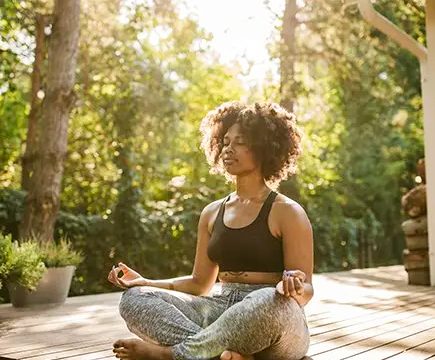
There is a simplicity and quietness to walking that often goes unnoticed, yet it has a remarkable ability to bring a sense of natural calm.
Unlike intense exercise or structured routines, walking allows the body and mind to move at a gentle, comfortable pace.
This simple activity, accessible to almost everyone, provides a space to breathe, reflect, and reconnect with the present moment. The calm that emerges from walking is both subtle and profound, offering benefits for mental clarity, emotional balance, and overall well-being.
One of the first ways walking brings calm is through its steady rhythm. Each step creates a gentle cadence that resonates through the body and mind. This repetition helps to slow racing thoughts and reduce mental clutter. When the body moves in a natural, unhurried pattern, the brain often follows, entering a state of quiet alertness. Unlike sitting or focusing on digital screens, walking provides a flow that encourages relaxation without requiring intense concentration or effort.
The sensory experience of walking also contributes to its calming effect. The feel of your feet touching the ground, the sound of your breath, and the subtle movements of your body create a gentle connection to the present moment. Observing surroundings, whether a quiet street, a leafy park, or a winding trail, engages the senses in a way that draws attention outward, away from stressful thoughts. These sensory cues provide reassurance and stability, fostering a sense of calm that is both immediate and lasting.
Walking outdoors amplifies this natural calm. Fresh air, sunlight, and open spaces contribute to a soothing environment that supports mental and emotional well-being. Exposure to nature has been shown to lower stress levels, reduce blood pressure, and improve mood. Even short walks through green spaces can create a sense of mental refreshment, making everyday challenges feel more manageable. Observing subtle details, such as the sway of branches, birds in flight, or the texture of leaves, encourages mindfulness and invites a peaceful focus on the present.
Breathing naturally aligns with walking, creating another layer of calm. As steps fall into a consistent rhythm, breaths tend to deepen and become steadier. This gentle synchronization helps regulate the nervous system, easing tension and promoting relaxation. The combination of movement and controlled breathing produces a soothing effect that reduces stress and enhances the ability to think clearly. The more often walking is incorporated into daily routines, the more the body and mind learn to rely on this natural rhythm for moments of peace.
Walking also offers a mental break that is essential for emotional balance. Daily life can be filled with responsibilities, deadlines, and constant stimulation, all of which can create tension and mental fatigue. Stepping away from these pressures, even for a brief walk, allows the mind to rest and reset. Thoughts can settle, and emotions can find space to breathe. This restorative effect helps prevent burnout and promotes a sense of inner calm that carries into other areas of life.
Another aspect of walking that enhances calm is the opportunity for gentle reflection. As the body moves, the mind often follows in a more organized and deliberate manner. Problems that felt overwhelming may appear more manageable, and ideas or insights can emerge with ease. This reflective state is not forced; it arises naturally from the combination of movement, sensory engagement, and mental quiet. Walking creates a space where the mind can work through thoughts and feelings without pressure, fostering clarity and composure.
The environment in which you walk plays an important role in cultivating calm. Green spaces, in particular, offer restorative qualities. Parks, forests, and gardens provide visual, auditory, and olfactory stimuli that are soothing rather than overwhelming. The variety of textures, colors, and sounds in nature encourages attention without stress, allowing the brain to relax while remaining engaged. Even urban walks can be calming if approached with awareness, noticing architectural details, patterns in the surroundings, or simple rhythms of daily life.
Walking encourages a natural form of mindfulness. Unlike formal meditation, which can feel structured or challenging, walking allows attention to arise effortlessly. Focusing on movement, breath, and environmental details draws awareness to the present. This mindful presence reduces rumination and worry, making it easier to release stress and experience calm. Over time, regular walking strengthens the brain’s ability to maintain focus and composure in daily life.
The physical benefits of walking also contribute to emotional calm. Movement improves circulation, supports cardiovascular health, and strengthens muscles, all of which enhance energy and stamina. A healthier body allows the mind to function more effectively, reducing the fatigue and irritability that can accompany physical stagnation. Walking, therefore, provides a holistic approach: the body moves gently, the mind rests, and emotions find equilibrium.
Socially, walking can foster calm through connection. Walking with a friend, family member, or companion allows for conversation and shared observation. The pace and rhythm of walking create a relaxed atmosphere for meaningful interaction, where attention can be given to each other without the intensity of sitting face-to-face. Even walking alone offers a sense of companionship with the environment, enhancing emotional stability and personal reflection.
The adaptability of walking makes it particularly effective for cultivating calm. Walks can be long or short, brisk or leisurely, outdoors or indoors. The flexibility allows individuals to integrate walking into daily routines without stress or pressure. Even a five-minute stroll around a block or through a quiet garden can produce a noticeable sense of relaxation. This accessibility ensures that walking can be a consistent tool for managing stress and promoting tranquility.
Walking also provides perspective, which is an essential component of calm. Removing oneself from habitual environments and engaging with different surroundings allows the mind to see challenges in a new light. The gentle movement and sensory engagement create a mental distance from pressing concerns, allowing solutions and insights to emerge. This change in perspective reinforces emotional resilience, making it easier to navigate daily life with steadiness and clarity.
Regular walking enhances the cumulative effect of natural calm. Incorporating daily or frequent walks trains the mind and body to respond to movement with relaxation. Over time, walking becomes a habit that signals rest, focus, and clarity. This consistency strengthens the connection between body, mind, and environment, fostering a dependable pathway to peace and composure.
Finally, walking serves as a gentle reminder of simplicity and presence. In a world filled with distractions, notifications, and constant demands, walking slows the pace and encourages engagement with the immediate moment. Observing small details, feeling physical sensations, and moving through space cultivate awareness and appreciation. The natural calm that comes from walking is not forced or contrived; it arises from the union of movement, sensory engagement, and mindful attention.
In conclusion, walking is a uniquely accessible and effective way to cultivate natural calm. Its gentle rhythm, sensory richness, alignment of breath, and restorative environments combine to soothe the mind, relax the body, and balance emotions. Whether walking alone or with others, through parks, neighborhoods, or quiet paths, this simple activity offers a space for reflection, mindfulness, and emotional restoration. The calm achieved through walking extends beyond the activity itself, influencing daily life, perspective, and overall well-being.
Embracing walking as a regular practice allows the body and mind to experience consistent moments of peace. Each step becomes an opportunity to release tension, refocus attention, and reconnect with the present. Over time, walking fosters a reliable sense of calm that is both natural and lasting, proving that some of the most profound benefits come from the simplest of actions.