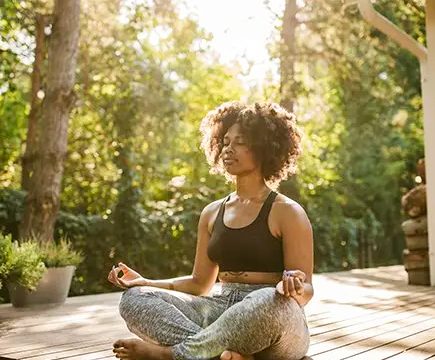
In the hustle and bustle of modern life, evenings can provide a precious opportunity to slow down, unwind, and reconnect with the body and mind.
Comforting yoga offers a gentle, restorative way to transition from the busyness of the day into a state of relaxation and ease.
Unlike vigorous workouts, evening yoga emphasizes calm movements, deep breathing, and mindful awareness, creating a nurturing environment for both physical and emotional restoration. By incorporating these practices, individuals can release tension, improve sleep quality, and cultivate a sense of inner calm that carries into the night.
The foundation of comforting yoga lies in mindful presence. Each movement and posture is approached with awareness, focusing on sensations, breath, and alignment. This deliberate attention encourages the body to relax while allowing the mind to let go of the day’s stress. By slowing down and noticing each sensation, practitioners create a space for reflection and calm, helping to shift the nervous system from a state of activity to one of rest and recovery. Mindful practice in the evening supports emotional balance and prepares the body for restorative rest.
Breathwork is a central element of evening yoga, offering a simple yet powerful way to calm both body and mind. Deep, slow breaths help regulate heart rate, reduce muscle tension, and soothe the nervous system. Coordinating inhalations and exhalations with gentle movements enhances the sense of flow and promotes relaxation. Techniques such as diaphragmatic breathing, where the breath expands the belly, or Ujjayi breathing, which creates a soft, rhythmic sound, encourage focus and serenity, providing an anchor that supports mindfulness throughout the session.
Gentle stretching poses form the core of comforting evening yoga. Forward folds, for instance, help release tension in the back, shoulders, and hamstrings while encouraging a sense of introspection and calm. Poses such as Seated Forward Fold or Standing Forward Bend allow the body to lengthen slowly, promoting circulation and reducing stiffness accumulated throughout the day. Holding these poses for several breaths encourages muscles and connective tissue to relax fully, creating a soothing release that carries into rest and sleep.
Hip-opening movements are particularly beneficial during evening yoga, as the hips often store tension from prolonged sitting or stress. Poses like Butterfly Pose or Supine Figure Four stretch the inner thighs and glutes gently, encouraging flexibility and relaxation. By approaching these poses with mindful breathing and soft engagement, practitioners can release tension gradually without discomfort, supporting both physical comfort and mental ease.
Spinal mobility is another focus of comforting yoga for slow evenings. Gentle twists and cat-cow stretches encourage flexibility in the spine while releasing tightness in the back, shoulders, and neck. These movements promote circulation, enhance posture, and relieve muscular tension, creating a sense of lightness and ease in the upper and lower body. Slow, deliberate motion ensures that the spine moves within its natural range, protecting joints while supporting overall wellbeing.
Restorative postures play a significant role in evening yoga by providing deep relaxation. Poses such as Legs-Up-The-Wall, Supported Bridge, or Reclined Bound Angle allow the body to rest fully while stretching key muscle groups. Using props like cushions, blankets, or bolsters enhances comfort and support, enabling muscles to release tension effortlessly. These poses encourage a calm, meditative state, reducing stress and promoting a sense of safety and nurturing that prepares the body for restful sleep.
Mindful attention enhances the restorative effects of evening yoga. Observing sensations in the body, noting areas of tightness, and allowing muscles to release naturally creates a stronger connection between mind and body. This awareness helps reduce anxiety and mental chatter, allowing for a smoother transition into relaxation. The practice of noticing without judgment fosters self-compassion and patience, reinforcing the comforting nature of evening yoga.
Slow, flowing sequences add rhythm to evening yoga practice while maintaining gentle intensity. Linking simple movements such as side stretches, gentle lunges, or low lunge variations with the breath encourages circulation and flexibility while keeping the body calm. The continuity of slow flows promotes a meditative experience, allowing the mind to focus on movement and breath rather than external distractions or stressors. This combination of motion and mindfulness creates a sense of harmony that supports overall wellbeing.
Balance poses, when practiced gently, can also be incorporated into evening yoga. Simple standing poses such as Tree Pose or gentle one-legged shifts engage stabilizing muscles while encouraging focus and presence. Practicing balance with care supports the ankles, knees, and hips, while calming the mind through concentration. The subtle activation of these muscles prepares the body for restful stillness, enhancing the restorative benefits of the session.
Breath-centered relaxation, or pranayama, is especially effective in slow evening routines. Techniques such as alternate nostril breathing or extended exhalations help release tension, lower heart rate, and support a peaceful state of mind. By integrating breath work into gentle movements or restorative postures, practitioners create a calm, fluid experience that promotes both emotional and physical rejuvenation. These exercises encourage relaxation that extends beyond the yoga session into the hours of rest that follow.
Creating a supportive environment enhances the experience of comforting yoga. A quiet space, comfortable temperature, and soft lighting help cultivate calmness and focus. Gentle background music, natural light, or simply the stillness of the evening can encourage relaxation and mindfulness. By shaping an environment that feels safe and nurturing, practitioners are more likely to engage fully in the practice and reap the restorative benefits of each pose and movement.
Consistency in practice strengthens the benefits of evening yoga. Even short sessions of fifteen to twenty minutes performed regularly can significantly improve flexibility, reduce tension, and support mental clarity. Establishing a routine that integrates gentle yoga into slow evenings encourages the body to anticipate rest and signals the nervous system to shift into a state of relaxation. Over time, consistent practice fosters resilience, emotional balance, and improved quality of sleep.
Hydration and mindful self-care complement evening yoga practices. Drinking water, consuming light nourishing meals, and attending to physical comfort support the body’s ability to relax fully. Adequate hydration and gentle care promote muscle relaxation, joint comfort, and overall physical wellbeing, enhancing the effectiveness of each yoga session. When the body feels supported, the mind can fully embrace the calming, restorative nature of the practice.
Mindful yoga for evenings also nurtures emotional wellbeing. Taking the time to slow down, focus on the breath, and observe bodily sensations reduces stress and anxiety accumulated throughout the day. The gentle pace and supportive postures encourage reflection, self-compassion, and mental clarity, creating a sense of inner calm that carries into the evening. By dedicating intentional time to relaxation, practitioners can foster a deeper connection with themselves and cultivate emotional resilience.
In conclusion, comforting yoga provides a gentle, restorative approach to easing tension, improving flexibility, and nurturing emotional wellbeing during slow evenings. By combining mindful awareness, breath work, gentle stretches, restorative postures, and a supportive environment, practitioners can release fatigue, restore energy, and prepare the body and mind for restful relaxation. Regular practice enhances both physical and emotional health, offering a practical, enjoyable way to transition from the activity of the day into calm, restorative evening hours. Embracing comforting yoga as part of an evening routine creates a nurturing rhythm, supporting balance, relaxation, and a sense of well-being that extends beyond the mat.