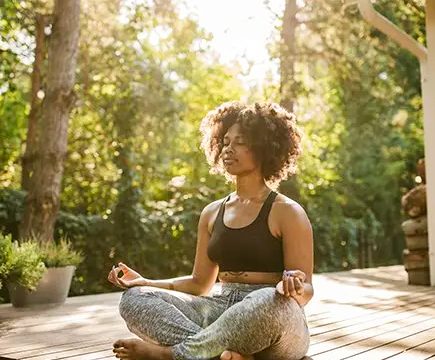
In a world that often celebrates loud achievements, bold actions, and visible power, there is a growing appreciation for a different kind of strength—a quiet, internal strength that is rooted in balance, control, and mindfulness.
Pilates, with its emphasis on core stability, alignment, and intentional movement, offers a perfect path to developing this type of quiet strength.
Unlike many high-intensity workouts that focus on building muscle mass through forceful or fast-paced movements, Pilates encourages strength through subtle, controlled actions that come from within the body. It’s a strength that doesn’t need to be shouted or showcased; it’s a strength that is felt through steady, precise movement and a deep connection between the body and mind.
Pilates was created by Joseph Pilates in the early 20th century as a method to improve both physical fitness and mental well-being. His philosophy centered around the idea that strength comes from a combination of flexibility, stability, and fluid movement. Pilates exercises target the deep stabilizing muscles of the body, those that support and align the spine, pelvis, and other key joints. This focus on the deeper layers of muscle provides the foundation for a quiet yet powerful form of strength that is felt not just during the workout, but in everyday activities as well.
One of the main principles of Pilates that fosters quiet strength is the emphasis on controlled, mindful movement. Unlike many workouts that focus on pushing the body to its limits with rapid or repetitive actions, Pilates encourages practitioners to move with intention and precision. Every exercise is done slowly, with a focus on proper form and alignment. This allows the body to build strength in a way that is sustainable and safe, as opposed to relying on brute force. The slower pace allows individuals to tune into their bodies, fostering awareness and ensuring that the muscles are working in harmony. The beauty of this practice is that the strength it builds is quiet, internal, and rooted in control rather than external display.
Another key aspect of Pilates that contributes to quiet strength is the work it does for the core. The core muscles—those of the abdominals, lower back, hips, and pelvis—are the foundation for all movement in the body. Pilates focuses on strengthening these deep core muscles, often referred to as the “powerhouse” of the body, through exercises that engage multiple muscle groups at once. These exercises help improve posture, stabilize the spine, and increase overall strength without the need for heavy weights or intense exertion. Developing a strong core through Pilates allows individuals to move with greater ease and efficiency, and over time, it builds a quiet strength that supports all other movements.
One of the most powerful elements of Pilates is its focus on breathing. The breath is integral to the practice, as it helps to activate the deep muscles of the core while also guiding the movement. In Pilates, practitioners are taught to inhale and exhale in a way that supports and enhances each movement. The breath serves as a tool for controlling and sustaining each exercise, allowing the body to move with fluidity rather than tension. The connection between the breath and movement promotes a sense of calm and mindfulness, making the practice both physically and mentally rejuvenating. As individuals learn to use their breath to stabilize and support their movements, they are able to develop a quiet strength that transcends physical effort. The breath becomes a quiet source of power, helping to maintain balance and focus throughout the practice.
While many forms of exercise emphasize external strength—lifting heavy weights, running fast, or performing intense cardio—Pilates teaches a different approach to strength: one that is based on stability, control, and alignment. It’s a strength that is cultivated over time through consistent practice, rather than one that is quickly gained through short bursts of effort. Pilates encourages individuals to challenge themselves by focusing on proper form and alignment rather than pushing themselves to complete a high number of repetitions or to achieve a particular result. This patient, thoughtful approach allows individuals to develop a deep, quiet strength that grows gradually and steadily, rather than in dramatic bursts. It’s the kind of strength that becomes evident not just in the way you look, but in the way you feel—more centered, balanced, and capable.
Another aspect of Pilates that promotes quiet strength is its focus on symmetry. Many people have areas of their bodies that are stronger or more flexible than others, often due to habitual movement patterns, poor posture, or previous injuries. Pilates addresses these imbalances by incorporating exercises that work each side of the body individually. By focusing on unilateral movements, Pilates helps to strengthen both sides of the body equally, promoting symmetry and balance. This balance is essential for developing quiet strength because it ensures that the body is working as a cohesive unit, rather than relying on one side or one group of muscles to carry the load. Balanced strength in the body translates to a more effortless, fluid way of moving through the world.
Flexibility is also an important component of Pilates, and it contributes to the development of quiet strength. Strength without flexibility can lead to stiffness and tension in the body, which can inhibit smooth movement and increase the risk of injury. Pilates encourages both strength and flexibility by using a combination of exercises that stretch and strengthen simultaneously. These exercises promote greater range of motion, allowing the body to move with greater ease. Increased flexibility helps to release tension and tightness, which allows for smoother, more controlled movement. A flexible, strong body moves in a way that feels effortless, as the muscles can work together in harmony, providing the quiet strength needed for efficient, graceful movement.
In addition to physical strength, Pilates helps to cultivate mental resilience and focus. The practice requires concentration, as individuals are encouraged to focus on their breath, movement, and alignment throughout each exercise. This mental focus creates a sense of mindfulness that enhances the overall experience of Pilates. The quieter, more controlled nature of the practice helps to calm the mind, reduce stress, and foster a sense of mental clarity. As the mind becomes more focused, the body can move with greater purpose, and the strength that is developed becomes both physical and mental. The quiet strength gained from Pilates extends beyond the physical realm, helping individuals to feel more grounded, present, and centered in their daily lives.
Pilates is also an incredibly adaptable practice. Whether you are a beginner or an experienced athlete, Pilates can be modified to suit your individual needs. It doesn’t require heavy weights or high-impact movements, making it accessible to people of all ages and fitness levels. Pilates can be done on a mat or using specialized equipment like a reformer, which adds resistance to the exercises and further challenges the body. Regardless of the variation, the focus remains the same: controlled, mindful movement that builds strength from the inside out. As you progress in your practice, you’ll notice that the strength you develop is not loud or ostentatious; it’s a quiet strength that emerges from your core, allowing you to move with greater ease, stability, and confidence.
In conclusion, Pilates is an excellent way to develop quiet strength. Through its emphasis on controlled movement, core stability, breathing, symmetry, and flexibility, Pilates helps to build a form of strength that is internal, sustainable, and balanced. This quiet strength, developed over time, manifests not only in the way we move but also in the way we approach life—mindfully, with intention, and with a deep sense of control and presence. Pilates teaches us that true strength doesn’t need to be shouted from the rooftops; it can be felt in the way we carry ourselves, move through the world, and maintain balance in both body and mind.