In our busy lives, taking time to slow down and reconnect with the body is essential for maintaining both mental and physical well-being.
Soft yoga offers a gentle and accessible way to unwind, release tension, and promote relaxation.
Unlike more intense styles of yoga, soft yoga emphasizes slow, mindful movements, deep breathing, and comfort in each posture. This approach encourages a sense of calm and allows practitioners to tune into their bodies, fostering awareness and ease. Incorporating soft yoga into a daily routine can provide a restorative practice that supports overall balance and tranquility.
Starting a soft yoga session with mindful breathing sets the tone for relaxation. Taking slow, deep breaths helps calm the nervous system, reduces stress, and encourages focus on the present moment. By inhaling gently through the nose and exhaling fully, practitioners can release physical tension and mental clutter. Breath awareness also guides movement, ensuring that poses are performed with care and intention. Even a few minutes of conscious breathing at the beginning of a session can create a sense of grounding and readiness for gentle stretches.
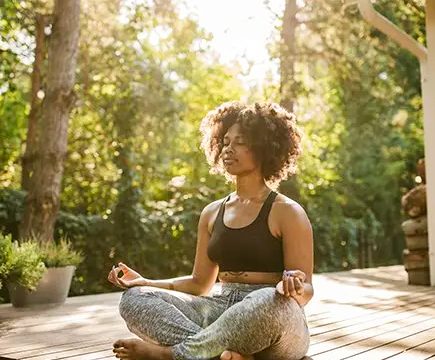
Seated poses are a perfect introduction to soft yoga. Sitting comfortably with legs crossed or extended allows the spine to lengthen naturally while promoting ease in the hips and lower back. Forward bends from a seated position encourage gentle stretching along the spine and hamstrings, providing a soothing release of tension. By focusing on the sensations of each stretch and moving slowly, practitioners cultivate mindfulness and awareness of their body’s responses. Soft yoga encourages exploration within a comfortable range of motion, allowing each individual to honor their limits while promoting relaxation.
Gentle twists are another way to enhance comfort and flexibility during soft yoga practice. Twisting poses, performed slowly and without force, help relieve tension in the spine and improve circulation. Seated or supine twists allow the body to move with the breath, emphasizing a relaxed yet engaged posture. Paying attention to the rotation of the torso, the placement of the shoulders, and the lengthening of the spine encourages mindfulness and provides a calming effect on both body and mind. Twists in soft yoga are not about intensity but about noticing sensations and promoting ease.
Reclined poses, such as Supported Reclined Bound Angle Pose, are ideal for releasing tension in the hips and lower back. Lying on the floor with cushions or blankets for support creates a sense of comfort and security. In this position, the body can fully relax, and the practitioner can focus on slow, steady breathing. The gentle opening of the hips encourages a release of tightness and contributes to a sense of lightness and ease. Soft yoga incorporates props intentionally to enhance relaxation and maintain comfort, ensuring that poses remain accessible to everyone.
Child’s Pose is a classic restorative posture that encourages surrender and calm. Kneeling with the hips resting on the heels and the torso folded forward, this pose provides gentle pressure along the spine while allowing the shoulders and neck to release. Softly stretching the arms forward or resting them alongside the body gives the practitioner options to find maximum comfort. This pose is particularly effective for promoting relaxation, as it invites focus on breathing and the gentle sensations of the body against the floor. Regular practice of Child’s Pose helps cultivate a sense of grounding and emotional calm.
Cat-Cow movements are another gentle approach to warming the spine and increasing awareness of body movement. Alternating between arching and rounding the back, in coordination with the breath, encourages mobility and promotes a gentle flow of energy. This slow, rhythmic motion allows practitioners to notice subtle changes in the spine, shoulders, and hips, enhancing mindfulness. Cat-Cow sequences in soft yoga are performed without rush, focusing on connection with the breath and the comfort of each movement rather than achieving extreme range of motion.
Leg stretches performed in a reclined or seated position support relaxation and flexibility. Stretching the hamstrings, calves, and inner thighs slowly helps release tightness while improving circulation. Incorporating props such as straps or blankets can make these stretches more accessible and comfortable. Soft yoga emphasizes comfort and alignment, ensuring that each stretch is effective without creating strain. By moving mindfully and observing sensations, practitioners enhance their awareness of the body while encouraging a calming effect on the nervous system.
Gentle backbends, such as Sphinx or Supported Bridge Pose, are included in soft yoga to open the chest, shoulders, and spine without excessive effort. These poses encourage subtle activation of the back muscles while allowing the body to release tension. Using support under the back or hips creates a restorative variation that maintains comfort and encourages relaxation. Attention to breath, muscle engagement, and alignment ensures that these movements remain soothing and beneficial. Over time, these gentle backbends improve posture and promote a sense of lightness and ease throughout the body.
Seated side stretches help elongate the torso, release tension in the shoulders, and enhance breathing capacity. By reaching one arm overhead and leaning gently to the opposite side, practitioners create space along the ribs and sides of the body. Moving slowly with the breath, rather than forcing the stretch, encourages awareness of subtle sensations and supports relaxation. Soft yoga sequences often combine these stretches with mindful inhalations and exhalations to enhance the calming effect.
In addition to physical movements, soft yoga emphasizes the importance of mindfulness and presence throughout the practice. Focusing on the sensations of the body, the rhythm of the breath, and the gentle flow of movement cultivates a deep sense of awareness. This practice encourages a nonjudgmental approach, allowing practitioners to observe tension, stiffness, or comfort without criticism. The integration of mindful attention with slow, restorative movements enhances relaxation and provides a meditative quality to the practice.
Ending a soft yoga session with Savasana, or Corpse Pose, allows the body and mind to absorb the benefits of the practice. Lying on the back with arms and legs comfortably extended, practitioners focus on releasing tension and observing the natural rhythm of the breath. Props such as blankets or pillows can support the knees or head, further enhancing comfort and relaxation. Savasana encourages complete surrender and mindfulness, making it an essential component of soft yoga for promoting calm and restoring energy.
Consistency is key to experiencing the full benefits of soft yoga for relaxation. Practicing daily, even for short periods, encourages a routine of mindfulness and self-care. Gentle movements, slow breathing, and attention to comfort help establish a practice that is sustainable and rewarding. Over time, regular practice improves flexibility, reduces muscle tension, and fosters a sense of calm that extends beyond the yoga session into daily life.
Soft yoga also supports emotional well-being. By creating a space for quiet reflection, breath awareness, and gentle movement, practitioners can release stress and cultivate a more balanced emotional state. The meditative qualities of soft yoga encourage self-compassion, patience, and a sense of ease. These mental benefits complement the physical benefits, creating a holistic approach to relaxation and overall wellness.
In conclusion, soft yoga movements offer an accessible and effective way to promote relaxation and well-being. Through gentle stretches, mindful breathing, and supportive postures, practitioners can release tension, cultivate awareness, and nurture the body and mind. Poses such as Child’s Pose, Cat-Cow, Supported Bridge, Seated Side Stretch, and Reclined Bound Angle Pose provide opportunities to slow down, focus on comfort, and enhance mindfulness. By practicing soft yoga regularly, individuals develop a calming routine that supports both physical relaxation and mental clarity, creating a harmonious sense of ease that can positively influence daily life.
Soft yoga demonstrates that relaxation and mindful presence can be achieved without intensity or complexity. By prioritizing comfort, breath, and awareness, each session becomes a gentle practice of self-care. Over time, this approach strengthens both body and mind, cultivating a sustainable pathway to relaxation, balance, and overall well-being.