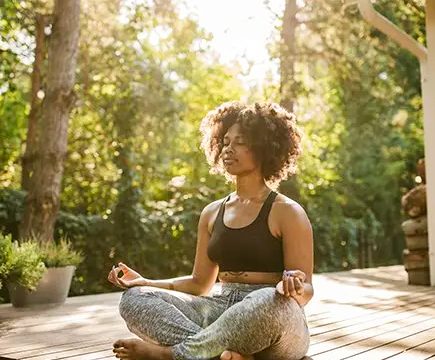
Daily life has a way of quietly stacking tension onto our bodies and minds.
Between long hours of sitting, constant notifications, deadlines, family responsibilities, and the general pace of modern life, it is easy to feel tight, restless, or mentally drained by the end of the day.
Many people search for simple, natural ways to unwind without adding more complexity to their routines. Yoga has become a popular choice because it offers a gentle, adaptable approach to easing daily tension while encouraging awareness and calm.
Yoga is often misunderstood as something that requires extreme flexibility, athletic ability, or a large time commitment. In reality, yoga can be as simple as a few mindful movements and steady breathing. Its purpose is not to force the body into shapes, but to help release unnecessary strain and reconnect with the present moment. When practiced with patience and consistency, yoga can support relaxation and comfort in a way that fits into everyday life.
One reason yoga is helpful for easing daily tension is its focus on breath. Many people breathe shallowly when they feel stressed or distracted, often without realizing it. This type of breathing can contribute to feelings of tightness, especially in the neck, shoulders, and chest. Yoga encourages slower, more intentional breathing that gently signals the body to settle. Paying attention to the rhythm of the breath can create a sense of space and ease, even before any physical movement begins.
The physical postures used in yoga are designed to move the body in balanced, mindful ways. Long periods of sitting or repetitive motions can lead to stiffness in certain areas, particularly the back, hips, and shoulders. Gentle yoga movements invite these areas to soften and lengthen without force. The goal is not to stretch to the maximum, but to notice sensations and respond kindly to what the body needs on that particular day.
Yoga also supports awareness of posture, which plays a role in everyday tension. Slouching, hunching over screens, or holding the head forward can gradually create discomfort. Through yoga, people become more aware of how they sit, stand, and move throughout the day. This awareness often carries beyond the practice itself, encouraging small adjustments that reduce strain during daily activities.
Mental tension is just as common as physical tightness, and yoga addresses this aspect in a calm and accessible way. The practice invites attention to the present moment, gently guiding the mind away from constant planning or worrying. Even a short session can offer a pause from mental noise. Over time, this pause can make it easier to respond thoughtfully to stress rather than feeling overwhelmed by it.
One of the most appealing aspects of yoga is its flexibility. It can be adapted for different ages, body types, and experience levels. Yoga can be practiced at home, in a class, or even in a quiet office space. Some people enjoy a longer session to fully unwind, while others find relief in just a few minutes of gentle movement or breathing. There is no single correct way to practice, which makes yoga approachable for beginners and experienced practitioners alike.
Consistency matters more than intensity when it comes to easing daily tension. A short, regular yoga routine can be more beneficial than occasional long sessions. Practicing a little each day helps the body recognize relaxation as a familiar state rather than something rare. This sense of familiarity can make it easier to release tension when it appears during everyday situations.
Yoga can also encourage a healthier relationship with rest. Many people feel guilty about slowing down or taking breaks, especially in busy schedules. Yoga reframes rest as a necessary part of balance rather than a reward that must be earned. Restorative poses and quiet moments in practice remind the body and mind that slowing down is not only acceptable, but beneficial.
Another gentle benefit of yoga is its emphasis on self-compassion. Instead of pushing through discomfort, yoga encourages listening to the body and honoring personal limits. This mindset can extend into daily life, helping people approach challenges with patience rather than self-criticism. Over time, this shift in attitude can reduce the emotional tension that often accompanies stress.
Yoga does not promise instant results, and it is not a replacement for professional care when needed. Instead, it offers a supportive practice that complements a balanced lifestyle. Many people notice subtle changes over time, such as feeling more at ease at the end of the day, sleeping more comfortably, or responding to stress with greater calm. These small changes can add up to a noticeable improvement in overall well-being.
Creating a comfortable environment for yoga can enhance its relaxing effect. A quiet space, comfortable clothing, and a few uninterrupted minutes can make a difference. However, yoga does not require perfection or special equipment. The most important element is the intention to pause and care for oneself, even briefly.
For those new to yoga, it can be helpful to approach it with curiosity rather than expectation. Some days may feel more relaxed than others, and that is completely normal. The practice is about meeting the body and mind where they are, not where one thinks they should be. Over time, this gentle approach can make yoga a trusted tool for easing daily tension.
In a world that often encourages constant productivity, yoga offers a quiet reminder to slow down and breathe. It supports the idea that well-being is built through small, mindful choices made consistently. By incorporating yoga into daily life, many people find a simple, welcoming way to release tension and create moments of calm amid the busyness of each day.
Yoga’s lasting value lies in its simplicity. It does not demand perfection, speed, or comparison. Instead, it invites presence, patience, and gentle movement. As a result, it can become not just a practice on a mat, but a supportive habit that brings ease into everyday moments.