Encouraging Early Math Learning Through Exploration
As parents and caregivers, we often find ourselves nurturing a variety of skills in our little ones.
From language development to social skills, the early years are a rich tapestry of growth and learning.
Among these essential skills, mathematics stands out not just as a necessity for academic success, but as a wonderful avenue for exploration and creativity. Encouraging early math learning through playful exploration can create a strong foundation for lifelong learning, making the journey not only educational but also joyful.
A gentle introduction to numbers and shapes can begin in the most familiar of settings: our homes. Everyday activities can transform into delightful learning experiences. For instance, while preparing a meal, children can help measure ingredients or count the number of apples in a bowl. This hands-on involvement not only teaches basic math concepts but also fosters a sense of responsibility and accomplishment. When children engage with math in real-life scenarios, they begin to understand its relevance and applicability, making the learning process feel natural and intuitive.
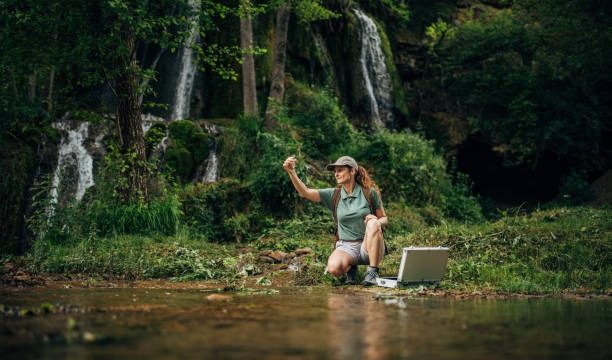
The world around us is filled with patterns, shapes, and numbers waiting to be discovered. A walk in the park can become a treasure hunt of sorts, where children can spot various shapes in nature. The circular form of a tree trunk, the triangular leaves, and the rectangular benches all provide opportunities to discuss geometry in a fun and engaging manner. Encouraging children to observe and identify these elements cultivates their analytical thinking skills and nurtures a love for exploration.
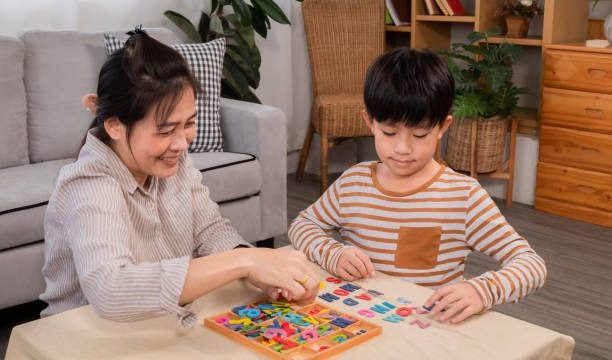
Creating a rich environment for mathematical exploration can also be as simple as incorporating math-related games into playtime. Board games that involve counting, sorting, or strategizing can offer a playful yet educational experience. Simple card games can introduce concepts of probability and addition, while puzzles can enhance spatial awareness and problem-solving skills. The key lies in keeping the atmosphere light and enjoyable. When children associate math with fun, they are more likely to embrace challenges and persist in their learning.
As children grow, their curiosity naturally leads them to ask questions. This inquisitiveness is a powerful tool that can be harnessed to deepen their understanding of mathematical concepts. When they ask, “Why does this number come after that one?” or “How many more do we need?” it’s an opportunity for meaningful dialogue. Instead of providing direct answers, guiding them through the thought process can be more beneficial. This approach encourages critical thinking and helps them develop problem-solving skills, both of which are integral to mastering math.
Exploration can also extend into the realm of technology. In today’s digital age, numerous educational apps and online resources are designed to make math engaging for young learners. These platforms often incorporate interactive games and challenges that adapt to a child’s skill level, providing a personalized learning experience. While technology can be a valuable tool, it’s essential to balance screen time with hands-on activities. A blend of both can offer a comprehensive approach to early math learning.
Encouraging early math learning doesn’t have to be confined to formal lessons. Creative activities like drawing, painting, and crafting can be infused with mathematical concepts. For instance, while creating art, children can practice symmetry by folding paper or explore fractions by dividing shapes into parts. Such activities not only enhance their artistic skills but also weave math seamlessly into their everyday experiences. The fusion of creativity and mathematics can spark a genuine interest and appreciation for both fields.
As we consider the emotional aspect of learning, it’s crucial to foster a growth mindset in children. This involves teaching them that making mistakes is a part of the learning process. When faced with a challenging math problem, instead of expressing frustration, we can encourage them to try different strategies or approaches. Celebrating their efforts, regardless of the outcome, builds resilience and confidence. Children learn that persistence pays off, which is an invaluable lesson that extends beyond mathematics.
It’s also important to involve siblings, friends, or even neighbors in the learning process. Collaborative play can enhance social skills while introducing shared problem-solving experiences. Group activities, whether they are building with blocks or engaging in math-based scavenger hunts, can create a sense of community and teamwork. These interactions not only make math more enjoyable but also help children learn from one another, enriching their understanding through different perspectives.
As caregivers, we play a pivotal role in shaping our children’s attitudes toward math. By modeling enthusiasm and curiosity about numbers and patterns, we inspire them to explore further. Sharing our own experiences and challenges with math can demystify the subject and create an open dialogue. When children see us engaging with math in our daily lives—be it budgeting, cooking, or planning—they recognize its importance and relevance.
The journey of encouraging early math learning through exploration is not just about acquiring skills; it’s about fostering a love for learning. By creating a nurturing environment filled with opportunities for discovery, we can help our children develop a positive relationship with mathematics. This foundation will serve them well as they progress through their educational journey, equipping them with the tools they need to navigate an increasingly complex world.
In closing, let us remember that the essence of early math learning lies in exploration and play. By infusing daily activities with mathematical concepts and encouraging curiosity, we can guide our children on a path of joyful discovery. This approach not only prepares them for academic success but also instills a lifelong love for learning. As we embrace this journey together, we can celebrate the small victories and milestones that make early math exploration a cherished part of childhood.