In today’s fast-paced world, the importance of creativity in learning is often overlooked.
The traditional educational model tends to prioritize rote memorization and standardized testing, leaving little room for the exploration that ignites our imaginative sparks.
However, a growing body of evidence suggests that creativity is not just a luxury but a necessity for effective learning. One of the most delightful ways to foster creativity is through play—a practice that can enrich our learning experiences and enhance our well-being.
Play is often associated with childhood, but it is a universal experience that transcends age. The act of engaging in playful activities allows individuals to express themselves freely, explore new ideas, and experiment without fear of failure. When we play, we enter a space where the usual rules and limitations of everyday life are temporarily suspended. This freedom can lead to unexpected discoveries and insights, making play an essential component of the learning process.
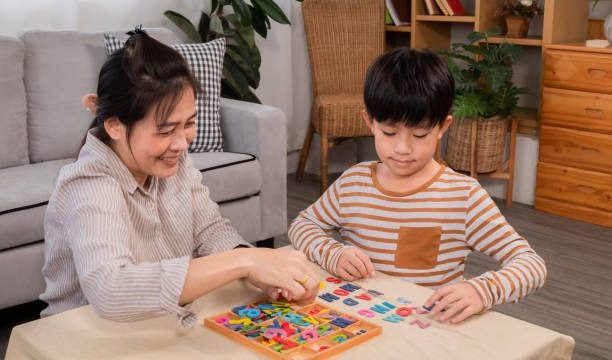
When we think about play, we might envision children in a park, laughing and running around, or perhaps a group of friends gathered around a board game. However, play can take many forms and can be integrated into various learning environments. Whether it’s through arts and crafts, role-playing, or even playful discussions in a classroom, the essence of play encourages curiosity and engagement.
Incorporating playful methods into learning environments can be transformative. For instance, educators can introduce creative storytelling techniques that allow students to immerse themselves in different perspectives. By crafting narratives, students not only enhance their writing skills but also develop empathy and critical thinking. This approach encourages them to connect with the material on a deeper level, leading to a richer understanding of the subject matter.
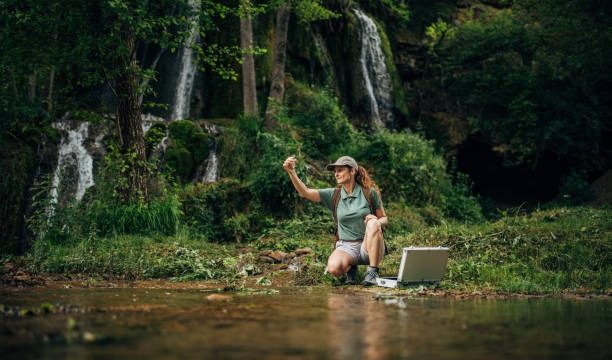
Similarly, playful experimentation in science classes can ignite a passion for discovery. Rather than simply memorizing formulas and concepts, students can engage in hands-on activities that allow them to observe and interact with the principles they are learning. Building simple machines, conducting experiments, or even exploring nature can foster a sense of wonder and excitement, making the learning process more dynamic and enjoyable.
A gentle shift toward balance can also be found in the world of art. Creative expression through painting, drawing, or crafting can serve as a powerful outlet for emotions and ideas. Art encourages individuals to think outside the box and explore their innermost thoughts. When learners engage in artistic activities, they tap into their innate creativity, which can lead to increased confidence and motivation in other areas of study.
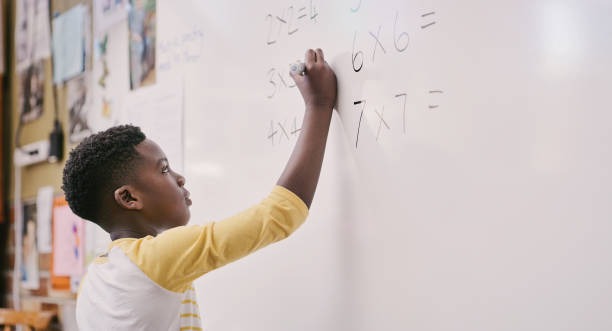
Moreover, play can serve as a bridge between disciplines. For example, combining music and mathematics can create a harmonious learning experience. Students can explore rhythm and patterns, discovering the intricate relationship between these two seemingly disparate subjects. This interdisciplinary approach not only enhances understanding but also makes learning more relevant and enjoyable.
In the realm of adult learning, the benefits of play are just as significant. Many professionals find that incorporating playful elements into their work can lead to increased innovation and problem-solving skills. Team-building exercises that involve games or creative brainstorming sessions can break down barriers and foster collaboration. When individuals feel at ease and engaged, they are more likely to contribute unique ideas and solutions.
Play is not limited to physical activities; it can also be found in the digital landscape. Educational games and interactive learning platforms have gained popularity, providing learners with engaging ways to absorb information. These tools often incorporate elements of competition and achievement, making the learning experience fun and motivating. However, it is essential to strike a balance between screen time and other forms of play to ensure a holistic approach to creativity in learning.
Creating an environment that encourages playfulness requires intention and openness. Whether at home, in schools, or workplaces, fostering a culture of creativity can lead to profound changes. Encouraging curiosity, allowing for experimentation, and celebrating mistakes as learning opportunities can transform the way individuals approach challenges. A space that embraces playfulness nurtures resilience and adaptability—qualities that are invaluable in today’s ever-changing world.
As we explore the intersection of creativity and learning through play, it is important to remember that the journey is as significant as the destination. Embracing a playful mindset allows us to savor the process of discovery, leading to personal growth and fulfillment. When we engage in playful activities, we are not merely passing time; we are investing in our cognitive and emotional well-being.
In conclusion, the exploration of creativity in learning through play is a journey worth embarking on. By integrating playful elements into our educational experiences, we open the door to a world of possibilities. Whether through art, storytelling, or hands-on activities, play has the power to transform the way we learn and grow. As we nurture our creativity, we not only enrich our own lives but also inspire those around us to embrace their imaginative potential. So, let us invite more play into our lives and watch as our creativity flourishes, guiding us toward a brighter, more innovative future.