As parents and caregivers, we often find ourselves searching for ways to introduce our little ones to the wonders of the world around them.
One of the most delightful paths to discovery is through play.
When children engage in playful activities, they naturally explore early science ideas without even realizing it. This joyful approach not only nurtures their curiosity but also fosters a deeper understanding of the principles that govern our universe.
The beauty of play lies in its ability to transform ordinary moments into extraordinary learning experiences. Picture a child digging in the sand at the beach, their hands sifting through grains of sand to uncover hidden treasures. This simple act of exploration can lead to countless questions about texture, composition, and even the forces of nature. As they build castles, they may inadvertently discover concepts of engineering and gravity, all while enjoying the warmth of the sun and the sound of waves crashing nearby.
A gentle shift toward curiosity can be encouraged by providing children with a variety of materials to explore. Everyday items such as cardboard boxes, kitchen utensils, or natural elements like leaves and stones can become the tools of experimentation. When children are given the freedom to manipulate these objects, they engage in hands-on learning that ignites their imagination. A cardboard box can transform into a spaceship, a fort, or even a time machine, allowing them to explore the cosmos or the depths of the ocean without ever leaving their backyard.
Encouraging imaginative play can also lead to meaningful conversations about the world. When children create their own stories or scenarios, they begin to make connections between their experiences and the scientific concepts they encounter. A simple game of pretending to be animals in the jungle can open the door to discussions about habitats, ecosystems, and the importance of biodiversity. Children learn to appreciate the delicate balance of nature as they role-play different creatures and their interactions within their environment.
Incorporating elements of science into play can be as simple as introducing basic experiments that capture a child’s interest. For instance, a kitchen science experiment involving baking soda and vinegar can be an exciting way to explore chemical reactions. The bubbling and fizzing are sure to elicit giggles and wide-eyed wonder. This hands-on experience not only captivates their attention but also lays the groundwork for understanding more complex scientific principles in the future.
As children engage in these playful experiments, they develop critical thinking and problem-solving skills. When faced with unexpected outcomes, they learn to ask questions, make predictions, and adjust their methods accordingly. This iterative process of trial and error is a fundamental aspect of scientific inquiry, and it’s one that can be nurtured through play. By creating an environment where mistakes are viewed as opportunities for learning, we instill a growth mindset that will serve them well throughout their lives.
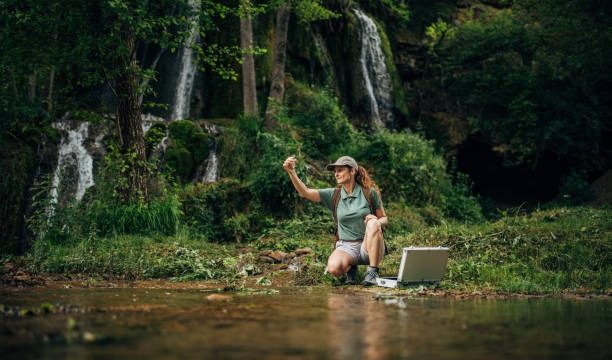
Another avenue to explore is nature itself. Outdoor play offers a rich tapestry of experiences that can deepen a child’s understanding of the world. A simple walk in the park can become an adventure filled with discoveries. As children observe changes in the seasons, they begin to grasp concepts like growth cycles and the interdependence of living organisms. Collecting leaves, observing insects, or watching birds can spark questions about life, habitats, and the environment. These experiences can foster a sense of wonder and respect for the natural world, laying the foundation for future stewardship.
In addition to nature, art can also be a powerful medium for exploring early science ideas. Encouraging children to create their own artwork using various materials allows them to experiment with texture, color, and form. This creative expression can lead to discussions about the properties of different materials and how they interact with one another. For example, mixing paint colors can inspire conversations about color theory and the science behind light and reflection.
The role of storytelling in play should not be overlooked either. Narratives help children make sense of their experiences and understand complex concepts. Whether through picture books, puppet shows, or imaginative role-play, stories can weave together scientific ideas in a way that is accessible and engaging. A tale about a brave little seed that grows into a mighty tree can introduce themes of growth, change, and resilience, all while capturing a child’s imagination.
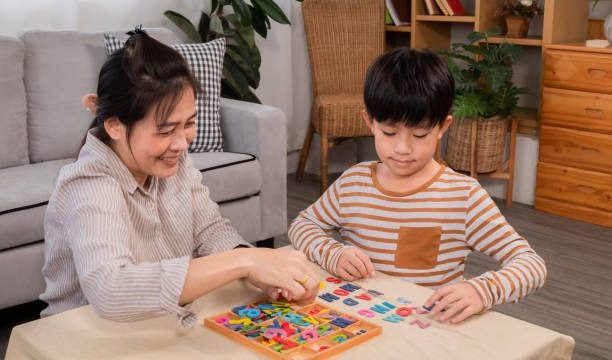
As caregivers, our involvement in a child’s play can enhance their learning experience. By participating in their imaginative worlds, we not only nurture their curiosity but also strengthen our bond with them. Asking open-ended questions, providing encouragement, and sharing in their excitement can create a supportive environment that fosters a love for learning. This partnership in exploration can be a rewarding experience for both children and adults, as we rediscover the joy of curiosity together.
In the end, the exploration of early science ideas through play is a beautiful journey that unfolds naturally. It is an invitation to embrace the world with wonder and curiosity, allowing children to connect with their environment in meaningful ways. By creating spaces for imaginative exploration, encouraging hands-on experiences, and engaging in thoughtful conversations, we can help cultivate the next generation of inquisitive minds.
As we witness the spark of discovery in our children’s eyes, we are reminded that learning does not have to be confined to classrooms or textbooks. Through play, we open the door to a world of possibilities, where science becomes a part of everyday life. In nurturing this playful spirit, we not only lay the foundation for their future but also enrich our own lives in the process.