Exploring Nature Through Playful Learning
In a world that often moves at a dizzying pace, reconnecting with nature can feel like a distant dream.
Yet, the beauty of the natural world offers us an abundance of opportunities for exploration, discovery, and growth.
One of the most delightful ways to engage with our surroundings is through playful learning.
This approach invites us to embrace curiosity and creativity, encouraging both children and adults to interact with nature in meaningful, joyful ways.
The essence of playful learning lies in its ability to blend education with enjoyment. When we step outside, we enter a realm brimming with possibilities. Whether it’s observing the intricate patterns of leaves, listening to the cheerful melodies of birds, or marveling at the dance of butterflies, each moment spent in nature can ignite our senses and spark our imagination. This gentle form of engagement not only fosters a deeper appreciation for the environment but also nurtures our well-being.
A small shift toward balance
Playful learning nurtures a sense of balance in our lives. In our quest for knowledge and achievement, we often overlook the importance of play. It is through play that we can explore without fear of judgment, allowing our innate curiosity to flourish. When we venture into nature, we can let go of our expectations and simply be present in the moment.
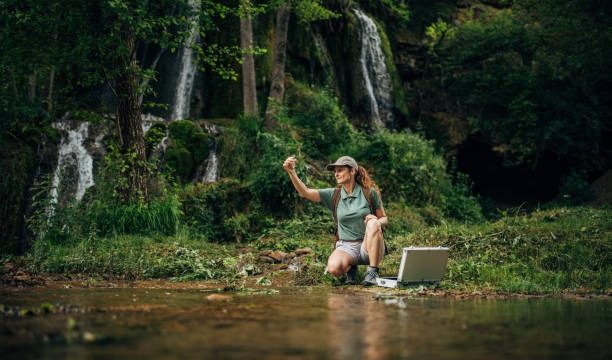
Imagine wandering through a sun-dappled forest, where the sunlight filters through the leaves, casting a warm glow on the path ahead. As you walk, you might notice the vibrant colors of wildflowers peeking through the underbrush. Perhaps you’ll stop to kneel down and examine a cluster of moss, marveling at its texture and the tiny creatures that call it home. This unstructured exploration invites us to ask questions, to wonder, and to learn organically.
Creating connections
Playful learning also strengthens our connection to the environment and to each other. When we engage in outdoor activities—whether it’s building a fort out of fallen branches, creating art with natural materials, or simply lying on the grass and watching the clouds drift by—we cultivate a sense of belonging. These shared experiences with family and friends can deepen our relationships, fostering a sense of community and shared purpose.
As adults, we can rediscover our inner child by embracing these playful moments. Consider organizing a nature scavenger hunt with friends or family. This simple activity encourages participants to observe their surroundings with fresh eyes, searching for unique leaves, interesting stones, or even animal tracks. Such shared adventures can create lasting memories while also igniting a passion for exploration.
The power of nature
Nature has a remarkable ability to inspire learning in ways that traditional classrooms often cannot. The unpredictability of the outdoors encourages adaptability and resilience. When children climb trees, splash in puddles, or build sandcastles, they engage in hands-on problem-solving that fosters critical thinking skills. Each experience becomes a lesson in itself, teaching them about physics, biology, and the interconnectedness of life.
For adults, engaging with nature can serve as a powerful reminder of our place in the world. It encourages us to slow down, breathe deeply, and appreciate the beauty that surrounds us. Whether it’s tending to a garden, hiking a local trail, or simply taking a moment to watch the sunset, these experiences can ground us and promote mindfulness.
Integrating playful learning into daily life
Incorporating playful learning into our daily lives doesn’t require grand plans or elaborate setups. It can be as simple as taking a walk in a nearby park, where we can collect interesting leaves or stones to create a nature collage at home. Perhaps we can start a nature journal, documenting our observations and reflections from our outdoor adventures.
Encouraging children to engage with nature can be as easy as providing them with the tools to explore. A magnifying glass, a sketchbook, or even a simple bucket can transform a backyard into a laboratory of discovery. Allowing them to lead their own explorations fosters independence and a sense of ownership over their learning journey.
Cultivating a sense of wonder
Ultimately, the goal of playful learning in nature is to cultivate a sense of wonder. It’s about reconnecting with the world around us and reigniting our sense of curiosity. Each time we step outside, we have the chance to witness the extraordinary in the ordinary—the delicate web spun by a spider, the intricate patterns formed by raindrops on a window, or the vibrant colors of a sunset.
As we nurture this sense of wonder, we also develop a greater appreciation for the environment. This connection can inspire us to become better stewards of the planet, fostering a desire to protect and preserve the natural world for future generations.
Creating spaces for exploration
To encourage playful learning, we can also seek out local parks, nature reserves, and community gardens that provide rich environments for exploration. These spaces often offer programs and activities designed to engage individuals of all ages in the wonders of nature. Connecting with local organizations that promote outdoor education can also provide additional resources and support.
Moreover, we can advocate for the inclusion of nature-based learning in schools and community programs. By emphasizing the importance of outdoor play and exploration in educational settings, we can help shape a generation that values curiosity, creativity, and connection to the natural world.
In closing, exploring nature through playful learning is a beautiful way to nurture our minds and spirits. It invites us to slow down, engage our senses, and embrace the joy of discovery. As we step outside and immerse ourselves in the wonders of the world, we not only enrich our own lives but also foster a deeper connection to the environment and to those we share it with. So, let’s take a moment to breathe in the fresh air, feel the earth beneath our feet, and allow ourselves to play. After all, nature is waiting to be explored.