Helping Children Feel Good About Their Goals
As parents, guardians, or mentors, we often find ourselves in the position of guiding children through their aspirations and dreams.
Whether it’s a desire to become an artist, a scientist, or simply to excel in school, nurturing their goals is a vital part of their growth.
However, the journey toward achieving these goals can sometimes be daunting for children, filled with uncertainty and self-doubt. Our role is to help them feel good about their ambitions, fostering a sense of confidence and joy in the process.
Understanding the Importance of Goals
Goals serve as a roadmap for children, helping them navigate their interests and ambitions. They provide direction, motivation, and a sense of purpose. When children set goals, they learn valuable life skills such as planning, perseverance, and resilience. However, the pressure to achieve can sometimes overshadow the joy of pursuing these goals. It’s essential to remind them that the journey is just as important, if not more so, than the destination.
Creating a Supportive Environment
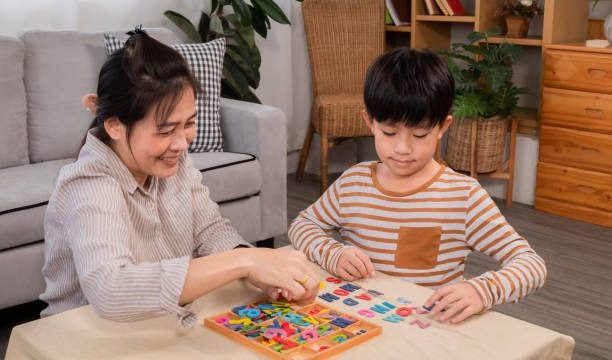
One of the most effective ways to help children feel good about their goals is by creating a supportive environment. This means fostering open communication where children feel safe to express their thoughts and feelings. Encourage them to share their dreams, no matter how big or small, and listen actively. Acknowledging their aspirations can help children feel validated and understood.
Additionally, it’s crucial to celebrate their efforts, not just the outcomes. This can be as simple as offering praise for their hard work or recognizing their determination. When children see that their efforts are appreciated, they are more likely to feel positive about their pursuits, regardless of the results.
Encouraging a Growth Mindset
Instilling a growth mindset in children can significantly impact how they perceive their goals. A growth mindset is the belief that abilities and intelligence can be developed through dedication and hard work. Encourage children to view challenges as opportunities for growth rather than obstacles. When they encounter setbacks, remind them that it’s a natural part of the learning process.
You might share stories of famous figures who faced challenges before achieving their dreams. These narratives can inspire children to embrace their struggles and understand that perseverance is key. Reinforcing the idea that mistakes are valuable learning experiences helps children feel more resilient and confident in their abilities.
Setting Realistic and Achievable Goals
While it’s wonderful to dream big, it’s equally important to help children set realistic and achievable goals. Break larger aspirations into smaller, manageable steps. This approach allows children to experience a series of successes along the way, which can boost their confidence and motivation. For instance, if a child wishes to excel in a sport, encourage them to focus on improving specific skills each week rather than solely winning games.
Discussing their goals regularly can help them stay on track and feel a sense of accomplishment as they progress. Celebrate each small victory, reinforcing the idea that every step forward is worth acknowledging.
Fostering Independence and Ownership
As children begin to work toward their goals, it’s essential to encourage independence and ownership of their journey. Allow them the space to make decisions and explore their interests. This autonomy fosters a sense of responsibility and pride in their achievements.
While guidance is important, stepping back and letting them take the reins can empower children. Encourage them to create a vision board or journal where they can track their goals and reflect on their progress. This personal connection to their aspirations can enhance their commitment and enthusiasm.
Modeling Positive Behavior
Children often learn by observing the adults in their lives. By modeling positive behavior toward your own goals, you can inspire them to adopt a similar mindset. Share your own aspirations and the steps you’re taking to achieve them. Highlight the challenges you face and how you cope with setbacks. This transparency can demystify the process of pursuing goals and show them that perseverance is a shared human experience.
Engaging in discussions about your goals can also create a sense of camaraderie. Ask for their input or advice on your projects, making them feel valued and involved. This collaborative approach can strengthen your bond and encourage them to be more open about their dreams.
Practicing Mindfulness and Self-Compassion
In a fast-paced world, encouraging mindfulness and self-compassion can help children navigate their goals with greater ease. Teach them to pause and reflect on their feelings and experiences. Mindfulness practices, such as deep breathing or simple meditation, can help them manage stress and anxiety related to their pursuits.
Additionally, remind them to practice self-compassion. It’s vital for children to understand that everyone faces challenges and that it’s okay to feel disappointed or frustrated at times. Encourage them to be kind to themselves during difficult moments, reinforcing the idea that it’s okay to ask for help and take breaks when needed.
Celebrating the Journey
Ultimately, the most important aspect of helping children feel good about their goals is to celebrate the journey itself. Encourage them to enjoy the process, find joy in learning, and appreciate the small milestones along the way. Whether it’s a new skill acquired, a lesson learned, or simply the experience of trying something new, every moment counts.
As they grow and evolve, their goals may shift and change. Emphasizing the importance of adaptability and resilience will equip them with the tools they need to navigate life’s uncertainties. By fostering an environment of support, encouragement, and understanding, we can help children not only pursue their goals but also enjoy the journey of self-discovery and growth that comes with them.
In the end, our aim is to nurture not just goal achievers, but happy, confident individuals who embrace their dreams with open hearts and minds.