Helping Kids Build a Sense of Achievement
In a world where the pace of life seems to quicken every day, fostering a sense of achievement in children is more important than ever.
It’s not merely about acing exams or winning competitions; rather, it’s about nurturing a mindset that embraces effort, resilience, and self-discovery.
As parents and caregivers, we have the unique opportunity to guide our children toward recognizing their own capabilities and celebrating their progress, no matter how small.
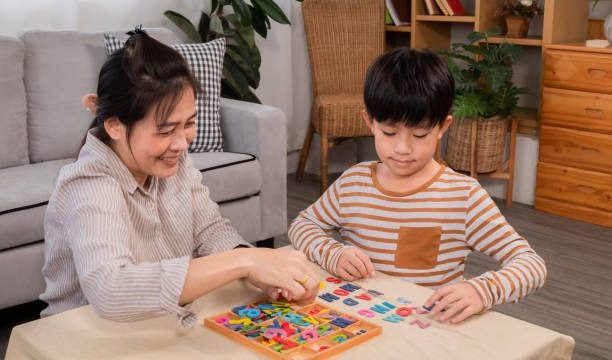
Every child is born with an innate curiosity and a desire to explore their surroundings. This natural inclination can be the foundation for building a sense of achievement. When children engage in new activities, whether it’s painting, playing a sport, or learning a musical instrument, they embark on a journey that can lead to personal growth. Encouraging them to try new things allows them to experience the joy of accomplishment, even if it’s simply mastering a new skill or completing a challenging puzzle.
Creating an environment that promotes exploration is essential. This doesn’t mean overwhelming them with a multitude of options; rather, it involves providing a supportive space where they feel safe to take risks. Allowing children to make choices about their activities fosters independence and confidence. When they decide what interests them, they are more likely to invest time and effort, which can lead to a greater sense of achievement.
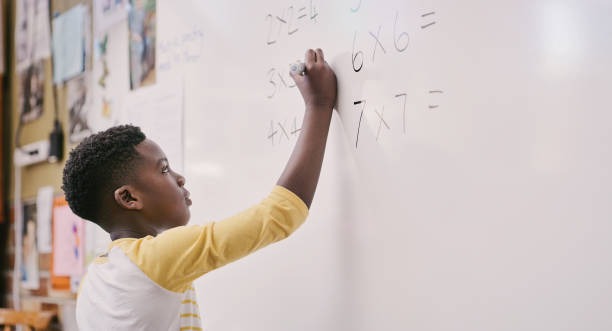
A gentle approach to setting goals can also be incredibly beneficial. Rather than imposing strict expectations, help your child set realistic, attainable goals. This could be as simple as finishing a book, learning to ride a bike, or completing a craft project. Celebrate the milestones along the way, not just the end result. This reinforces the idea that the journey is just as valuable as the destination. By acknowledging their efforts, you help them understand that persistence and dedication are key components of success.
As children navigate their pursuits, they will inevitably encounter challenges. Instead of shielding them from failure, it’s important to frame these moments as opportunities for growth. Encourage them to reflect on what went wrong and how they can adapt their approach. This not only builds resilience but also teaches them that setbacks are a natural part of life. When children learn to embrace challenges rather than shy away from them, they develop a stronger sense of self-efficacy.
Fostering a sense of achievement is also about connection. Sharing experiences with family members or friends can amplify feelings of accomplishment. Whether it’s collaborating on a project or simply cheering each other on during a game, these shared moments create lasting bonds and reinforce the idea that achievements are worth celebrating together. Encourage your child to express their feelings about their successes and challenges, creating an open dialogue that nurtures emotional intelligence.
In our digital age, it’s easy for children to compare themselves to others, often leading to feelings of inadequacy. Helping them understand that everyone has their unique strengths and weaknesses is crucial. Encourage them to focus on their personal growth rather than competing against peers. This shift in perspective can help them appreciate their own journey and cultivate a deeper sense of achievement that is rooted in self-acceptance.
Another gentle way to nurture a sense of achievement is through storytelling. Share tales of perseverance and triumph, whether from your own life or from books and movies. These narratives can inspire children and provide relatable examples of how hard work and determination can lead to success. Discussing characters who face obstacles and emerge stronger can spark meaningful conversations about resilience and the importance of pursuing passions.
As children grow, introducing them to community service or collaborative projects can further enhance their sense of achievement. Contributing to a cause greater than themselves fosters empathy and a sense of purpose. When children see the positive impact of their efforts on others, they gain a deeper understanding of their own abilities and the value of teamwork. This experience not only builds confidence but also instills a sense of responsibility and connection to the world around them.
Encouraging creativity is another vital aspect of helping children build a sense of achievement. Artistic expression allows them to explore their emotions and ideas, providing a unique outlet for self-discovery. Whether through drawing, writing, or performing, engaging in creative activities can boost their confidence and sense of accomplishment. Celebrate their artistic endeavors, regardless of the outcome. The act of creation itself is an achievement worth recognizing.
As parents and caregivers, it’s essential to model a healthy attitude toward achievement. Share your own experiences of growth and learning, including the mistakes you’ve made along the way. When children see you embracing challenges and celebrating your achievements, they are more likely to adopt a similar mindset. Show them that it’s okay to be proud of their accomplishments, no matter how big or small.
Ultimately, helping kids build a sense of achievement is about nurturing their confidence and resilience. It’s about creating an environment that encourages exploration, fosters independence, and celebrates effort. By guiding them through their journeys, we can instill a lifelong appreciation for learning and growth. As they develop a strong sense of self-worth, they will carry these lessons into adulthood, equipped with the tools they need to navigate life’s challenges with grace and determination.
In this fast-paced world, let’s remember that achievement isn’t just about accolades but about the joy of discovery and the satisfaction of personal growth. By instilling these values in our children, we empower them to embrace their unique paths and celebrate their individual journeys. In doing so, we help them build not just a sense of achievement, but a lifelong love for learning and self-improvement.