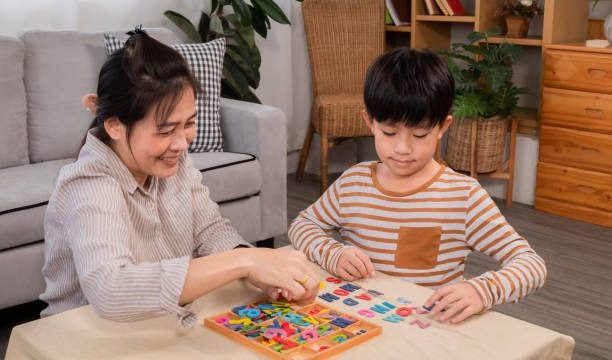
In a world that often feels fast-paced and demanding, the importance of play in the lives of young children cannot be overstated.
Play is not merely a pastime; it is a vital component of healthy development.
Through play, children explore their environment, develop social skills, and cultivate creativity. This article delves into the myriad ways we can help young minds thrive through the simple yet profound act of play.
The essence of childhood is rooted in exploration and imagination. When children engage in play, they are not just having fun; they are learning essential life skills. From role-playing to building forts, each activity fosters critical thinking and problem-solving abilities. These experiences are fundamental in shaping how children perceive the world around them. Encouraging play can make a significant difference in nurturing these young minds, allowing them to express themselves freely and with joy.
Creating an environment that promotes play is crucial. This environment should be rich with opportunities for children to engage in various activities. It could be as simple as providing a safe space in your home where they can play with toys, art supplies, or even household items. The key is to allow them the freedom to explore and create without the pressure of structured guidelines. Whether it’s a cozy corner filled with books or an outdoor area where they can run and jump, these spaces become sanctuaries for imagination.
A gentle reminder that not all play needs to be organized or directed. Unstructured play allows children to take the lead, giving them a sense of autonomy and control. When children choose their activities, they are more likely to invest themselves in the experience, leading to deeper learning. This type of play can manifest in many forms, from spontaneous games with friends to solitary moments of creativity. Each encounter with play fosters resilience, as children learn to navigate challenges and overcome obstacles in their own way.
Encouraging collaborative play is another wonderful avenue for growth. When children play together, they learn to communicate, negotiate, and empathize with one another. These social interactions are invaluable, helping them to build friendships and understand the importance of teamwork. Activities like group games or cooperative building projects can help children appreciate the value of working together toward a common goal. This camaraderie not only enhances their social skills but also nurtures a sense of belonging.
As caregivers, we can gently guide children toward enriching play experiences. Introducing them to new activities or materials can spark their interest and inspire creativity. For instance, art supplies can unlock a world of expression, while building blocks can ignite their engineering curiosity. It is essential to observe their interests and provide resources that align with their passions. This approach allows children to delve deeper into their favorite activities, fostering a sense of mastery and confidence.
The role of nature in play cannot be overlooked. Outdoor environments are naturally stimulating and offer endless opportunities for exploration. Nature invites children to engage their senses, from the feel of grass beneath their feet to the sounds of birds chirping overhead. Whether it’s climbing trees, collecting leaves, or simply running through open fields, these experiences connect children to the world in a profound way. Nature play encourages physical activity, which is integral for overall health and well-being.
Incorporating elements of storytelling into play can also enhance a child’s imaginative capacities. Reading books together or creating stories can transport children to different worlds, allowing them to explore new ideas and perspectives. Storytelling fosters language development and encourages children to articulate their thoughts and feelings. This connection between narrative and play can deepen their understanding of themselves and the world around them.
A small shift toward balance is essential in our modern lives. With the rise of technology, it’s easy for children to become engrossed in screens. While there is a place for digital play, it is vital to find a balance that prioritizes hands-on experiences. Encouraging screen-free time can provide children with the opportunity to engage more fully with their surroundings. This might mean setting aside specific times for outdoor play, crafts, or simply exploring the wonders of the backyard.
As we encourage play, it’s essential to remember that every child is unique. Each child has their own interests, strengths, and developmental pace. Embracing this individuality allows us to tailor play experiences that resonate with them. Rather than comparing children to one another, we can celebrate their distinct journeys. This approach fosters self-esteem and encourages children to embrace their passions without feeling pressured to conform.
In nurturing young minds through play, we are not only supporting their cognitive and emotional development but also creating lasting memories. The laughter, joy, and creativity that arise during playtime are foundational to a child’s sense of happiness. These moments become cherished memories that shape their childhood experience, fostering a love for learning that can last a lifetime.
As we reflect on the importance of play, let’s commit to prioritizing it in our daily lives. Whether through organized activities, spontaneous adventures, or quiet moments of creativity, let’s create a culture that values play as a vital part of childhood. By doing so, we help young minds thrive, equipping them with the skills, confidence, and joy they need to navigate the world ahead. In this journey, play becomes not only a means of expression but also a pathway to a fulfilling and enriched life.